
Trump's foreign licensing revenue jumps 71% to $59.5 million in 2025
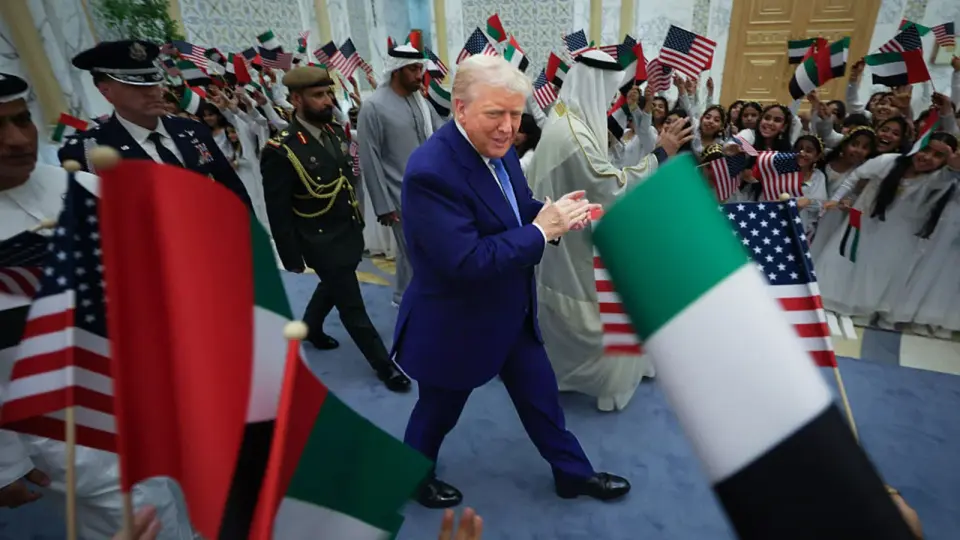
President Trump’s foreign real-estate licensing income surged 71% to $59.5 million in 2025, driven by deals with Gulf developers. Critics argue these payments create an appearance of conflict of interest, while the White House maintains the business operates separately from presidential duties.
Key points
- Foreign licensing revenue rose to $59.5 million in 2025, nearly 10 times the 2023 figure, after the Trump Organization reversed its first-term pledge against new foreign deals.
- More than 60% of the income came from Gulf countries, with Saudi-linked Dar Al Arkan and UAE-based Damac accounting for significant portions of the revenue.
- Ethics watchdogs argue that while no direct quid pro quo was proven, the overlap between private licensing fees and public policy decisions creates an unavoidable appearance of conflict.
- The Trump Organization states it complies with ethics laws and uses an outside adviser, while the White House spokesperson declined to address specific arrangements, citing the best interest of the American people.
Background
This development follows earlier reports in 2026 showing Trump’s total income exceeding $2.2 billion, largely driven by cryptocurrency ventures and other royalty deals. Previous disclosures also highlighted substantial outside income for Supreme Court justices, though those were unrelated to foreign government transactions. The current surge in foreign licensing income contrasts with the 2023 baseline, reflecting a strategic shift in the Trump Organization’s business model during the second term.
Why it matters
The rise in foreign licensing income raises constitutional questions under the Foreign Emoluments Clause, which restricts federal officeholders from accepting benefits from foreign states. Even without proof of direct influence, the visibility of these financial ties complicates the administration’s diplomatic and trade negotiations, potentially undermining public trust in the separation of public power and private wealth.
What to watch
Legal experts may scrutinize whether payments routed through private developers in countries like Qatar and Oman violate the Foreign Emoluments Clause. The outcome of ongoing data center projects in Ohio and Vietnam will also be watched to determine if federal permitting decisions align with the timing of Trump’s private financial gains.
Want the full story? Read the original reporting
Read on CNBC