
UK MPs Push for Synthetic Alternatives to Royal Guard Bearskin Hats
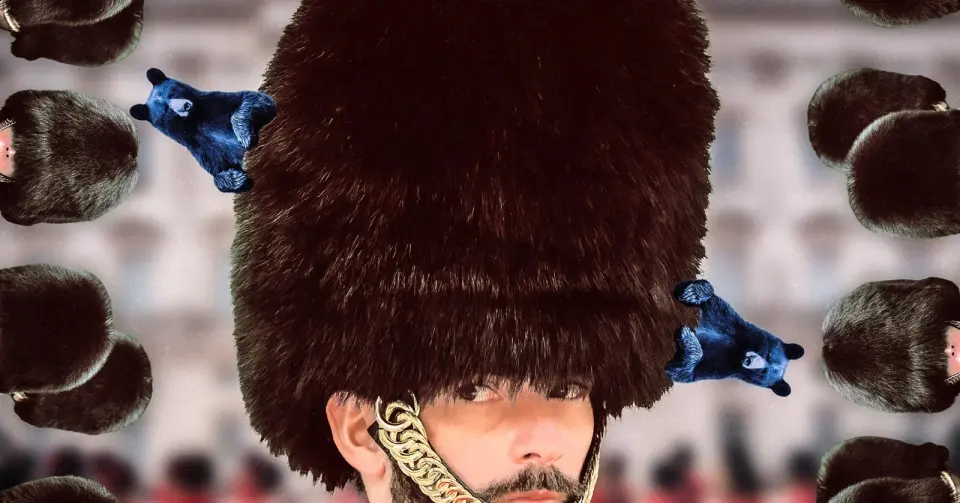
Eighteen UK MPs have urged the government to replace traditional bearskin hats worn by royal guards with synthetic alternatives, citing ethical concerns about bear hunting in Canada. The hats, known as bearskins, have been part of British military uniform since the 18th century, but critics argue the practice is cruel and outdated. While faux fur is visually similar, officials have struggled to find a material that meets the specific thermal and durability requirements of the original. The debate has resurfaced after a 2006 motion failed to yield results, highlighting tensions between historical tradition and modern animal welfare standards.
Key points
- Eighteen MPs sent a letter to the UK government urging the adoption of synthetic alternatives to bearskin hats, arguing that the current practice involves the cruel hunting of bears in Canada using crossbows.
- The bearskin hats, worn by the King's Guard at Buckingham Palace and St. James's Palace, have a history dating back to the 17th and 18th centuries, originally chosen to make soldiers appear more intimidating in battle.
- Critics note that bears are often lured with bait and shot multiple times, leading to slow and painful deaths, a practice illegal in the UK but used for ceremonial headgear.
- Officials, including the Minister of State for Defence Readiness and Industry, have expressed support for replacing the hats but cite difficulties in finding synthetic materials that maintain the same heat retention and durability as real fur.
- The debate is not new; in 2006, 180 lawmakers signed a motion for a cruelty-free alternative, and animal welfare activists staged protests, but no change was implemented due to technical challenges with faux fur performance in rainy weather.
Background
This issue has been a recurring point of contention in UK politics for nearly two decades. Previous attempts to replace the hats, such as the 2006 motion signed by 180 lawmakers, failed due to concerns that synthetic materials were less durable and prone to matting in rain. The current push by MPs reflects a broader shift in public sentiment toward animal welfare and away from traditional practices perceived as cruel. While the hats are a symbol of British military heritage, the debate highlights the tension between preserving historical traditions and adhering to modern ethical standards regarding animal treatment.
Why it matters
The debate over bearskin hats serves as a microcosm for larger discussions about the balance between historical tradition and contemporary ethical values in public institutions. It highlights the challenges of implementing practical changes to long-standing symbols, particularly when technical constraints, such as material durability and performance, complicate the transition. The issue also underscores the growing influence of animal welfare advocacy in political discourse, pushing governments to reconsider practices that may be seen as outdated or cruel, even if they are deeply rooted in history. Ultimately, the outcome of this debate could set a precedent for how other traditional practices involving animal products are evaluated and potentially reformed in the future.
What to watch
The UK government is expected to review the MPs' letter and consider the feasibility of synthetic alternatives that meet the required standards for durability and performance. If a suitable material is found, the transition could begin, potentially marking the end of an era for the bearskin hat. However, if technical challenges persist, the debate may continue, with further pressure from animal welfare groups and lawmakers to find a compromise. The outcome will likely depend on whether a synthetic material can be developed that is both visually and functionally equivalent to the original bearskin, while also addressing the ethical concerns raised by the MPs.
Want the full story? Read the original reporting
Read on The Ringer