
UK PM Burnham offers slavery apology but rejects reparations ahead of Commonwealth summit
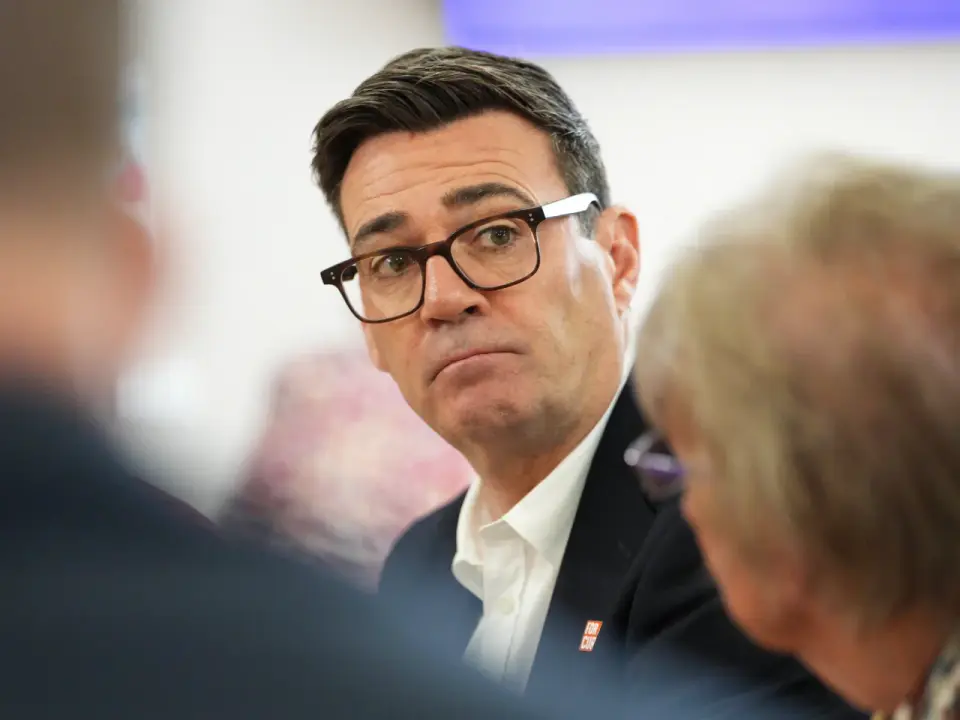
UK Prime Minister Andy Burnham has signaled openness to a formal state apology for the transatlantic slave trade but firmly rejected financial reparations. This policy shift precedes the Commonwealth Heads of Government Meeting in Antigua and Barbuda, where Caribbean leaders are pressing for compensation. While Burnham proposes a 'structured dialogue' and debt restructuring, critics argue the apology is incomplete without monetary restitution.
Key points
- Burnham expressed sorrow for the slave trade in a Guardian op-ed but ruled out reparations, stating modern British citizens cannot be held liable for historical wrongs.
- The UK government will propose debt restructuring for the poorest nations, with former Chancellor Gordon Brown leading the initiative, as over 40% of vulnerable countries spend more on interest than health.
- King Charles III is set to address the slave trade with 'unflinching honesty' at the Commonwealth summit in Antigua, though the Palace maintains policy decisions rest with the government, not the monarchy.
- CARICOM and leaders like Barbados PM Mia Mottley demand monetary compensation and institutional accountability, arguing that apologies without reparations are insufficient.
- Opposition leader Kemi Badenoch criticized the move as 'navel-gazing,' arguing British taxpayers should not fund global welfare for historical events.
Background
This development follows recent UK royal visits to the Caribbean, including King Charles’s tour of the Bahamas and Guyana, where he acknowledged past suffering but avoided formal apologies. Previous archive coverage noted that while the UK has never formally apologized for slavery, the current government is shifting toward a 'structured dialogue' approach. This contrasts with earlier stances, such as Tony Blair’s 2006 expression of 'deep sorrow,' which also stopped short of a formal apology or reparations.
How outlets are covering it
Al Jazeera and The Guardian highlight Burnham’s personal apology and the new debt relief initiative, framing it as a historic turn in London’s stance. However, they note that Caribbean nations, led by Barbados and supported by CARICOM, view the move as insufficient without financial reparations. The BBC emphasizes the diplomatic tension between the monarchy and the government, noting King Charles’s speech will remain unchanged despite Burnham’s comments, as the Palace distances itself from policy decisions. The Telegraph was inaccessible due to a security block, so its perspective is unavailable. Opposition figures like Kemi Badenoch reject the apology entirely, arguing it is fiscally irresponsible, while advocacy groups like The Repair Campaign call for a full formal apology without delay.
Why it matters
This marks a potential shift in UK foreign policy regarding colonial legacy, influencing trade and diplomatic relations with 50-plus Commonwealth nations. The debate over reparations versus dialogue reflects broader global tensions over historical accountability and economic justice, particularly as debt-servicing costs for developing nations reach 25-year highs.
What to watch
King Charles is expected to deliver his speech at the Commonwealth Heads of Government Meeting in Antigua on Tuesday. The UK government will likely initiate the proposed 'structured dialogue' with affected nations, while Caribbean leaders may continue to press for monetary compensation and institutional accountability at the summit.
- Burnham ‘open’ to UK slavery apology, but not reparations: Why now? Al Jazeera
- King to address slavery in Antigua as PM says he is open to possible UK apology BBC
- Burnham open to slavery payouts The Telegraph
- British people can’t be made to pay for the wrongs of slavery – but we must confront our complicated history The Guardian
- U.K. PM Andy Burnham open to apologizing for slave trade but rules out financial reparations NBC News
Want the full story? Read the original reporting
Read on Al Jazeera