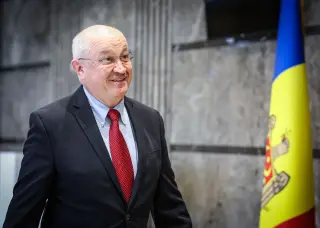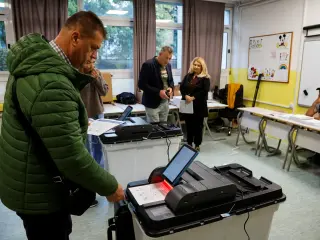
Moldova’s Prime Minister Alexandru Munteanu resigned after less than a year in office, citing an inability to govern according to his principles amid disagreements with President Maia Sandu. Sandu thanked him for his service, emphasized Moldova’s EU accession path, and said a quick replacement is needed to maintain reform momentum.
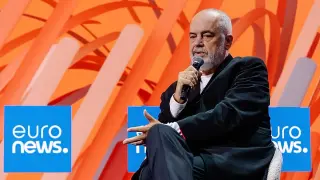
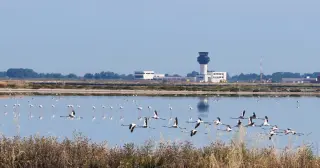
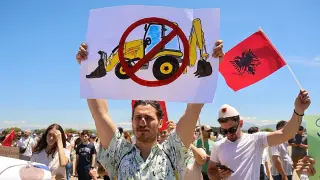
Protests across Albania—dubbed the 'flamingo revolution'—oppose a Kushner-linked luxury resort planned near the Vjosa-Narta protected area, transforming environmental anger into a broad challenge to the political establishment and clouding the country’s EU accession hopes.
Brussels warned Albania to act quickly to avoid jeopardizing its EU bid over a €1.4B Affinity Partners–backed resort on the protected Adriatic coast (Narta Lagoon/Sazan), citing potential environmental rule breaches (Chapter 27); protests persist, SPAK investigates changes to protective laws, and Prime Minister Rama defends the plan amid accusations of a hybrid-war tactic by opponents.
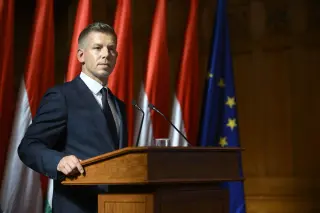
Budapest and Kyiv reached a comprehensive agreement on rights for the 100,000 ethnic Hungarians in Ukraine’s Zakarpattia region, conditioning Hungary’s support for opening Ukraine’s first EU negotiating cluster on Ukraine codifying those rights into Ukrainian law. While €16.4 billion in unfrozen EU funds are released, the veto is not lifted but relocated to the end of the accession process, potentially requiring a binding national referendum after all 33 chapters are closed, roughly 10–15 years from now.
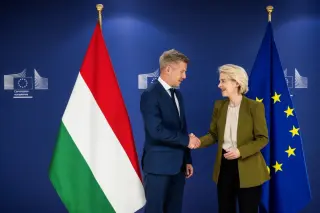
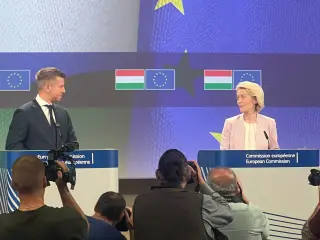
The EU will release 16.4 billion euros of frozen funds to Hungary (10 billion now, 6.4 billion later) after talks in Brussels between PM Peter Magyar and EC President Ursula von der Leyen. Officials say the unfreezing is not linked to Ukraine’s accession, which is expected to proceed around mid-June if Hungary lifts its veto. Negotiations over Hungary’s minority rights in Ukraine continue (nine of eleven demands reportedly met), with Zelensky’s meeting on hold until a settlement is reached, and the process framed as merit-based by the EU.
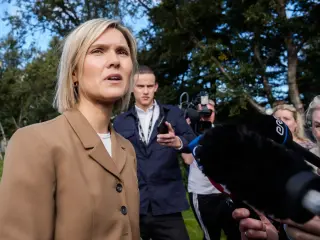
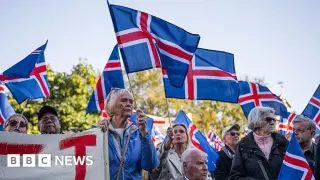
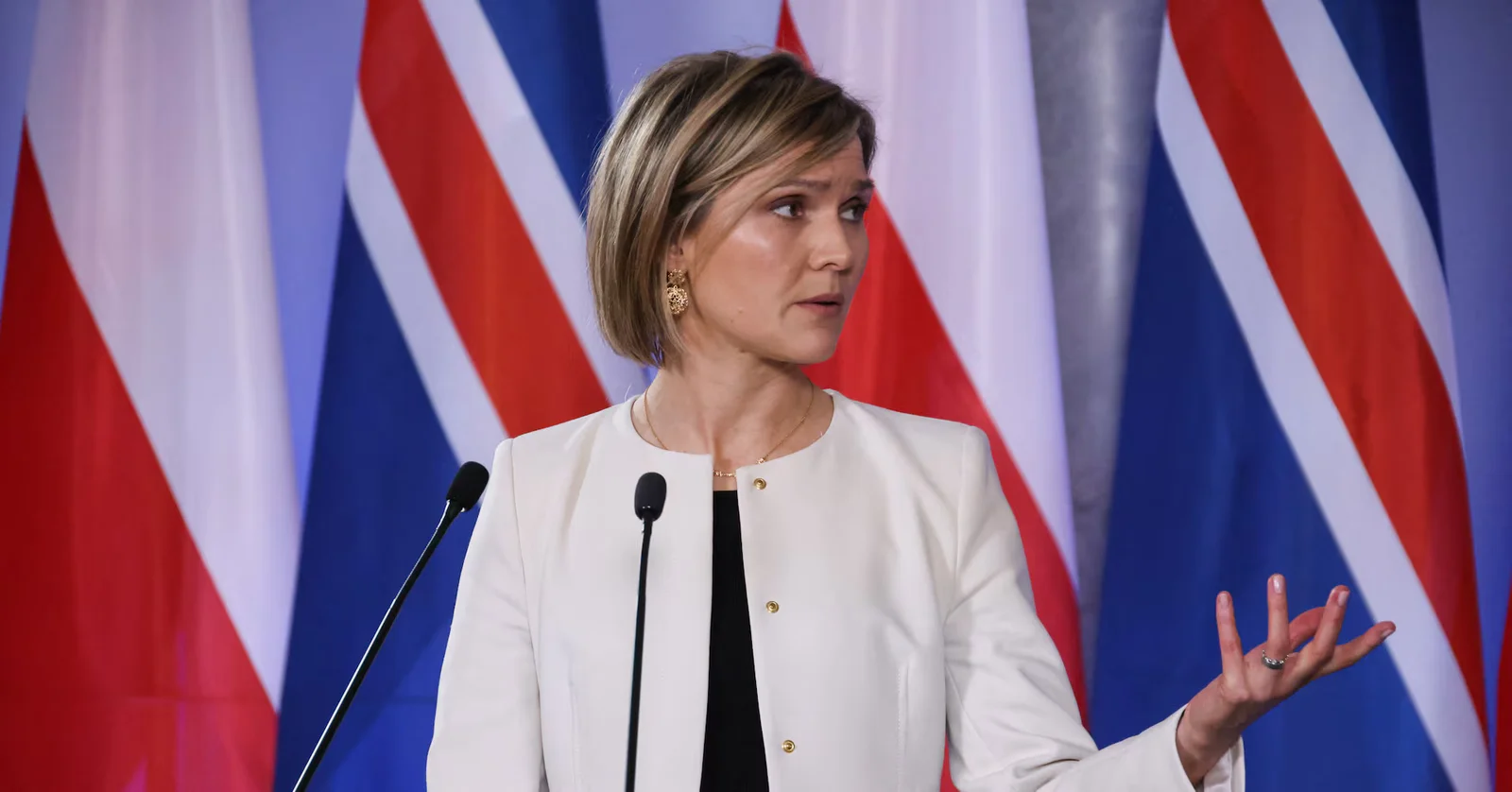
With an August 29 vote on restarting EU accession talks looming, Iceland’s foreign minister warns of a Brexit‑like moment driven by misinformation, foreign interference and AI-fuelled manipulation, risking influence from Russia and other actors. The government argues EU membership could bolster security and integration, while opponents fear fishing, sovereignty and disrupted ties with the US. Polls show a tight race; a yes would restart talks and potentially lead to a second referendum if a deal is reached. The presidency and experts stress the need to counter AI-driven misinformation, and Iceland maintains strong US ties alongside broader alliances.
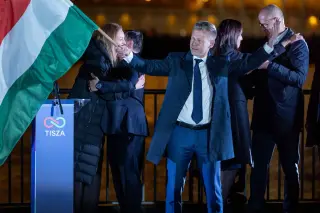
A post-election ECFR poll finds Hungarian voters—especially supporters of Peter Magyar’s Tisza party—largely oppose providing military aid (57% oppose) and financially aid to Ukraine (net opposition of 14%), with national support at 12% for military aid and 24% for financial aid. On Kyiv’s EU bid, 41% of Tisza voters back unblocking Ukraine’s accession talks (43% oppose); nationally 27% support resuming formal talks, while 54% oppose. Viktor Orban’s obstruction of EU talks could ease under Magyar, who says he won’t fast-track Ukraine’s accession and will hold a referendum after the full process, though he’s seen as more constructive toward Kyiv. The poll also shows 93% of Tisza voters expect Ukraine-Hungary relations to improve under Magyar. Energy policy remains divided: 38% want to stop Russian energy imports, 39% oppose, with Magyar pledging to end dependence on Russian oil and gas by 2035 and to review the Paks II project.
Iceland will hold a referendum in the coming months on restarting EU accession talks, reviving interest in joining the bloc after Reykjavik paused negotiations in 2013. A rise in living costs and the war in Ukraine helped rekindle interest, and the government says reopening talks could open opportunities and deepen European integration, even though Iceland already participates in the EU’s single market, Schengen, and the European Free Trade Association alongside NATO membership.
At Munich, Zelenskyy branded Putin a 'slave to war,' warned Russia has damaged Ukraine’s power grid, and pressed for US-brokered talks next week with security guarantees for at least 20 years and a clear EU membership timeline, as allies discuss Europe’s defense stance; drone strikes caused civilian casualties in Ukraine and Russia.
German Chancellor Friedrich Merz said Ukraine cannot join the EU by 2027, stressing that accession is a lengthy process that requires meeting the Copenhagen criteria. Kyiv has pressed for fast-tracking, but progress is blocked by concerns such as Hungary's Viktor Orban, and the EU is weighing a staged approach that would gradually bring Ukraine closer rather than granting immediate membership.
Tens of thousands of Bulgarians protested in Sofia and other cities against the government's 2026 budget, which includes tax hikes and increased social security contributions, amid widespread anger over corruption and governance issues. The protests, the largest in years, saw some clashes with police, and calls for the government's resignation as Bulgaria prepares to adopt the euro in 2026.
Ukrainian President Zelenskyy and Moldova's Maia Sandu are urging the EU to accelerate their countries' accession processes, with Zelenskyy aiming for Ukraine to join before 2030. They emphasized the importance of EU support amid ongoing challenges, including Hungary's veto, and highlighted their countries' progress and readiness for membership, while also addressing issues like corruption and geopolitical pressures.
Ukrainian President Zelenskyy criticized Hungarian Prime Minister Orbán for blocking Ukraine's EU membership bid, accusing him of supporting Putin and undermining European unity, while urging Orbán to respect EU rules and support Ukraine during the ongoing war.
The European Commission praised Ukraine's progress towards EU membership but warned of negative trends, especially in anti-corruption efforts, urging Kyiv to accelerate reforms to meet the 2028 target, amid ongoing political challenges and regional tensions.
The European Commission praises Ukraine's commitment to EU membership despite challenges like corruption and political resistance, particularly from Hungary, and emphasizes the need for accelerated reforms to meet accession goals by 2028 or 2030, while warning of setbacks in anti-corruption efforts and judicial independence.