
US Redeploys MQ-9 Drones from Africa to South America for Anti-Narcotics Ops
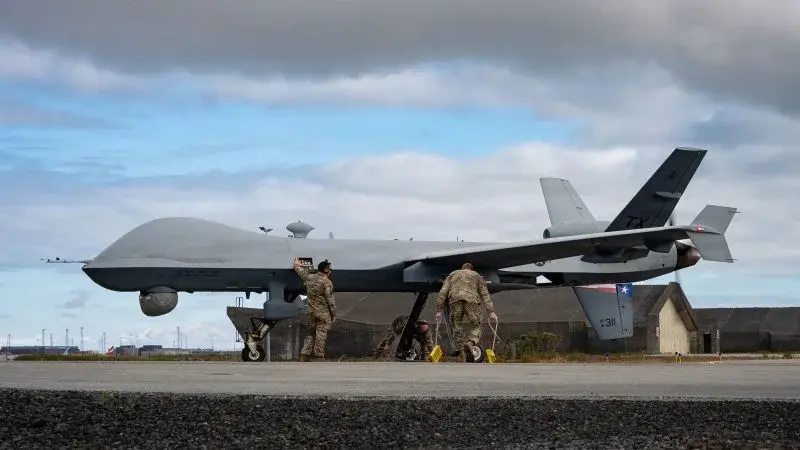
The US military is shifting MQ-9 Reaper drones from Africa to South America to support anticipated counternarcotics and counterterrorism operations. This move follows a classified legal opinion authorizing lethal force against cartels and aligns with Defense Secretary Pete Hegseth’s priority to secure the Western Hemisphere. While the Pentagon declined to comment, sources indicate the transfer aims to bolster joint operations with nations like Ecuador and Colombia, despite concerns that reducing assets in Africa could hinder the fight against ISIS and al-Shabaab.
Key points
- Six sources told CNN that the US is moving most of its MQ-9 Reaper drones from US Africa Command to US Southern Command.
- The redeployment is linked to anticipated counternarcotics and counterterrorism operations in South America, including potential actions in Ecuador.
- Ecuador began joint military operations with the US earlier this year against designated terrorist organizations.
- Colombian President Abelardo de la Espriella agreed to lease three MQ-9A Reapers for monitoring drug routes and precision strikes.
- The US Embassy in Panama announced the delivery of over $6 million in long-range drone systems for border monitoring.
- A classified Justice Department opinion from last year justified lethal strikes against cartels deemed an imminent threat to Americans.
Background
This shift follows earlier US military deployments to the Caribbean, including F-35 jets and AC-130 gunships, as part of a campaign targeting alleged drug boats. The current move reflects a broader strategic pivot toward the Western Hemisphere, as outlined in the January National Defense Strategy. Previous coverage noted that while the US has conducted strikes on drug boats, experts question the long-term impact on drug trafficking, with some describing the campaign as performative. The legal framework for these operations was established by a classified opinion that allowed the president to designate drug traffickers as enemy combatants.
How outlets are covering it
CNN and Mezha both report on the redeployment of MQ-9 drones from Africa to South America, citing six sources familiar with the planning. Both outlets emphasize the connection to counternarcotics operations and the involvement of partner nations like Ecuador and Colombia. However, CNN provides more detail on the classified legal opinion and the specific tactics used in the Caribbean, such as the transfer of crews to partner countries. Mezha focuses more on the broader geopolitical implications, including the potential impact on US operations in Africa and the Middle East. Both sources agree that the Pentagon declined to comment on the redeployment, but CNN highlights the concerns about the effectiveness of the strike campaign, while Mezha notes the competing priorities in the Indo-Pacific and Europe.
Why it matters
The redeployment of MQ-9 drones signals a significant shift in US military priorities, emphasizing the Western Hemisphere over other regions. This move could impact the fight against terrorism in Africa, where groups like ISIS and al-Shabaab continue to grow. The use of lethal force against cartels, justified by a classified legal opinion, raises questions about the legal and ethical implications of such operations. Additionally, the joint operations with South American nations could reshape regional alliances and security dynamics, potentially affecting drug trafficking routes and international relations.
What to watch
The US is expected to continue joint operations with South American nations, including Ecuador and Colombia, against drug trafficking and terrorist groups. The Pentagon may face pressure to balance its resources between the Western Hemisphere, Africa, and the Middle East. The effectiveness of the counternarcotics campaign will be evaluated based on its impact on drug trafficking and the legal and ethical implications of the use of lethal force. The US may also explore new tactics, such as the transfer of crews to partner countries, to address the challenges of operating in territorial waters.
Want the full story? Read the original reporting
Read on cnn.com