
China’s Loneliness Industry Expands as Paid Companions Fill Care Gaps
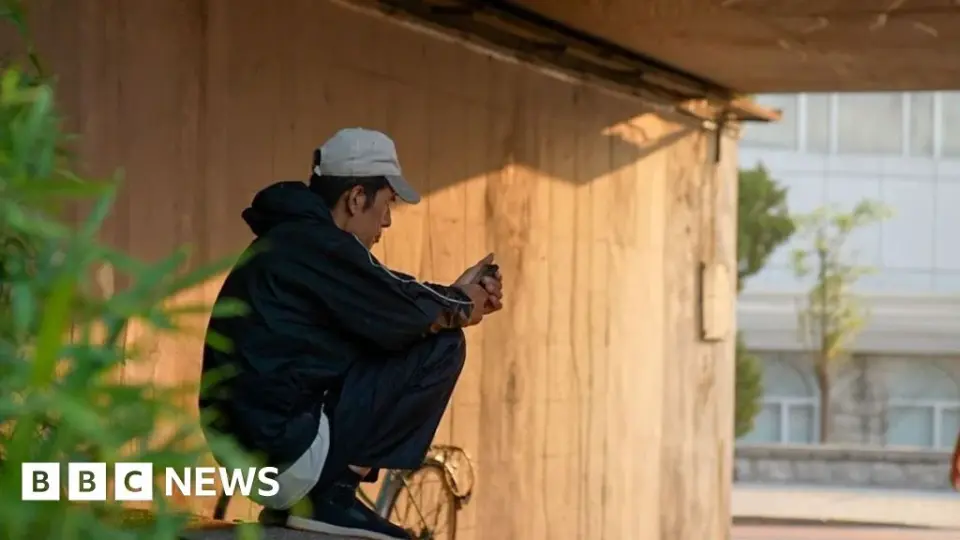
A growing 'loneliness industry' in China is providing paid companionship to address isolation among the elderly and young urban migrants. Services range from daily home visits by 'temporary children' to medical escorts and hiking guides, offering emotional support and practical help at a fraction of traditional care costs. While the sector is valued at $7.4 billion, it highlights deepening social fragmentation caused by rapid urbanization and aging populations.
Key points
- Wang Yingwei, a former mobile phone salesman, runs a small business delivering meals and home repairs to elderly clients in Beijing, charging less than half the cost of a professional caregiver.
- The service model, described as 'community children,' involves companions treating clients like family, addressing both physical needs like fixing showers and emotional needs like conversation.
- Young workers like Liu Yanyan offer 'medical escort' services, accompanying clients to hospitals to navigate bureaucratic systems and alleviate anxiety for those without local social networks.
- Other services include hiking companionship on Mount Huangshan, where guides provide emotional encouragement to clients feeling isolated or defeated by work and life pressures.
- Associate Professor Teresa Kuan notes that paid relationships offer predictable support without the unpredictability of traditional friendships, appealing to those seeking stable emotional connection.
Background
This development follows earlier reports on China's 'loneliness economy,' which surpassed $1 trillion in 2025, driven by single, childless consumers and an aging population. Previous coverage highlighted the rise of 'outsourced adult children' and AI companionship as responses to demographic shifts, though concerns about regulatory gaps and mental health impacts remain.
Why it matters
The expansion of paid companionship services reflects a structural shift in Chinese society where traditional family support networks are eroding due to urbanization and low fertility rates. This market growth indicates a significant demand for human connection as a commodity, potentially reshaping elder care and social interaction models across the country.
What to watch
Operators expect the sector to grow as demand increases, with some businesses planning to expand their teams. However, the lack of solid data and regulatory frameworks may lead to further debates on the safety and sustainability of these informal care arrangements.
Want the full story? Read the original reporting
Read on BBC