
Ten Residents Share 15-Acre Georgian Manor in Wales for Price of Standard Home
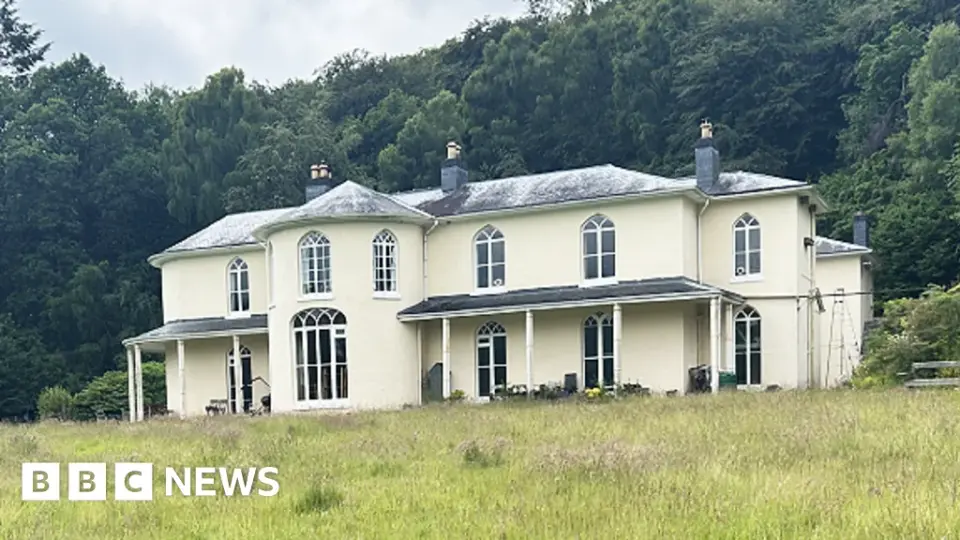
A group of ten individuals lives cooperatively in Dol-llys Hall, a Grade II listed Georgian mansion in Powys, Wales, sharing 15 acres of grounds for the cost of a standard two-bedroom house. The community, established in 1991, operates on a co-housing model where residents maintain private flats but share communal facilities, decision-making, and maintenance duties. Members pay a monthly service charge and contribute to labor, including gardening and wood processing, while utilizing renewable energy sources like solar panels and a wood-fired boiler. The arrangement offers affordability and sustainability, with shares costing £230,000, comparable to local market rates. Recent demographic shifts include the departure of long-time residents and the arrival of families with children, reflecting a broader trend toward intentional communities that balance privacy with collective responsibility.
Key points
- Dol-llys Hall in Llanidloes, Powys, houses ten residents in a Grade II listed Georgian mansion built in the early 1800s.
- The community shares 15 acres of grounds, including woodland, a lake, and allotments, for the price of a standard two-bedroom house.
- Residents maintain individual flats with private front doors but share communal areas, heating, and decision-making through consensus.
- Membership involves a £230,000 share purchase and monthly service charges, with obligations including one work day and half-days for gardening and wood processing per month.
- The community uses solar panels and a wood-fired boiler for energy, emphasizing sustainability and resilience.
- Recent changes include two older residents leaving and two families with three children moving in, shifting the demographic toward younger households.
Background
This story highlights a specific instance of intentional community living in the UK, contrasting with broader trends in housing affordability and sustainability. While previous coverage in our archive focused on biological longevity and clonal organisms, such as the Pando aspen clone in Utah, the Dol-llys Hall model represents a human-centric approach to shared living and resource management. The co-housing model described here differs from communes by preserving individual privacy while fostering collective responsibility, a concept gaining traction in discussions about sustainable urban and rural living. The archive does not contain prior coverage of this specific community, but the theme of shared resources and sustainable living aligns with ongoing interest in alternative housing models.
Why it matters
The Dol-llys Hall model offers a practical example of how cooperative living can address housing affordability and sustainability challenges. By sharing resources and labor, residents reduce individual costs and environmental impact, providing a template for others seeking alternatives to traditional housing. The community’s stability since 1991 and its recent demographic shifts suggest that such models can adapt to changing needs, including family housing. This approach may influence future discussions on housing policy and community development, particularly in rural areas where land and resources are abundant but individual ownership is costly.
What to watch
The community will continue to manage its shared resources and decision-making processes, with new residents integrating into the existing structure. The arrival of families with children may influence future projects and community dynamics, potentially expanding the focus on family-friendly amenities and education. The group may also explore further sustainability initiatives, such as expanding renewable energy use or enhancing food production, to maintain its resilience and appeal to new members. Monitoring the long-term stability and adaptability of the community will be key to understanding its viability as a model for cooperative living.
Want the full story? Read the original reporting
Read on BBC