
Russia Issues International Warrant for Telegram Founder Pavel Durov Over Terrorism Charges
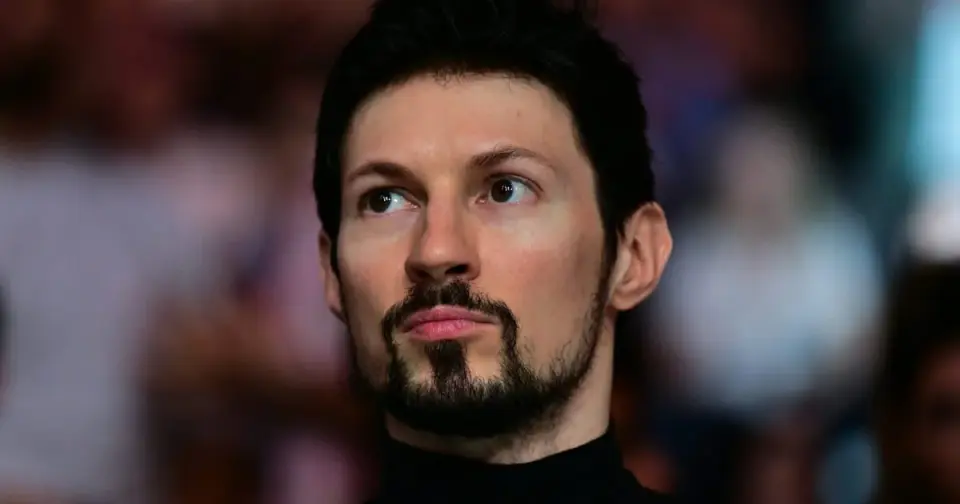
Russian security services have charged Telegram co-founder Pavel Durov with facilitating terrorism and placed him on an international wanted list. The Federal Security Service (FSB) alleges that Telegram’s platform allowed Ukrainian intelligence agencies to recruit spies and coordinate sabotage through specific chatbots and channels. Durov, who resides in Dubai and holds French and Emirati citizenship, has denied the accusations, framing the move as an attempt to force users toward state-controlled surveillance apps. The charges carry a maximum prison sentence of 15 years, though some reports suggest life imprisonment is possible. This development follows months of Russian restrictions on Telegram, including throttling speeds and blocking features, as Moscow promotes its state-backed messaging alternative, MAX.
Key points
- The FSB charged Durov under Article 205.1 of the Russian Criminal Code for facilitating terrorist activity, placing him on an international wanted list.
- Authorities claim a dating chatbot named 'Daivinchik/Leo' was used by Ukrainian operatives to recruit Russians for sabotage through deception.
- The FSB accused Telegram of failing to remove channels and bots allegedly used by extremist groups to coordinate attacks and cyber fraud in Russia.
- Durov, who has a net worth estimated at up to $15 billion, has denied wrongdoing and previously accused Moscow of fabricating pretexts to ban the platform.
- Telegram, which has approximately 90 million users in Russia, has faced increasing restrictions, including slowed download speeds and blocked voice calls, as Russia promotes its state app, MAX.
Background
This escalation follows a February 2026 investigation into Durov, during which he accused the Kremlin of suppressing access to Telegram to force citizens onto state-controlled platforms. Durov’s history with Russian authorities dates back to 2014, when he left Russia after refusing to remove opposition pages from VKontakte. He also faces ongoing legal scrutiny in France, where he was arrested in August 2024 on charges related to alleged criminal activity on Telegram, though travel restrictions were eased in 2025. The current charges align with Moscow’s broader strategy to tighten internet control and reduce reliance on foreign messaging platforms since the 2022 invasion of Ukraine.
How outlets are covering it
While all three sources confirm the FSB’s charges and the international warrant, they differ in emphasis and detail. POLITICO highlights the specific legal charge (Article 205.1) and Durov’s prior criticism of Russian censorship. The Moscow Times notes that Telegram’s official account responded to the warrant with a photo of Durov giving the middle finger and emphasizes the platform’s 90 million Russian users. The Daily Beast focuses on Durov’s personal details, including his age (41) and net worth ($15 billion), and mentions the potential for life imprisonment, whereas POLITICO and The Moscow Times cite a maximum 15-year sentence. The Daily Beast also frames the charges within the context of Russia’s push to replace foreign apps with MAX, a state-backed service with weaker privacy standards.
Why it matters
The case underscores the intensifying geopolitical conflict over digital sovereignty and censorship. By charging Durov, Russia aims to delegitimize Telegram and accelerate the adoption of its state-controlled messaging app, MAX. The international warrant raises questions about extradition and the global reach of Russian legal authority. For tech platforms, the case highlights the risks of minimal moderation policies in authoritarian contexts, where failure to remove content can lead to severe legal consequences. Durov’s dual status as a Kremlin critic and a target of both Russian and French investigations illustrates the complex legal landscape facing tech leaders in politically charged environments.
What to watch
It is unclear whether other countries will honor the international warrant, given Durov’s residence in Dubai and his French and Emirati citizenship. The FSB may continue to restrict Telegram’s functionality in Russia, potentially leading to a full ban. Durov’s legal team may challenge the charges in international courts or seek diplomatic protection. The case could influence global debates on platform liability and the balance between free speech and national security. If convicted, Durov faces up to 15 years in prison, though some reports suggest life imprisonment is possible. The outcome may set a precedent for how other tech leaders are treated in similar geopolitical disputes.
- Russia charges Telegram founder Durov with facilitating terrorism politico.eu
- Russia Charges Telegram’s Founder Pavel Durov With Facilitating Terrorism The New York Times
- Russia charges Telegram founder Durov with aiding terrorism, he gives Moscow the finger Reuters
- FSB Issues Arrest Warrant for Pavel Durov for Aiding Terrorism The Moscow Times
- Russia Charges Billionaire Telegram CEO With Aiding Terrorism thedailybeast.com
Want the full story? Read the original reporting
Read on politico.eu