
Second UK Air Traffic Glitch in Two Weeks Sparks Renewed Calls for NATS Leadership to Resign
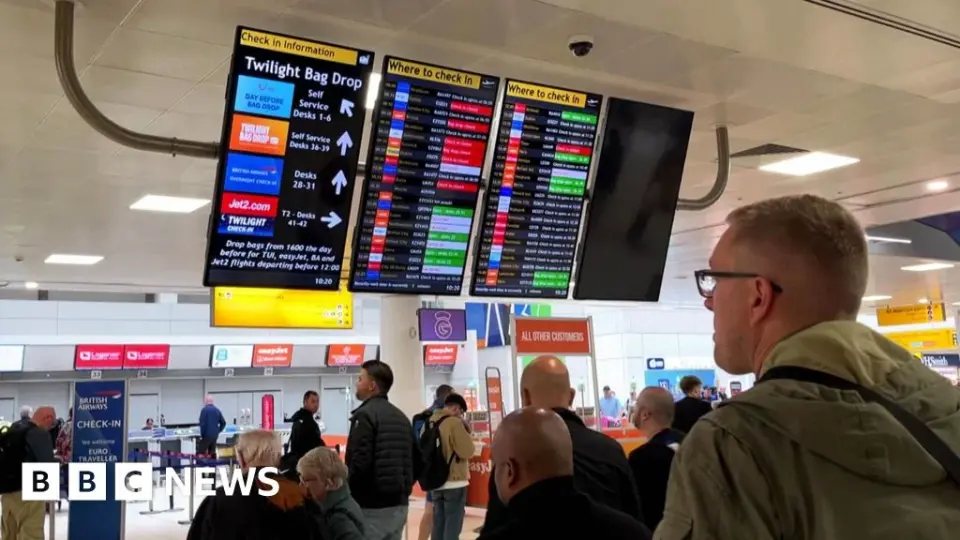
A connectivity failure at the Prestwick air traffic control centre on September 21 caused the cancellation of at least 200 flights across the UK, marking the second major disruption in two weeks. Airlines and the government are demanding accountability, with Ryanair and Wizz Air calling for the resignation of NATS chief Martin Rolfe. The Civil Aviation Authority has ruled that passengers are unlikely to receive compensation due to 'extraordinary circumstances.'
Key points
- A technical connectivity issue at the NATS Prestwick centre in Ayrshire disrupted airspace for Scotland, Northern Ireland, and northern England on September 21.
- The glitch resulted in the cancellation of at least 200 flights, with easyJet and Ryanair reporting the highest numbers of affected departures.
- NATS confirmed the issue was resolved by 10:30 AM, but acknowledged that knock-on effects would persist for the rest of the day.
- The Civil Aviation Authority stated that the disruption likely qualifies as 'extraordinary circumstances,' meaning passengers are unlikely to be entitled to financial compensation.
- Airlines including Ryanair, Wizz Air, and Jet2 have called for 'urgent reform' and the resignation of NATS chief Martin Rolfe, citing a lack of resilience in the system.
Background
This incident follows a severe software defect at the Swanwick control centre in September that canceled over 2,000 flights and affected hundreds of thousands of passengers. That earlier outage, described by NATS as a 'millisecond' data corruption event, had already triggered an independent review by the Civil Aviation Authority and significant public backlash. The current Prestwick incident is the third high-profile failure in the UK's air traffic control system in just over three years, following a radar-related issue in July 2025 and a major system failure in August 2023.
How outlets are covering it
While all sources agree on the severity of the disruption, they differ in their emphasis on accountability. The BBC and The Guardian highlight the immediate frustration of passengers, such as a couple missing a wedding connection, and the government's call for an independent review. The New York Times provides a more neutral overview of the technical 'connectivity issue' and its regional impact. In contrast, airline representatives are far more aggressive; Ryanair's chief operations officer explicitly demanded that Martin Rolfe resign 'today,' while Wizz Air UK's managing director questioned the competence of the entire board of directors. NATS, however, maintains that the two incidents are unrelated and that safety remains their primary priority, despite acknowledging that technology can fail.
Why it matters
The recurrence of major air traffic control failures within a short timeframe raises serious questions about the resilience of critical UK infrastructure. With the government commissioning an independent review and airlines demanding leadership changes, the incident could lead to significant regulatory reforms, increased investment in backup systems, or a shift in how passenger compensation is handled for infrastructure-related disruptions.
What to watch
The Civil Aviation Authority is expected to complete its independent review of NATS's initial report on the September 8 breakdown. Airlines will continue to monitor for residual delays as the system returns to full capacity. Passengers are advised to check their flight status directly with their airlines, as compensation claims are unlikely to be successful for this specific incident.
- Flight disruption: Airlines criticise air traffic control over second glitch in a month BBC
- Airlines urge action after UK flights delayed and cancelled again The Guardian
- Air traffic control latest: Airlines criticise NATS after second major incident in two weeks Sky News
- Parts of Britain Are, Once Again, Hit by Flight Delays The New York Times
- New air traffic control failure delays flights at some UK airports Reuters
Want the full story? Read the original reporting
Read on BBC