
Norwegian Island Støtt Revives as Modern Refuge via Tourism
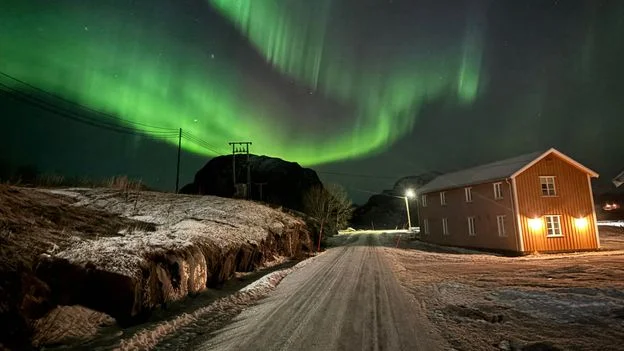
Eva Ann Andersen is revitalizing the tiny Norwegian island of Støtt by transforming its historic fishing infrastructure into a luxury hotel and tourism hub. After the local fishing industry collapsed in the 1980s, leaving only 25 permanent residents, Andersen returned in 2011 to restore the family-owned Støtt Brygge. The initiative aims to attract visitors seeking escape from urban stress, offering activities like kayaking and glacier tours while attempting to rebuild the island’s social fabric and create local employment.
Key points
- Støtt, a small archipelago north of the Arctic Circle, historically served as a shelter for fishermen and a trading post for Arctic cod expeditions to Lofoten.
- The island’s population declined from approximately 120 to 25 permanent residents after modern trawlers eliminated the need for small-scale fishing stops in the 1980s.
- Eva Ann Andersen, who left for a corporate career in Oslo, returned to Støtt in 2011 to recover and subsequently began restoring the family-owned hotel, Støtt Brygge, which has been in her family since 1897.
- The hotel now offers 16 rooms in restored buildings, including a former bakery and fishermen’s cabins, with rates starting at 1,990 NOK per night.
- Andersen has expanded tourism offerings to include kayaking, Arctic sauna sessions, and excursions to the Svartisen glacier, aiming to attract international visitors and create year-round jobs.
- The island features historical sites, including World War II German coastal fortifications and bunkers, which are now used for dining experiences and tours.
Background
This story aligns with broader trends in 'Tiny Tourism,' where travelers seek authentic, low-impact experiences in remote locations rather than mass-tourist destinations. While previous coverage highlighted the challenges of such niche tourism, the Støtt case demonstrates a successful model where historical infrastructure is repurposed to sustain a dwindling population. The island’s remote location, accessible via a ferry from Bodø, emphasizes the logistical challenges of Arctic travel, yet its unique natural and historical assets provide a compelling draw for visitors seeking isolation and connection with nature.
Why it matters
The revitalization of Støtt offers a model for how remote, economically declining communities can leverage tourism to prevent depopulation. By repurposing historical assets like fishing infrastructure and military bunkers into hospitality and leisure experiences, local leaders can create sustainable employment and attract visitors who value authenticity over mass tourism. This approach not only preserves cultural heritage but also provides a pathway for economic resilience in regions vulnerable to industrial shifts and climate change.
What to watch
Andersen plans to convert the island’s old fish factory into luxury suites to further attract international visitors and increase year-round employment. The success of these initiatives will determine whether Støtt can sustainably rebuild its social fabric and prevent further depopulation, potentially serving as a template for other remote Arctic communities facing similar challenges.
Want the full story? Read the original reporting
Read on BBC