
Goldsmith Confirms 2014 Police Intervention in Brand Abuse Case
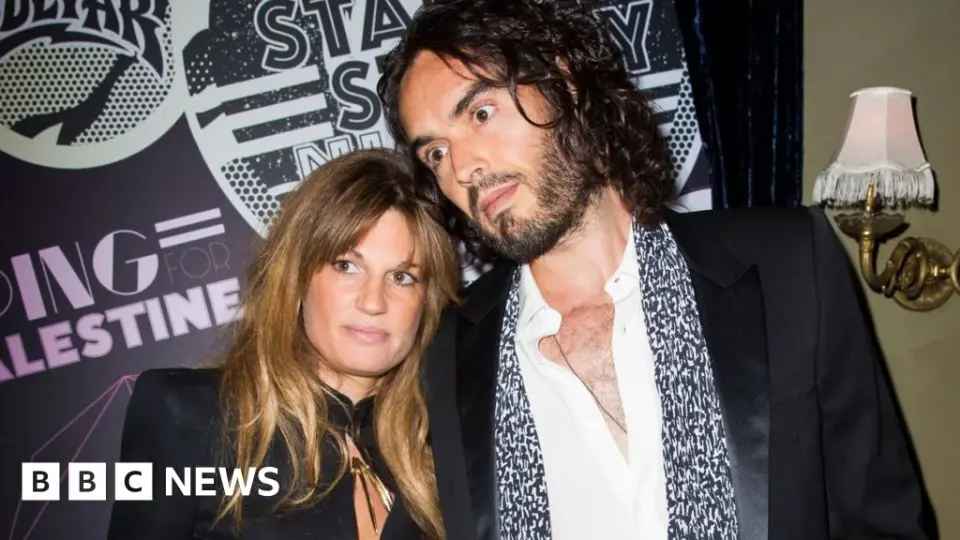
Thames Valley Police confirmed they removed Russell Brand from Jemima Goldsmith’s home in 2014 following a violent incident, though no charges were pressed. This disclosure follows Brand’s recent 10.5-year prison sentence for rape and sexual assault. While Goldsmith expressed relief at his conviction, she noted her experience paled in comparison to the victims who testified in court. Meanwhile, Met Police are assessing new allegations, and figures like Donald Trump Jr. have criticized the verdict as politically motivated, contrasting it with other high-profile cases.
Key points
- Thames Valley Police confirmed officers removed Brand from Goldsmith’s Oxfordshire home on July 25, 2014, at her request, but made no arrests.
- Goldsmith stated she did not press charges to protect her teenage children and has not spoken to Brand since 2014.
- Brand was sentenced to 10.5 years in prison on Monday for one count of rape and three counts of sexual assault.
- Met Police are investigating new reports from individuals who came forward during and after the trial.
- Donald Trump Jr. and other conservative figures argued the conviction was politically motivated due to Brand’s recent religious and political shifts.
Background
Russell Brand was convicted in November 2026 for offenses committed between 2004 and 2009. His trial followed a 2023 joint investigation by Channel 4 and The Sunday Times that exposed allegations of sexual misconduct. Brand had previously resigned from BBC Radio 2 in 2015 over inappropriate messages. His recent conversion to conservative political views and religious faith has intensified public debate around his conviction.
How outlets are covering it
BBC and The Guardian emphasize the legal outcome and the bravery of victims, with The Guardian highlighting criticism of victim-blaming cross-examination by Labour’s Lucy Powell. The Independent focuses on political backlash, citing Donald Trump Jr.’s claims that the conviction was motivated by Brand’s political shift. Variety contextualizes Brand’s case within a broader trend of celebrity accountability, comparing it to cases involving Huw Edwards and Kevin Spacey, noting that media exposure often triggers legal action. Goldsmith’s statement aligns with the BBC’s focus on the 2014 incident but adds a personal dimension regarding her decision not to press charges.
Why it matters
The case underscores the role of media investigations in triggering legal action against powerful figures and highlights ongoing debates about victim-blaming in courts. It also reveals how political and cultural shifts can influence public perception of criminal justice outcomes, with some viewing the conviction as a response to Brand’s ideological change rather than his actions.
What to watch
Met Police will continue assessing new allegations, and the Crown Prosecution Service is reviewing two additional rape claims. The BBC is reviewing its workplace culture in response to criticism over Brand’s past conduct. Goldsmith has offered to testify if journalists are sued, and Brand’s wellness business is selling merchandise supporting his release.
- Police told Russell Brand to leave Jemima Goldsmith's house in 2014 BBC
- Police receive further criminal allegations against Russell Brand The Guardian
- What Russell Brand Can Expect in a U.K. Prison The New York Times
- Trump son Don Jr defends Russell Brand in video post after rape sentencing as a ‘targeted’ conservative The Independent
- As Russell Brand’s Begins a 10-Year Prison Sentence, Why Celebrities Fear the Power of an Exposé Variety
Want the full story? Read the original reporting
Read on BBC