
Youth unemployment crisis deepens as apprenticeships remain out of reach for many
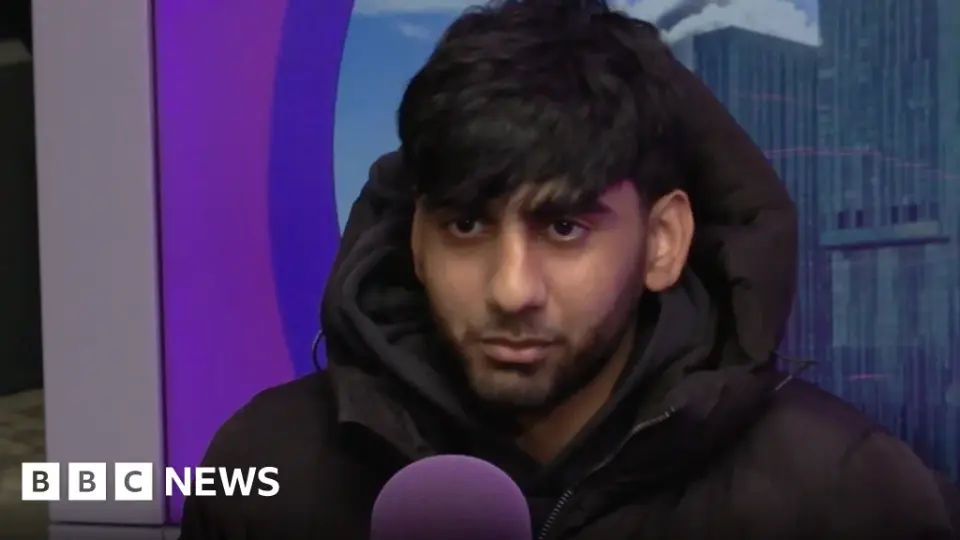
A government-commissioned review highlights that nearly one million UK young people are not in education, employment, or training. While Mayor Bev Craig proposes a new apprenticeships hub to double opportunities in Greater Manchester, individual cases reveal severe barriers. Applicants face high rejection rates, lack of employer responses, and costs that deter businesses from hiring trainees. Critics argue the system is fragmented, while youth ambassadors emphasize the need for better career advice and incentives for employers to provide entry-level roles.
Key points
- Dawud Hussain, an 18-year-old aspiring electrician in Greater Manchester, applied for over 100 apprenticeships without success, with most employers failing to respond.
- Nearly one million young people across the UK are currently classified as NEETs, with 40,000 in the Greater Manchester region alone.
- Mayor Bev Craig is seeking powers to establish a Greater Manchester Apprenticeships Hub, aiming to double access and support smaller businesses in training young people.
- Salon owner Robert Bennett noted that the cost of employing trainees prevents many businesses from offering apprenticeships, despite high demand from applicants.
- The Alan Milburn review recommends diverting welfare spending toward job support, with potential to help 440,000 young people into work by 2036.
Background
The current situation follows the publication of the Alan Milburn review, a government-commissioned assessment of youth joblessness. Previous reports indicated that the diagnosis of the problem applies across the UK, though the bulk of recommendations focus on England. Earlier discussions highlighted the tension between cutting National Insurance costs for employers and maintaining welfare support for those unable to find work. The Milburn report suggested that its recommendations could assist 440,000 young people into employment by 2036, though critics questioned the speed of implementation.
How outlets are covering it
BBC reporting focuses on the individual struggle of Dawud Hussain and the structural response by Greater Manchester Mayor Bev Craig, who calls the current system 'too broken' and 'fragmented.' The Guardian provides a broader human interest perspective, detailing the mental health impacts of prolonged joblessness on young people like Celeste, Lenny, and Frances, who describe the job market as a 'lottery' and express despair over repeated rejections. The Children's Commissioner for England offers a policy-oriented view through Youth Ambassadors, who reject labels of 'laziness' or 'workshyness.' They argue that barriers include lack of experience, high costs, and poor career advice, urging the government to create incentives for employers and improve transition from school to work. While BBC and the Commissioner focus on systemic fixes and employer incentives, The Guardian highlights the personal toll and the inadequacy of current support structures for those with health issues or disabilities.
Why it matters
The inability of young people to secure entry-level roles or apprenticeships threatens to create a 'lost generation' with long-term economic and social consequences. If the proposed apprenticeships hub and welfare reforms fail to address the root causes of employer hesitation and high costs, the gap between education and employment will widen. This could exacerbate mental health issues among youth and reduce the skilled workforce available for industries like electrical installation and hairdressing, ultimately impacting economic productivity and social cohesion.
What to watch
Mayor Bev Craig plans to pilot the Greater Manchester Apprenticeships Hub if ministers grant the necessary powers and funding. She also intends to appoint a new deputy mayor to serve as a skills commissioner. The government is expected to respond to the Milburn review recommendations, potentially adjusting welfare spending and National Insurance costs. Employers are under pressure to offer more work experience and apprenticeships, though many remain hesitant due to financial constraints. Young people will continue to seek alternative routes, such as volunteering or military service, while awaiting formal diagnoses or support that may take months or years to materialize.
- 'Still can't get a chance' after 100-plus applications BBC
- ‘I’m scared about my future’: young people on the stress and desperation of jobseeking The Guardian
- Barriers facing young people getting into education, employment and training: Reflections from my Youth Ambassadors Children's Commissioner for England
- 'It’s a scary time' - young people face ‘incredible’ competition to get jobs Chelmsford Weekly News
- ‘The social contract is broken’: young people on feeling shut out of careers The Guardian
Want the full story? Read the original reporting
Read on BBC