
White House Turmoil Peaks as Press Secretary Departs in Five Days Amid Midterm Fears
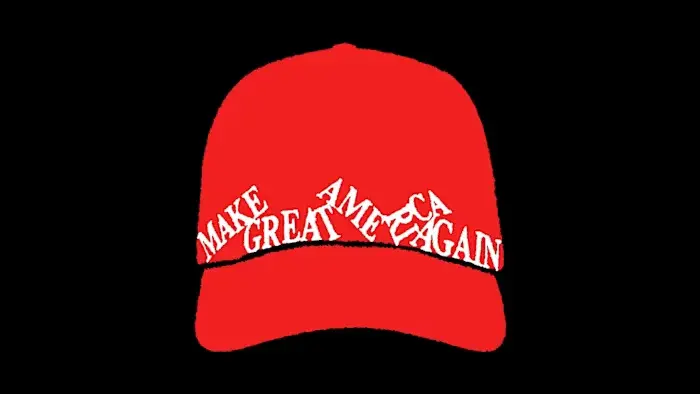
The Trump administration is facing a crisis of competence ahead of the 2026 midterm elections, highlighted by the rapid dismissal of press secretary Katie Zacharia after just five days. Zacharia, who lacked a bar license despite being described as an attorney by the president, struggled during her first press conference and was subsequently fired. This incident coincides with rumors that Chief of Staff Susie Wiles may be replaced, a move Trump denied but which suggests internal instability. Other controversies, including a missing donation to the Kennedy Center and a failed plan to livestream an execution, have further eroded the administration's early-term polish. With approval ratings at record lows, Republican allies are distancing themselves from the president to protect their own electoral prospects.
Key points
- Katie Zacharia served as White House press secretary for only five days before being dismissed by President Trump.
- Zacharia admitted she had not passed the bar exam, contradicting Trump's earlier description of her as an attorney.
- Rumors circulated that Chief of Staff Susie Wiles might be replaced post-midterms, a claim Trump denied in a statement.
- Ambassador Kimberly Guilfoyle was asked to resign after seeking a donor to pay a personal $100,000 credit card bill.
- Trump reversed his support for Secretary of War Pete Hegseth's plan to livestream an execution following public backlash.
- Alina Habba alleged that Kennedy Center head Ric Grenell failed to deposit a $6 million donation from her husband.
Background
This escalation in internal dysfunction follows a period of initial optimism in Trump's second term, where he signed 32 executive orders in his first four days and appointed figures like Susie Wiles to stabilize the West Wing. Recent archival coverage highlights ongoing tensions between the administration and federal institutions, such as the reversal of Voice of America's shutdown and the halt of mail ballot verification systems, indicating a broader pattern of policy reversals and institutional friction. The current chaos contrasts with the early 'slickness' of the administration, as approval ratings have plummeted and congressional elections approach.
How outlets are covering it
The Financial Times frames the situation as a 'total car crash,' emphasizing the loss of competence and the contrast with the administration's early efficiency. It highlights Zacharia's failure as a symptom of broader dysfunction, including the Guilfoyle resignation and the Hegseth execution reversal. U.S. News & World Report focuses on the logistical turmoil, detailing the specific controversies surrounding Zacharia's credentials, the Wiles replacement rumors, and the Kennedy Center donation dispute, while noting the timing relative to the midterms. The Independent, though largely obscured by technical code in the provided text, suggests a narrative of Trump blaming aides for poor polling while recycling standard political attacks, indicating a disconnect between public messaging and internal reality. All sources agree on the severity of the instability but differ in emphasis: the FT focuses on the collapse of professional standards, U.S. News on the specific personnel and financial scandals, and the Independent on the political strategy amidst declining support.
Why it matters
The instability within the White House threatens the Republican Party's chances in the 2026 midterm elections. As approval ratings hit record lows, the administration's inability to maintain basic professional standards, such as appointing a press secretary without a bar license, undermines its credibility. This internal chaos may force Republican candidates to distance themselves from the president to ensure their own electoral survival, potentially fracturing the party's unity. Furthermore, the revolving door of key staff, including the potential replacement of the Chief of Staff, signals a lack of long-term strategic coherence, which could impact policy consistency and public trust in the government's ability to manage domestic and foreign affairs effectively.
What to watch
The immediate focus will be on the outcome of the 2026 midterm elections, where Republican candidates will likely continue to distance themselves from the president to mitigate the damage from low approval ratings. The administration may proceed with replacing Susie Wiles as Chief of Staff, with candidates including Stephen Miller and Randy Levine under consideration. Additionally, the investigation into the Kennedy Center donation dispute and the resolution of the Guilfoyle resignation will likely dominate the news cycle in the coming weeks. The administration may also attempt to restore its image through new messaging or policy announcements, though the current trajectory suggests continued volatility and internal friction.
- The Trump administration has entered its utter shambles era Financial Times
- Trump faults aides as Republican midterm prospects dim Reuters
- I Know Who Will Go Next in Donald Trump’s Reign of Chaos: Author Michael Wolff Yahoo
- Staff Turnover and Missing Funds: A Tumultuous Week at Trump’s White House | Politics | U.S. News U.S. News & World Report
- Trump recycles ‘Dumocrats’ attacks at Kentucky rally but is privately ‘blaming aides’ for gloomy midterms outlook The Independent
Want the full story? Read the original reporting
Read on Financial Times