
Bukang-i returns to Busan canal hours after failed release attempt
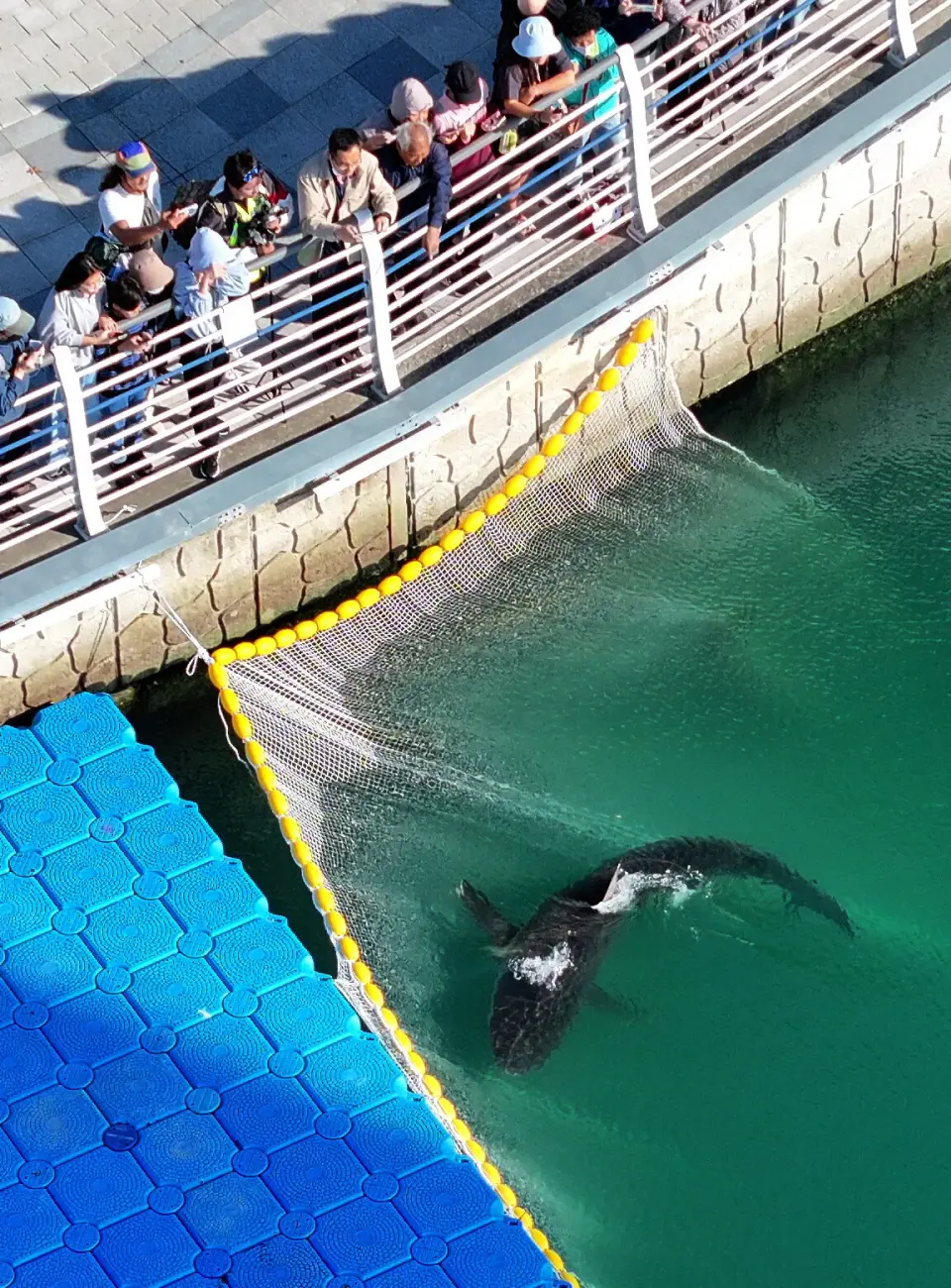
A three-meter dusky shark named Bukang-i, which became a viral sensation after becoming trapped in a Busan canal, swam back into the waterway just hours after authorities successfully guided her out. The shark had been stuck since September 18, drawing over 1.6 million visitors and boosting local tourism. Despite a successful release on October 21, the animal returned to the canal overnight, prompting officials to launch a new rescue operation on October 22. Experts warn that falling water temperatures and lack of food may threaten the shark's life within two weeks.
Key points
- Bukang-i, a 3-meter female dusky shark, was first spotted in a Busan canal on September 18, 2026.
- The shark attracted over 1.6 million visitors, becoming an unofficial mascot and boosting local tourism.
- Authorities successfully guided the shark out of the canal into open water on October 21 after an eight-hour operation.
- The shark returned to the canal overnight, breaking through a barrier, and was found between nets on October 22.
- Experts warn the shark may die within two weeks due to cold water, hunger, and injuries to its snout and fins.
Background
Since early October, Bukang-i had been a major tourist draw in Busan, with the city embracing her as a mascot. Previous attempts to release the shark using water jets and nets had failed, leading to increased public attention and even a visit from South Korean President Lee Jae Myung in mid-October. The shark's presence was linked to warming seas, which have pushed warm-water fish northward, attracting subtropical sharks to the region.
How outlets are covering it
AP News reported the shark's release on October 21 but did not detail the immediate return. BBC and The Guardian both reported that the shark returned to the canal just hours after the successful release, breaking through a barrier. BBC emphasized the shark's defiance of authorities and the scheduled new operation for Thursday. The Guardian provided more detail on the shark's health concerns, noting that it had not been seen feeding since September and that experts warned it could die within two weeks due to cold water and injuries. All sources agreed on the shark's popularity and the impact on local tourism, but differed in their emphasis on the urgency of the shark's health crisis.
Why it matters
The return of Bukang-i highlights the challenges of managing wildlife in urban environments and the impact of climate change on marine species. The shark's popularity has boosted local tourism, but its health is deteriorating, raising concerns about the long-term effects of warming seas on marine ecosystems. The incident also underscores the need for effective wildlife management strategies to balance public interest with animal welfare.
What to watch
Authorities are planning a new operation to release Bukang-i on October 22, after removing a screen that may have blocked her exit and replacing the net she swam under. Experts are closely monitoring the shark's health, with warnings that it may not survive the next two weeks due to cold water and lack of food. The outcome of the new release attempt will determine whether Bukang-i can finally return to the open sea.
- Dusky shark that became a tourist draw while trapped in a South Korean canal finally swims free AP News
- South Korea: Famed shark Bukangi returns to canal after failed rescue BBC
- South Korean officials free a shark trapped for a month in Busan canal NBC News
- Shark Returns to Sea After Over a Month Stuck in a South Korean Port Canal The New York Times
- Bukang-i is back: famous shark returns to canal in South Korea hours after being coaxed out to sea The Guardian
Want the full story? Read the original reporting
Read on AP News