
Kramatorsk Bus Strike Kills 33 in Escalating Russian Assault on Ukrainian Infrastructure
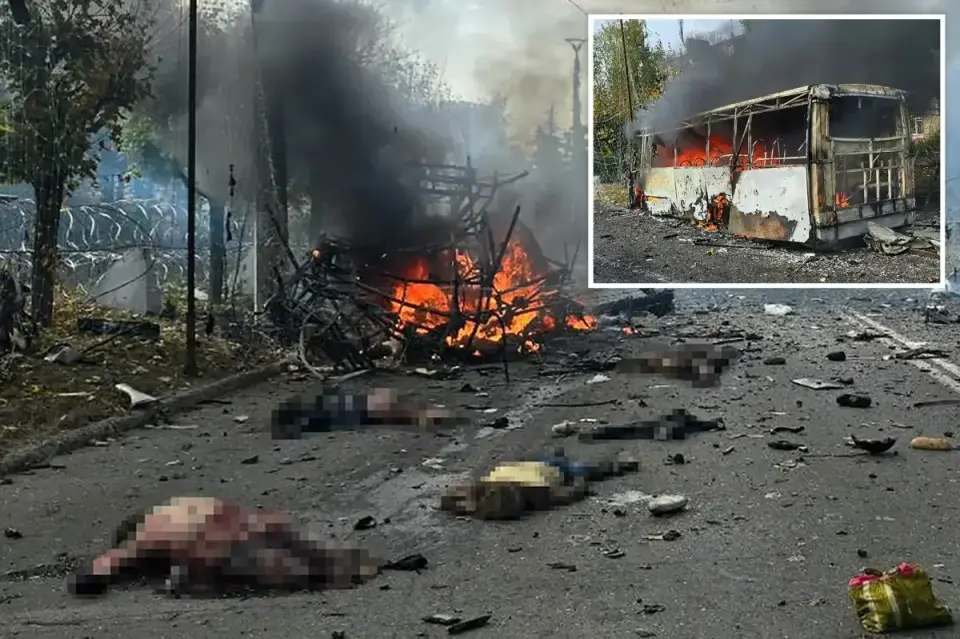
A Russian glide bomb strike on a bus stop in Kramatorsk, eastern Ukraine, killed at least 33 people and injured 18 on October 8, 2026. The attack, which targeted civilian public transport, prompted the suspension of all transit in the region. This incident follows a deadly strike on a residential building in Pryluky the previous day, highlighting a surge in Russian attacks on civilian infrastructure.
Key points
- At least 33 people were killed and 18 injured when a Russian bomb struck two buses at a stop in Kramatorsk on October 8, 2026.
- Donetsk regional head Vadym Filashkin ordered the suspension of all public transport in Kramatorsk and neighboring Sloviansk due to the threat.
- The attack followed a strike on a five-story apartment block in Pryluky on October 7, which killed 22 people, including five children.
- Ukrainian President Volodymyr Zelenskyy condemned the attacks as deliberate targeting of civilians and urged NATO allies for concrete defense support.
- British Foreign Secretary Ed Miliband announced new sanctions against Russia during a visit to the Pryluky site with Zelenskyy.
Background
This incident occurs amid a broader escalation of Russian strikes on Ukrainian infrastructure, including energy grids and transportation networks. In late September, ArcelorMittal halted operations at its Kryvyi Rih steel plant after multiple Russian strikes. Ukraine has simultaneously intensified long-range strikes on Russian oil refineries and data centers, such as Yandex, in response to the escalating conflict.
How outlets are covering it
The New York Post reported the death toll as 33, while BBC, Al Jazeera, and The Guardian cited at least 30 fatalities, noting that the number could rise. All sources agree on the 18 injured and the suspension of public transport. The New York Post emphasized the cynicism of targeting civilians, while Al Jazeera highlighted the strategic shift from power grid attacks to immobilizing transportation infrastructure. The Guardian focused on the political fallout, including criticism of the US engagement with Vladimir Putin and Zelenskyy's appeal for Starlink expansion to strike Russian targets. BBC noted the UN data showing a 55% increase in civilian casualties in 2026 compared to 2025.
Why it matters
The Kramatorsk strike exemplifies the increasing targeting of civilian infrastructure in the Russia-Ukraine war, raising concerns about war crimes and the humanitarian impact. The suspension of public transport disrupts daily life and economic activity, while the surge in civilian casualties underscores the failure of current defense systems to protect populations. This incident may influence international policy, including potential new sanctions and defense aid packages from Western allies.
What to watch
Ukrainian authorities are expected to continue investigating the Kramatorsk attack and may announce further retaliatory strikes. Western allies, including the UK and US, are likely to announce new sanctions or defense support in response to the escalating violence. The suspension of public transport in the Donetsk region may persist, affecting civilian mobility and economic logistics. International discussions on peace negotiations may be impacted by the heightened tensions and civilian casualties.
- Russian bus stop bombing kills at least 33 in Ukraine New York Post
- Russian strike on buses kills at least 30, say officials, as deadly attacks on Ukraine surge BBC
- More killed in Kramatorsk as Russia targets Ukraine’s transportation system Al Jazeera
- Russian attack on bus kills at least 30 people near Ukraine frontline The Guardian
- Escalating Assaults on Ukrainian Cities Are Producing an Enormous Toll The New York Times
Want the full story? Read the original reporting
Read on New York Post