
UK Spy Chief Warns Next Major Terror Attack May Be Hidden in Blind Spots
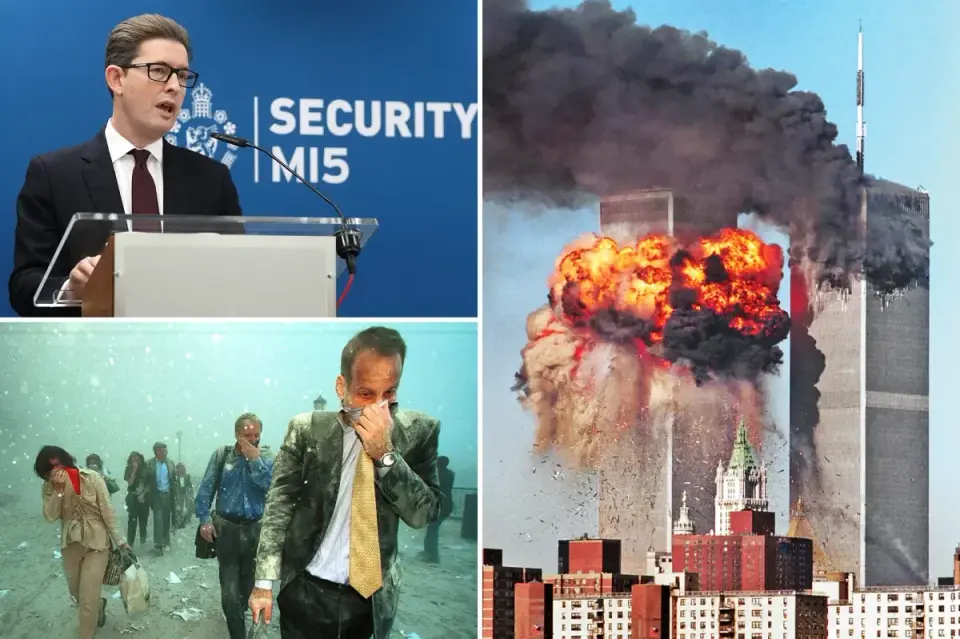
On the 25th anniversary of the September 11 attacks, MI5 Director General Ken McCallum issued a rare public warning that the next mass-casualty terror plot may already be forming in areas where current security efforts are not focused. McCallum argued that relying on past methods to counter yesterday’s enemies is insufficient, as the nature of threats has evolved. He emphasized that modern security infrastructure is heavily reliant on the private sector, necessitating a 'call to arms' for governments, businesses, and the public to collaborate. While Al Qaeda remains a threat, McCallum highlighted rising state-backed aggression, including cyberattacks and sabotage, as a growing concern. He cited a recently foiled plot in Manchester targeting the Jewish community as evidence that mass-casualty ambitions persist.
Key points
- MI5 Director General Ken McCallum warned that the next 9/11-scale terror attack may be taking shape in locations or methods not currently under surveillance.
- McCallum stated that the next strategic shock will not resemble the last one, making it crucial not to prepare solely against previous threats.
- He emphasized that many security systems are now operated by the private sector, requiring a shared national effort between government, business, academia, and the public.
- McCallum noted that while Al Qaeda has diminished, other terror groups with mass-casualty aspirations remain active, alongside rising state-backed aggression.
- He cited a recently foiled Islamist plot in Manchester targeting the Jewish community as an example of enduring mass-casualty terrorism.
- The warning was issued on the 25th anniversary of the September 11 attacks, marking a rare public statement from the usually secretive agency.
Background
This warning comes amid a broader European security landscape marked by rising hybrid warfare and state-backed aggression. Recent incidents, such as the German terror probe following a substation attack and the EU’s condemnation of Russian drone strikes in Ukraine as 'terror by design,' underscore the growing threat of sabotage and cyberattacks. These events align with McCallum’s concerns about state-backed aggression and the need for a more integrated security approach. Additionally, the 25th anniversary of 9/11 has prompted renewed discussions on counterterrorism strategies, with figures like Condoleezza Rice apologizing for past failures and Trump linking current conflicts to the legacy of 9/11.
How outlets are covering it
The New York Post highlights McCallum’s warning as a critical call for a shift in security strategies, emphasizing the need to move beyond past methods. The Telegraph, however, was inaccessible due to a security block, preventing a direct comparison. The Post’s coverage focuses on the evolving nature of threats, including state-backed aggression and the role of the private sector, while the archive articles provide context on the broader European security challenges, such as Russian hybrid warfare and sabotage. The Post’s perspective underscores the urgency of a collaborative approach to national security, whereas the archive articles highlight the tangible impacts of state-backed aggression in Europe.
Why it matters
McCallum’s warning signals a potential shift in the nature of terrorism, moving from traditional non-state actors to a combination of non-state and state-backed threats. This has significant implications for global security strategies, as it suggests that current counterterrorism efforts may be insufficient if they focus solely on past threats. The emphasis on private sector involvement in security infrastructure highlights the need for broader collaboration, which could influence policy and resource allocation. Additionally, the warning underscores the ongoing risk of mass-casualty attacks, as evidenced by the foiled plot in Manchester, and the growing threat of state-backed aggression, which could destabilize regions and international relations.
What to watch
The immediate next steps will likely involve increased collaboration between governments, businesses, and the public to address the evolving threat landscape. There may be a push for more integrated security strategies that account for both non-state and state-backed threats. Additionally, the warning could lead to a reevaluation of counterterrorism policies, with a focus on identifying and addressing blind spots in current security efforts. The private sector may face increased scrutiny and responsibility in securing critical infrastructure, while governments may seek to enhance cooperation with international partners to address state-backed aggression.
- Next 9/11 terror attack might be planned where we’re not looking, UK spy chief warns New York Post
- Head of MI5 issues 'call to arms' in rare public intervention Sky News
- Next 9/11 shock might be being planned where we're not looking, UK's MI5 chief says Reuters
- MI5 chief: Britain faces greater danger now than on 9/11 The Telegraph
- Britain in greater danger now than after 9/11, says MI5 chief The Times
Want the full story? Read the original reporting
Read on New York Post