
Rome imposes four-month 'red zone' around Colosseum to curb youth crime
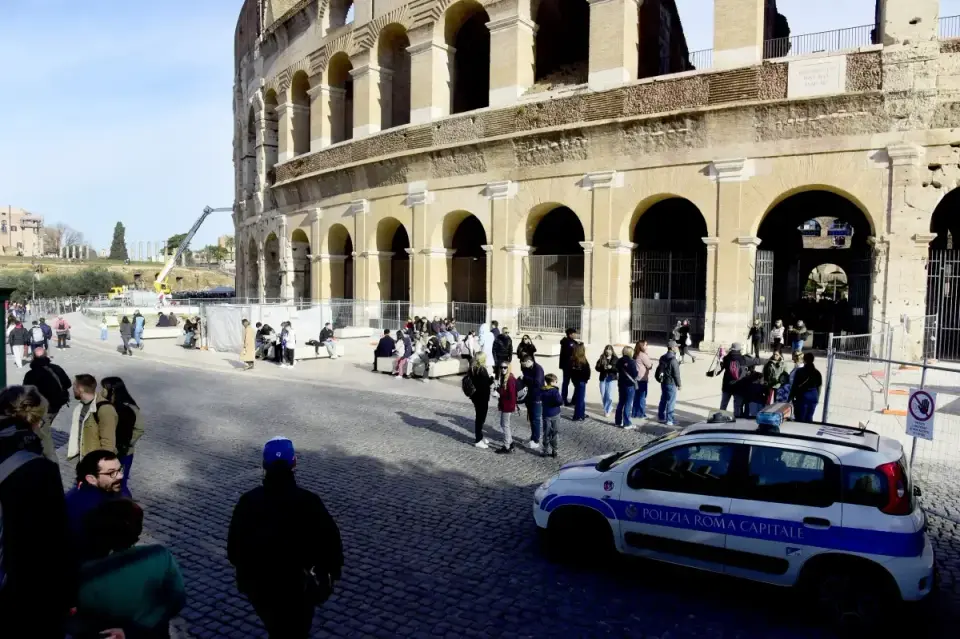
Rome authorities have designated the area surrounding the Colosseum, Imperial Forums, and Colle Oppio as a security 'red zone' effective August 24, 2026. This measure, set to last until December 24, grants police expanded powers to detain individuals with criminal records or order them to leave the area. The decision follows a surge in incidents, including a July confrontation where approximately 50 youths injured officers with fireworks. Officials blame the rise in crime on the new Roma Colosseo metro station, which opened in December 2025 as part of an $8.3 billion infrastructure project. While the zone includes 24-hour police and military presence, tourists report that pickpocketing remains prevalent, and the legal validity of such emergency powers is currently under judicial review in other Italian cities.
Key points
- The 'red zone' ordinance was issued by Rome Prefect Lamberto Giannini on August 24, 2026, and will remain in effect until December 24, 2026.
- The designated area includes the Colosseum, Imperial Forums, Colle Oppio, Termini train station, St. Peter’s Basilica, and the Basilica of Santa Maria Maggiore.
- Police in the zone have new authority to arrest suspects or order individuals deemed dangerous to leave the area immediately.
- A July 2026 incident involving roughly 50 youths setting off fireworks and injuring two police officers served as a catalyst for the new measures.
- The new Roma Colosseo metro station, opened in December 2025, is cited by officials as a conduit for marginalized youth entering the historic center.
- The Colosseum attracts over 7 million visitors annually, making it a high-priority target for petty and predatory crimes.
Background
This development follows earlier reports from our archive in early September 2026, which detailed Rome’s initial announcement of the red zone as a response to rising tourist crime and urban decay. Those earlier briefings confirmed the expansion of security to major landmarks like Termini Station and St. Peter’s Basilica, noting that authorities sought to address a specific spike in incidents through round-the-clock military and police presence. The current situation builds on those initial declarations by providing specific legal details regarding the powers granted to officers and the timeline of the measure.
How outlets are covering it
Outlets vary in their emphasis regarding the effectiveness and legal standing of the new measures. The New York Post and Pragmatika.media highlight the continued prevalence of pickpocketing despite the increased security, citing a tourist who witnessed a theft occur in real-time. SOFX provides a broader national context, noting that this is the local application of a tool introduced by Interior Minister Matteo Piantedosi in December 2024. SOFX also points out legal challenges, mentioning that a regional court in Campania annulled a similar red zone in Naples in July 2025 for violating temporary measure principles, while a parallel challenge in Milan was declined. Yahoo’s coverage focuses primarily on the heavier police presence but offers fewer details on the specific legal powers or the metro station’s role compared to the other sources.
Why it matters
The implementation of a 'red zone' in one of the world’s most visited tourist destinations signals a significant shift in Italy’s approach to urban security. It highlights the tension between infrastructure development, such as the new metro line, and public safety. The legal contestation of these emergency powers in other Italian cities suggests that this measure could set a precedent for how municipalities handle rising crime in high-traffic areas, potentially impacting future urban policy across Europe.
What to watch
A report detailing the impact of the red zone on crime rates is expected to be released in September 2026. Authorities will monitor whether the expanded police powers and 24-hour presence effectively reduce incidents like the July fireworks attack or if the measures remain legally contested, similar to the challenges faced in Naples.
- Rome declares ‘red zone’ around the Colosseum, adding extra security to fight criminals nypost.com
- Street crime around Rome's Colosseum prompts heavier police presence Yahoo
- Rome Implements Enhanced Security Measures Around Colosseum as Violence, ‘Predatory’ Crimes Spike The New York Sun
- Rome Puts the Colosseum Inside a Security "Red Zone" Until Christmas SOFX
- Rome declares Colosseum area a "red zone" due to rising crime pragmatika.media
Want the full story? Read the original reporting
Read on nypost.com