
Rime Imposes 'Red Zone' Security Measures Around Colosseum Amid Crime Surge
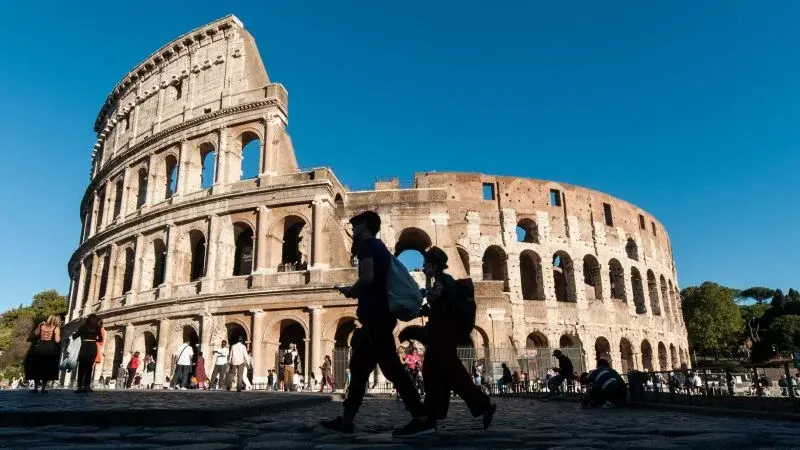
Rome has designated the area around the Colosseum a 'red zone' to combat rising violent crime and drug dealing. The measure, effective until December 24, grants police expanded powers to arrest suspects and clear areas. Officials blame the new metro station and urban decay for the surge, though tourists report ongoing pickpocketing despite increased military and police presence.
Key points
- Rome’s Prefect Lamberto Giannini declared the Colosseum, Imperial Forums, and Colle Oppio a 'red zone' effective August 24, 2026, lasting until Christmas Eve.
- The ordinance grants security officers greater powers to arrest suspects or order them to leave, citing a 'serious public emergency' involving predatory crime and drug dealing.
- A July incident involving approximately 50 young people attacking police with fireworks served as a catalyst for the heightened security response.
- Officials link the crime surge to the opening of the 'Roma Colosseo' metro station in December 2025, which they say facilitates access for marginalized youth to the historic center.
- Additional security has been deployed near Termini station, St. Peter’s Basilica, and the Basilica of Santa Maria Maggiore, though some red zones in other areas were revoked.
Background
This development follows a broader trend of infrastructure investment in Rome, including an $8.3 billion subway expansion. While these projects aim to improve tourism and connectivity, officials now admit they may inadvertently fuel crime by providing easier access to high-traffic tourist sites. The security crackdown is part of a wider effort to address urban decay and public safety concerns in central Rome.
How outlets are covering it
CNN emphasizes the impact on tourists, noting that despite increased military and police presence, pickpocketing remains a frequent issue, with one American visitor reporting a theft despite tight security. ANSA highlights the specific demographic focus of the ordinance, noting that the Prefect’s order cites 'groups of young individuals of non-EU origin' as primary perpetrators, and details the expansion of red zones to Esquilino and San Lorenzo. Yahoo’s coverage focuses more broadly on the police checks and street crime crackdown, without delving into the specific demographic or infrastructure details provided by the other outlets. The outlets agree on the core facts of the red zone declaration and the July incident but differ in their emphasis on the causes and the on-the-ground experience of tourists.
Why it matters
The security crackdown in Rome highlights the complex relationship between urban development, tourism, and public safety. As cities invest in infrastructure to attract visitors, they must also manage the potential for increased crime. The 'red zone' designation represents a significant shift in policing strategy, granting authorities expanded powers to maintain order in sensitive areas. This move could set a precedent for other major tourist destinations facing similar challenges, and its effectiveness will be evaluated in a report expected in September.
What to watch
A report detailing the impact of the red zone on crime is expected in September 2026. The security measures will remain in place until December 24, 2026. Officials will likely monitor the effectiveness of the expanded police and military presence and adjust strategies accordingly. The ongoing debate about the role of infrastructure in facilitating crime may also influence future urban planning and security policies in Rome and other cities.
Want the full story? Read the original reporting
Read on CNN