
São Paulo cop freed after fatal shooting of woman with knife
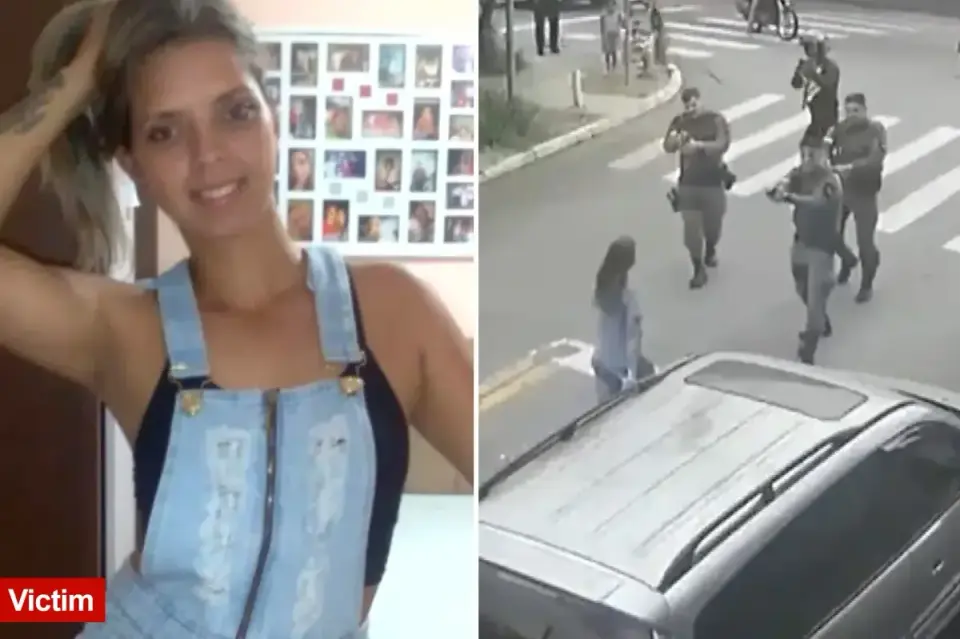
A Brazilian military police officer was arrested and then released after fatally shooting a 32-year-old woman who approached him with a knife. The incident, which occurred in São Paulo, is part of a disturbing trend of lethal police responses to individuals experiencing mental health crises. While the officer was suspended and barred from carrying a weapon, authorities are now reviewing protocols for handling such encounters.
Key points
- Officer André da Costa was arrested for shooting Camila da Silva, 32, in the Pirituba neighborhood of São Paulo on Oct. 15.
- Da Silva was shot in the chest after refusing to drop a knife while approaching police officers.
- The officer was granted provisional release on Oct. 16 but suspended for one year and barred from carrying a firearm.
- This is the third fatal police shooting in São Paulo in 12 days involving individuals with mental health issues.
- São Paulo Governor Tarcíso de Freitas announced a meeting to review police procedures and training for mental health crises.
Background
Recent incidents in Brazil have highlighted issues with police conduct and mental health responses. In September 2026, a suspect in 16 murders was arrested after a manhunt, and in October, a US woman was charged for aiding a Canadian school shooter. These cases, along with the current incident, underscore broader concerns about police use of force and mental health interventions in Latin America.
Why it matters
The case highlights the urgent need for reform in police training and procedures for handling individuals with mental health issues. The repeated fatal shootings in São Paulo within a short period have sparked public outrage and calls for accountability, potentially leading to significant changes in law enforcement practices in Brazil.
What to watch
Investigations into the shooting and the officer's prior conduct will continue. The scheduled meeting between the governor and police command aims to address procedural gaps and improve training to prevent future excesses in police responses to mental health crises.
Want the full story? Read the original reporting
Read on New York Post