
China Showcases Shenzhen’s Robot and AI Prowess to APEC Leaders Amidst Geopolitical Tensions
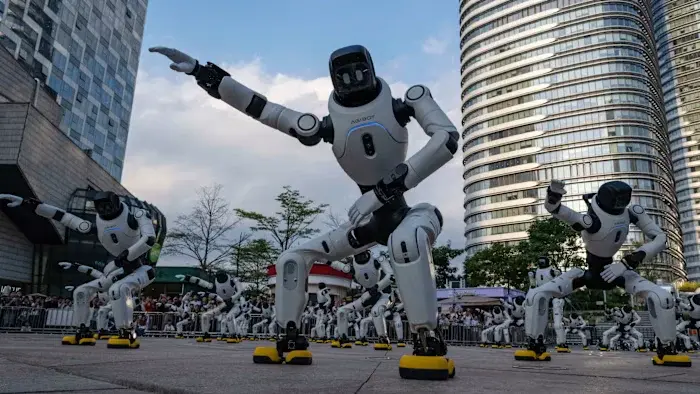
China is using the APEC summit in Shenzhen to project technological dominance through tours of smart factories and robot-filled districts, aiming to shape global discussions on trade and AI despite ongoing US-China friction.
Key points
- China organized tours of Shenzhen’s tech hubs, including BYD and Tencent, to highlight innovation for APEC attendees.
- The summit features a 'Robot Block' in Longgang district where androids perform tasks like playing piano and serving coffee.
- Shenzhen, home to Huawei and DJI, is being promoted as a 'miracle city' despite US export controls on its tech firms.
- The 21 APEC economies represent 60% of global output, making the gathering a key platform for shaping AI and supply chain policies.
- Local authorities cracked down on illicit markets selling smuggled chips and fake goods to improve the city’s image ahead of the summit.
Background
This event follows recent diplomatic gestures, including Xi Jinping personally greeting Trump at the airport, and precedes a historic trilateral meeting with Vladimir Putin. Previous coverage noted that while Beijing frames the summit as a defense of globalized trade, analysts expect limited concrete outcomes due to conflicting geopolitical interests, particularly regarding chip export controls and AI regulation.
Why it matters
The showcase underscores China’s strategy to leverage its technological advancements to influence global standards for AI and supply chains, countering US restrictions and positioning Shenzhen as a central hub for future innovation.
What to watch
Attendees will continue touring tech facilities and participating in forums focused on AI and robotics, while diplomatic negotiations on trade and security issues proceed alongside the summit.
Want the full story? Read the original reporting
Read on Financial Times