
Hong Kong court sentences Joshua Wong to 10 years for second national security conviction
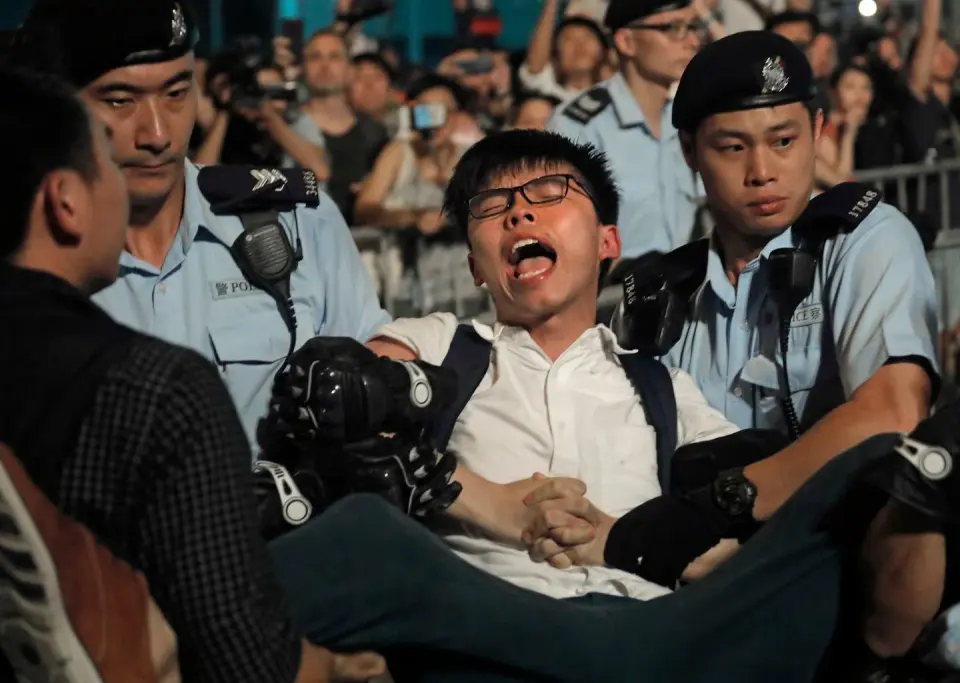
Hong Kong pro-democracy activist Joshua Wong was sentenced to 10 years in prison on November 5, 2026, for his second conviction under Beijing’s national security law. He pleaded guilty in September to conspiracy to collude with foreign forces, a charge stemming from his advocacy for U.S. sanctions against China. The new sentence runs concurrently with his existing 4-year, 8-month term for subversion, extending his incarceration well beyond his previously expected release in January 2027. Wong, who turned 30 last month, is the only political prisoner convicted twice under the law. Critics describe the ruling as part of a broader crackdown on dissent, while authorities maintain the law is necessary for stability.
Key points
- Wong was sentenced to 10 years on November 5, 2026, for conspiracy to collude with foreign forces under Hong Kong’s national security law.
- The new sentence runs concurrently with his existing 4-year, 8-month term for subversion, extending his incarceration beyond his previously expected release in January 2027.
- Wong pleaded guilty in September 2026 to the charges, which relate to his advocacy for U.S. sanctions against China between 2020 and late 2020.
- Wong is the only political prisoner convicted twice under the national security law, with his first conviction in 2024 for his role in an unofficial primary in 2020.
- Critics describe the ruling as part of a broader crackdown on dissent, while authorities maintain the law is necessary for stability.
Background
Wong first gained prominence as a teenage activist in 2012 with the Scholarism movement, which protested against the introduction of national education in schools. He later became a poster boy for the 2014 Umbrella Movement, which sought direct election for Hong Kong’s leader. In 2016, he co-founded the political party Demosistō, advocating for self-determination. In 2019, he played a less prominent role on the streets but worked on seeking overseas support, urging U.S. politicians to pass the Hong Kong Human Rights and Democracy Act. Beijing criticized him for 'begging for interference.' As the national security law loomed, he urged the U.S. to sanction China, but Demosistō disbanded when the law took effect in 2020. Wong was sentenced to 4 years and 8 months in 2024 for a separate national security case over his role in an unofficial primary in 2020.
How outlets are covering it
The Washington Post and AP News report that Wong was sentenced to 10 years for colluding with foreign forces, a charge stemming from his advocacy for U.S. sanctions against China. The Post notes that his advocacy prompted a government crackdown that helped trigger U.S. sanctions. AP News highlights that critics say Wong’s imprisonment reflects the authorities’ determination to keep prominent dissidents behind bars, while Beijing views him as an anti-China figure supporting Hong Kong independence. The Guardian, through an opinion piece by fellow activist Nathan Law, argues that the trial is political rather than legal, stating that much of the cited evidence predates the implementation of the national security law. Law claims there is a stark lack of evidence about Wong’s actions, noting that prosecutors relied on his sharing of Facebook posts written by Law, which did not directly call for sanctions. Law argues that the sentence signals to the world that China is determined to quash any hopes for freedom and democracy on its soil, and calls for the UK to make the release of political prisoners a priority when dealing with Beijing. The Washington Post and AP News do not include this specific critique of the evidence or the call for UK action.
Why it matters
Wong’s sentencing underscores the ongoing crackdown on dissent in Hong Kong under Beijing’s national security law. As the only political prisoner convicted twice under the law, his case highlights the authorities’ determination to keep prominent dissidents behind bars. The ruling extends his incarceration well beyond his previously expected release, signaling a long-term commitment to suppressing pro-democracy activism. Critics argue that the sentence reflects a broader pattern of repression, while authorities maintain that the law is necessary for stability. The case also raises questions about the effectiveness of international advocacy and the potential consequences of Beijing’s actions on its global standing.
What to watch
Wong is expected to remain incarcerated well beyond his previously expected release in January 2027, with the new 10-year sentence running concurrently with his existing term. His case may serve as a precedent for future prosecutions under the national security law. International observers and human rights organizations are likely to continue monitoring the situation, with calls for the release of political prisoners. The UK government, in particular, is expected to face pressure to prioritize the release of political prisoners when dealing with Beijing, given the Sino-British joint declaration’s intent to safeguard Hong Kong’s rights and freedoms.
- Opinion | Hong Kong’s cruel punishment of Joshua Wong The Washington Post
- Hong Kong lawmakers condemn foreign governments' criticism of Joshua Wong ruling Reuters
- Once a teen activist, Hong Kong’s Joshua Wong is spending years of his adult life in prison AP News
- Call to end ‘unjust’ national security cases as Hong Kong slams ‘malicious attacks’ South China Morning Post
- In jailing Joshua Wong, China is telling the world they'd crush every hope for democracy on its soil | Nathan Law The Guardian
Want the full story? Read the original reporting
Read on The Washington Post