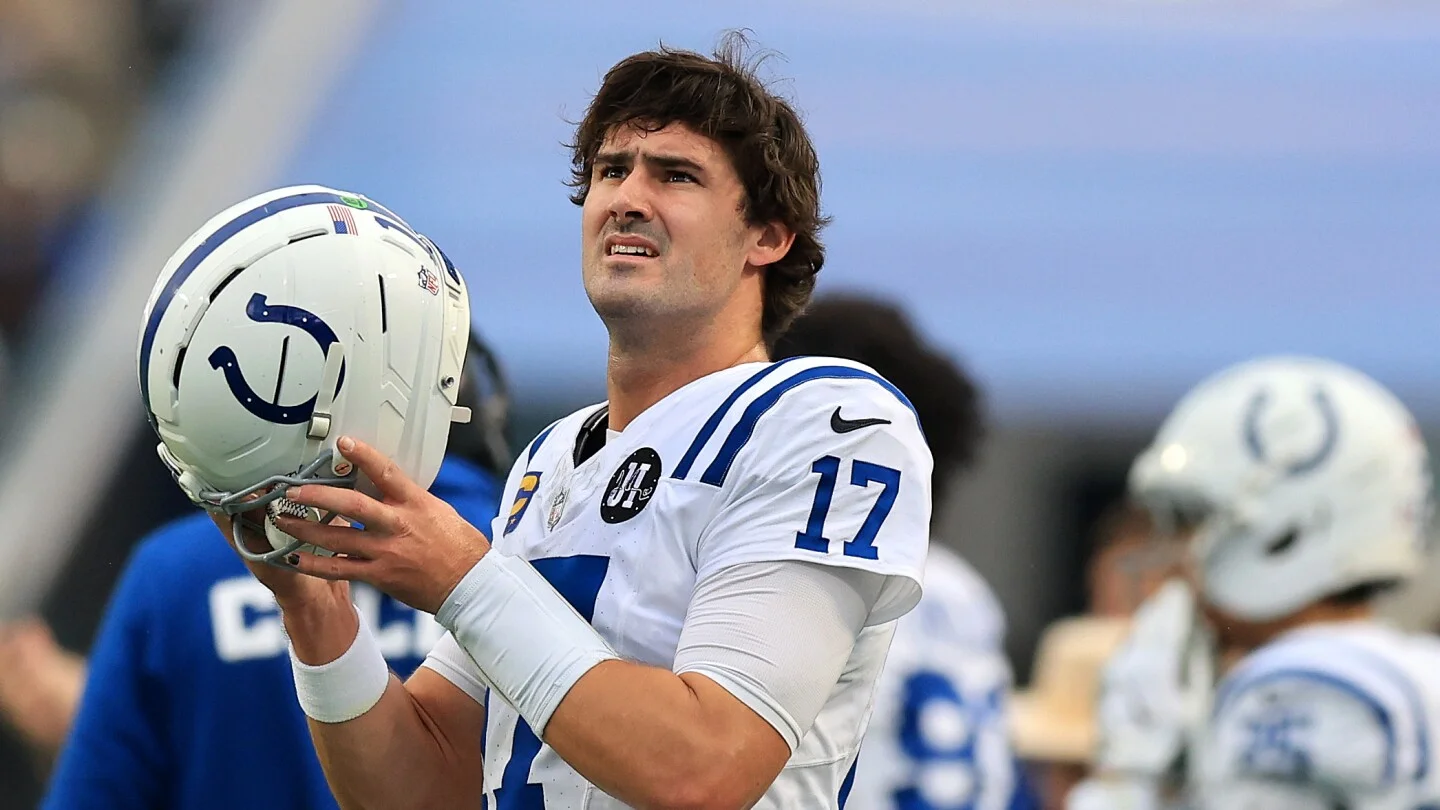
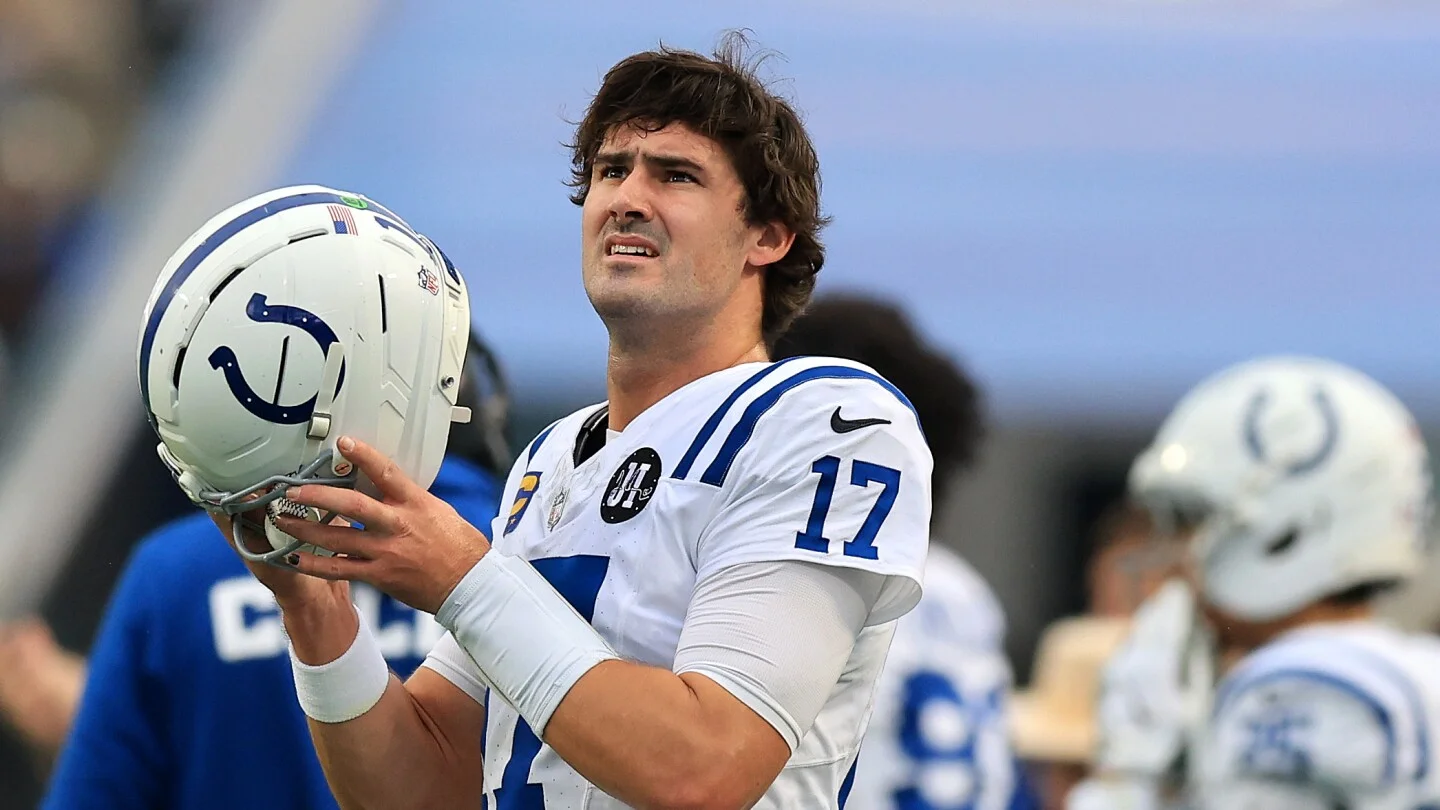
The Colts and Daniel Jones are close to a two-year contract and optimistic it can be completed today; Jones is under a transition tag allowing talks with other teams, but Indy hopes he remains their 2026 starter despite his torn Achilles.
The Colts’ initial offer to Daniel Jones was reportedly in the same $100.5 million, three-year ballpark as Sam Darnold’s deal. Indy chose a transition tag rather than a franchise tag, resulting in a two-year payout of about $83.237 million (roughly $41.62 million per year) with $37.833 million for 2026 and a 20% bump for 2027, and opening the door to other teams’ offer sheets while Jones recovers from an Achilles injury. The Colts’ plan hinges on whether another team makes a viable offer they’d be willing to match beyond the 4:00 p.m. ET deadline.
Colts placed a one-year transition tag on Daniel Jones for roughly $6 million below the franchise tag, likely as a placeholder while he rehabs an Achilles injury and the team weighs a longer deal and Alec Pierce’s future; but with a tight quarterback market, limited backup options, no 2028 first-round pick until then, and the risk of Jones signing elsewhere, the move carries significant financial and strategic risk for Indianapolis.
The Colts placed the transition tag on quarterback Daniel Jones, signaling he’s likely to stay for at least another season, while Alec Pierce becomes an unrestricted free agent unless a long-term deal is reached. The move aims to keep both top free agents, with Jones’ Pro Bowl-level 2025 season and injury history shaping negotiations. The Colts have until July 15 to strike a multiyear deal; the transition tag permits other teams to bid, with the Colts free to match or lose him without draft compensation.
The Colts placed the transition tag on quarterback Daniel Jones, giving Indianapolis the right to match any offer he receives as an unrestricted free agent. With no contract yet, the Colts and Jones can negotiate through the free-agent window opening March 9; if Jones eyes other teams, the Colts would have five days to match. Unlike the franchise tag, the transition tag carries no draft compensation and uses the top 10 salaries at the position to determine the one-year salary. This is the seventh transition-tag usage since 2013 and the Colts’ first since 1998. Jones joined the Colts last March and, in 13 starts, completed 68% of passes for 3,101 yards with 19 TDs, 8 INTs, a 100.2 passer rating and five rushing TDs.
The Indianapolis Colts placed a one-year transition tag on quarterback Daniel Jones, giving them the right to match any offer in free agency and paying him about $37.8 million in 2026 if he stays; the move comes while Jones is recovering from a torn Achilles, and a franchise tag would have been higher at about $43.9 million.
The NFL’s franchise/transition tag window closes today at 4:00 p.m. ET. Historically, only a couple of tags are used each year, with 2025’s count the fewest since 2006; this year’s potential moves to watch include Colts quarterback Daniel Jones (and, if a deal is worked out today, Colts receiver Alec Pierce), Jets running back Breece Hall, and Bengals defensive end Trey Hendrickson, but it remains likely there will be only two tags announced before the deadline.
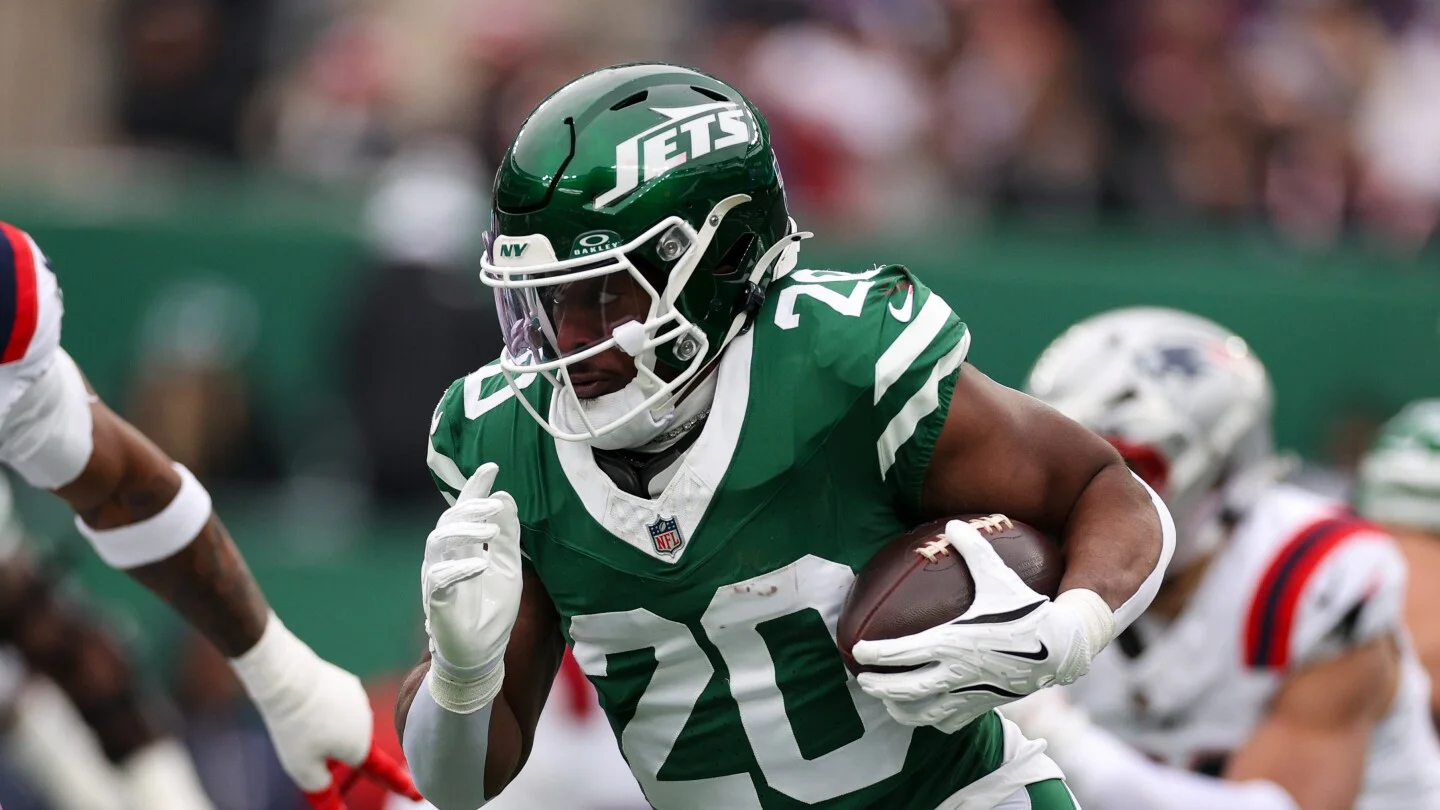
With a Tuesday deadline looming, the Jets must choose between franchising Breece Hall, using the transition tag, or signing a multiyear deal; a franchise tag would cost two first-round picks to sign away Hall, while a transition tag would give the Jets no compensation if he signs elsewhere. A mid-range AAV around $12.8 million could emerge depending on the evolving running back market, influenced by recent deals for peers and free agents.
The Jets may apply the transition tag to running back Breece Hall as a hedge against free agency. The tag would cost roughly $11.5–$11.9 million for 2026, guarantees the year if accepted, and lets New York match any offer sheet without paying compensation unless they choose not to match. It can serve as a placeholder while market offers come in; if Hall signs elsewhere, the Jets wouldn’t incur compensatory picks. A franchise tag would be pricier (around $14.5 million), and a tag-and-trade remains a possibility if the Jets decide to pay Hall for another year.
With the NFL’s franchise-tag window opening in March, Bleacher Nation explains how the Franchise Tag and the Transition Tag work, the cost of tagging (including the single-tag rule and how tag values rise with repeats), and the March 3 deadline. The piece also outlines league-wide tag candidates to monitor and notes that Chicago isn’t expected to use a franchise tag this offseason, though other teams’ moves could influence the Bears’ strategy.
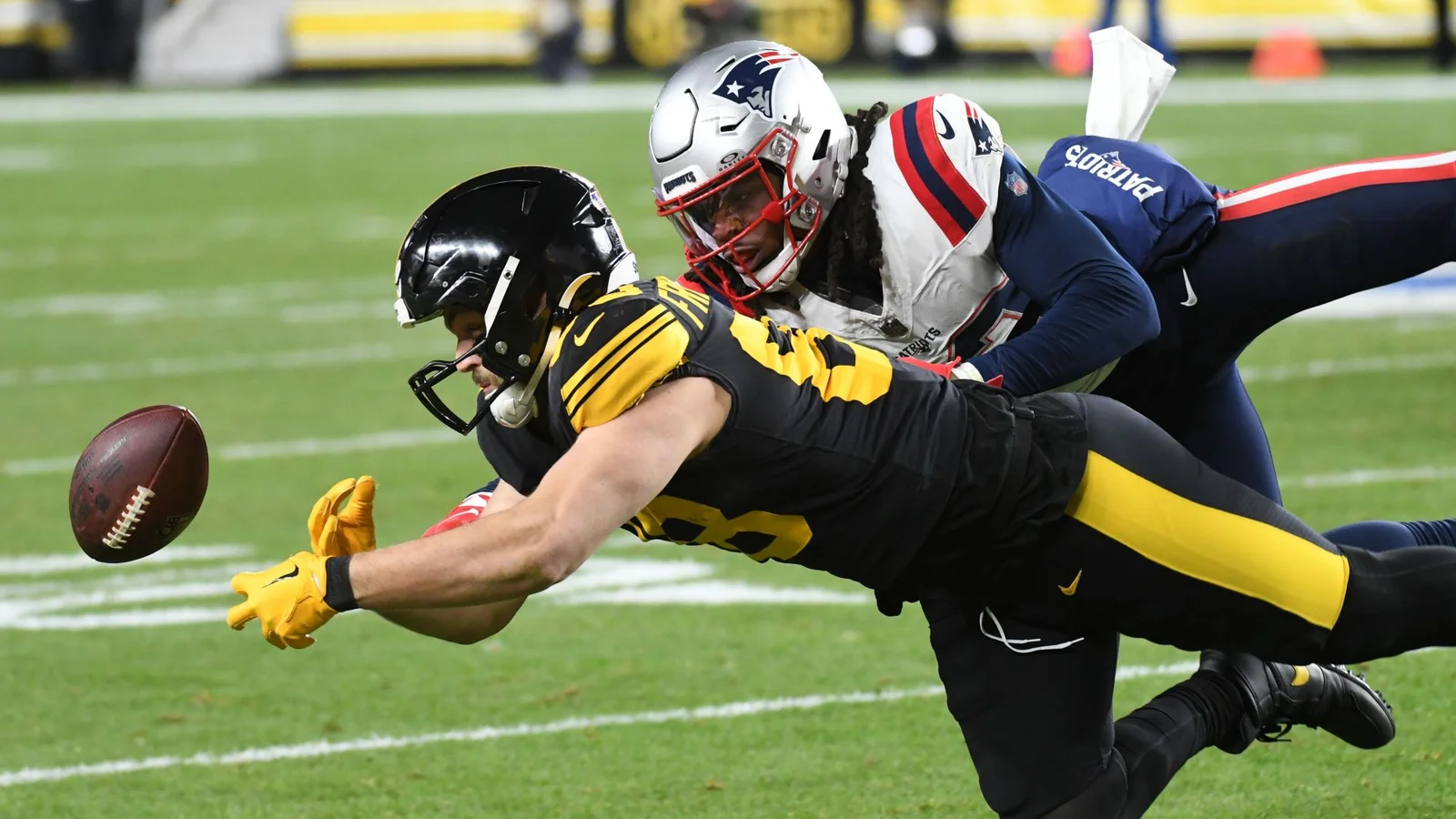
The New England Patriots used the transition tag to keep safety Kyle Dugger under contract for the 2024 season, making him part of a rare club of Patriots players who have received this designation. The transition tag, which offers the right of first refusal, has been used only six times in the past 10 offseasons. Dugger joins linebacker Vincent Brown and cornerback Maurice Hurst as the only other Patriots players to have been tagged in this manner. The hope is that Dugger will continue to play solid football for the organization after receiving the transition tag.
The New York Giants decided not to use the transition tag on safety Xavier McKinney due to concerns about the evolving safety market and the potential impact on their ability to match offers. By not using the tag, they retain the right of first refusal but risk losing compensation if McKinney leaves in free agency. The decision reflects the team's need to address multiple roster gaps and the potential impact on compensatory picks.
The New England Patriots used the transition tag on Kyle Dugger, aiming to secure a long-term agreement with the talented player. Head coach Jerod Mayo expressed the team's goal of reaching a deal with Dugger, emphasizing his character and productivity. This strategy, however, prevented the Patriots from using the franchise tag on other impending free agents, potentially impacting their ability to retain homegrown talent.
The New England Patriots have placed the transition tag on safety Kyle Dugger, indicating their desire to keep him for the 2024 season. The team aims to reach a long-term deal with Dugger and has offered a contract averaging around $13 million annually. The transition tag allows Dugger to negotiate with other teams, but the Patriots have the right of first refusal. This move provides the team with security while giving Dugger the opportunity to assess his market value.
The New England Patriots have used their transition tag on safety Kyle Dugger, allowing them to match any outside offer for his services. If Dugger signs the tag, he will receive $13.815 million in salary, but the team will not receive any draft pick compensation if he joins another club. Head coach Jerod Mayo expressed the team's desire to reach a long-term agreement with Dugger, emphasizing the player's talent, work ethic, and character as key factors in their decision.