A BBC tester uses Ray-Ban Meta AI glasses in Paris for navigation, translation and quick info; they work well for hands-free directions and menus but fail on some facts, raise privacy concerns and can distance the user from the city, making them useful only for specific tasks rather than a universal travel upgrade.
Handheld translators are stand-alone devices that boost real-time, two-way conversations abroad—letting you use your phone for other tasks and even offline translation—by offering dedicated hardware and, in some cases, earbuds for immersive, hands-free dialogue. The WIRED review highlights three picks: Timekettle T1, a compact stand-alone with a shared screen and offline language packs (31 pairs; eSIM included for two years); iFLYTEK AI Translation Earbuds, which deliver fast, hands-free two-way translation via a phone app but require internet and have no offline mode; and InnAIO T10, a clip-on AI translator/notetaker with an offline mode and a subscription for unlimited real-time translation. The article notes casual travelers can rely on free phone apps, but frequent or offline use makes dedicated devices worthwhile, while warning to watch subscription costs and language coverage.
Navan, a travel and expense management company backed by major investors, has confidentially filed for a U.S. IPO amid a recent revival in the IPO market, aiming to capitalize on increased investor interest and optimism for new listings.
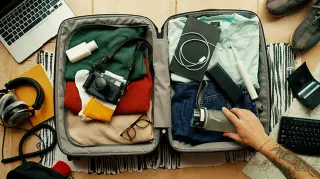
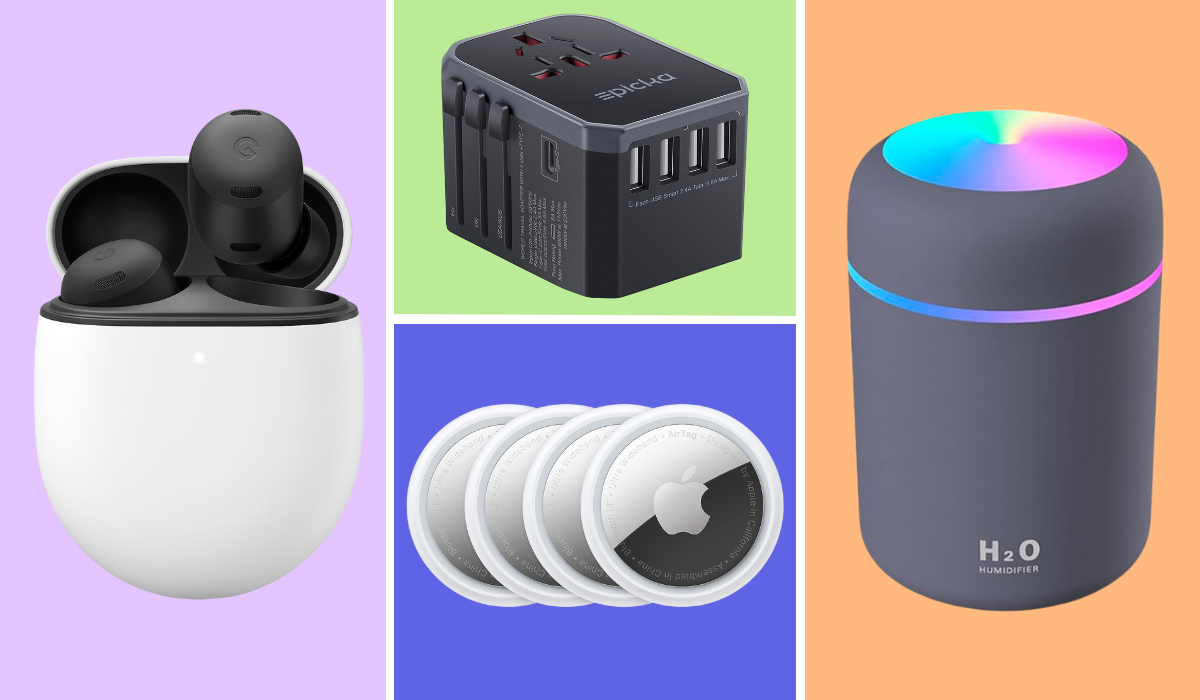
Flight crew members recommend investing in top-rated travel tech for a comfortable and stress-free journey, including Apple AirTag for keeping track of items, a portable mini humidifier for post-flight hydration, Google Pixel Buds Pro for noise cancellation, Anker portable charger for on-the-go power, and a universal travel adapter for international charging needs.