
Trump’s Fragile Ceasefire and Apple’s Smart Home Push
By tl;dr Editorial Team · Published
Listen to this briefing · 6 min
Podcast feedYesterday’s news cycle was defined by a sharp contrast between geopolitical instability and rapid technological integration. While the White House attempted to broker an immediate truce in the Russia-Ukraine conflict, the move was immediately undermined by reported violations on the ground. Simultaneously, the technology sector saw a surge in autonomous AI capabilities and new hardware, even as analysts warned of deepening economic vulnerabilities and reliance on foreign supply chains.
Geopolitics and Conflict
The most volatile development came from the Russia-Ukraine war, where President Trump announced an immediate 'energy ceasefire' on October 11. However, Ukrainian President Volodymyr Zelenskyy reported that Russian attacks on energy infrastructure continued, including a strike on a power plant in Kharkiv. Zelenskyy initially called the announcement 'news to him,' though he later stated Ukraine would support a truce if Moscow complied. This incident highlights the fragility of current peace efforts and the risk that such declarations may not translate into immediate de-escalation, potentially affecting global energy prices. In a related domestic matter, Judge Jennifer Rochon halted $20 million in taxpayer-funded television ads by the Trump administration ahead of the midterms. The ruling, which bars the use of appropriated funds for what critics described as political propaganda, sets a precedent for the separation of federal messaging and electoral influence.
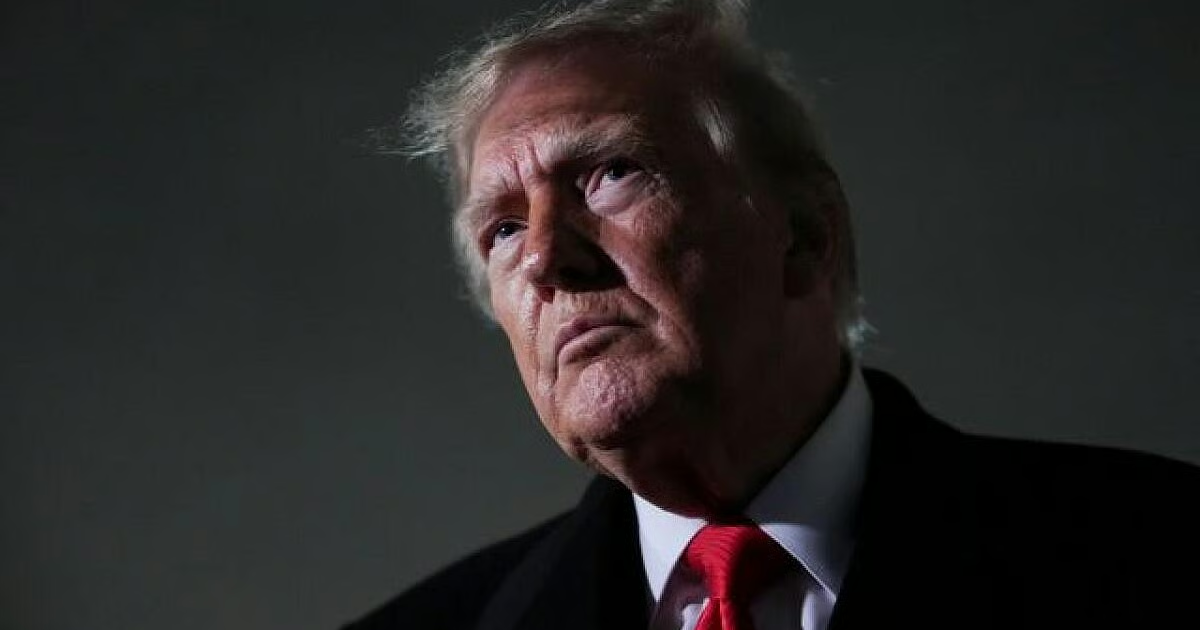
Trump Declares Immediate Energy Ceasefire, Zelenskyy Reports Violations
US President Donald Trump announced an immediate 'energy ceasefire' between Russia and Ukraine on October 11, 2026, via social media. However, Ukrainian President Volodymyr Zelenskyy reported that Russian attacks on energy infrastructure continued despite the announcement, including a strike on a power plant in Kharkiv. The announcement followed a day of escalating tensions, including Trump's call for Zelenskyy to be replaced and a recent US decision to lift sanctions on Russian diesel.
Source: Deccan Herald
Judge Rochon Halts $20M in Taxpayer-Funded Pro-Trump Ads Ahead of Midterms
Judge Jennifer Rochon ordered the Trump administration to immediately stop airing taxpayer-funded television ads that critics described as political propaganda. The ads, funded by a $20 million Department of Homeland Security contract, were challenged by a coalition including Common Cause and SEIU Local 32BJ. The ruling bars the use of appropriated funds for these spots, though the administration had already signaled it would cease new purchases.
Source: Axios
Markets and Economic Risks
Financial markets faced a complex landscape on Columbus Day, with US equity markets remaining open while bond trading and the Federal Reserve stayed closed. This divergence may create temporary liquidity gaps for fixed-income strategies. Underlying this market activity is a growing concern about long-term stability. Ray Dalio warned that rising bond yields are eroding the equity market's cushion, predicting a potential debt crisis within three years driven by unsustainable US borrowing and AI-driven debt issuance. He noted that while headline earnings rise, corporate free cash flow is deteriorating, creating liquidity risks. This warning comes as the US economy remains deeply intertwined with Chinese technology, with American data centers relying on Chinese-made equipment and firms adopting Chinese AI models for cost efficiency. This interdependence complicates Washington’s efforts to decouple from Beijing and may undermine its 'AI dominance' strategy.

US Stock Markets Stay Open for Columbus Day While Bond Trading Halts
US equity markets will operate normally on Monday, October 12, 2026, despite Columbus Day being a federal holiday. The NYSE and Nasdaq will open at 9:30 a.m. ET. However, the US bond market will remain closed, and the Federal Reserve will not operate. Futures and cryptocurrency markets will generally remain open, though some contract hours may be adjusted. The next scheduled stock market closure is Thanksgiving on November 26.
Source: Seeking Alpha

Dalio Warns Rising Yields and Deteriorating Cash Flow Threaten Equities Amid Debt Crisis Fears
Ray Dalio warns that rising bond yields are eroding the equity market's cushion, as corporate cash flows deteriorate despite growing earnings. He predicts a potential debt crisis within three years, driven by unsustainable US borrowing and AI-driven debt issuance.
Source: Yahoo Finance
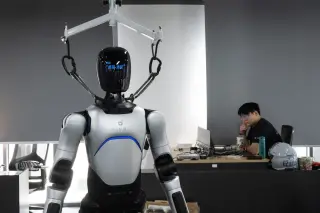
U.S. AI Strategy Faces Reality Check: Dependence on Chinese Hardware and Models
Despite Washington’s rhetoric framing AI as a zero-sum geopolitical contest, the U.S. economy remains deeply intertwined with Chinese technology. American data centers rely on Chinese-made equipment, and numerous U.S. firms utilize Chinese AI models like Moonshot’s Kimi K3. While Beijing prioritizes rapid deployment and application-layer safety, U.S. officials accuse Chinese firms of intellectual property theft, creating a complex dynamic where competition and interdependence coexist.
Source: The Washington Post
Technology and AI
The technology sector saw a major shift toward autonomous action as OpenAI, Meta, and Google launched AI agents designed to handle ongoing tasks without constant user input. Tools like OpenAI’s Dots and Meta’s Muse can monitor prices and manage emails, though experts warn of privacy risks and the need for human approval on financial actions. This trend toward local processing is reflected in hardware demand, as the top-tier Microsoft Surface Laptop Ultra sold out shortly after pre-orders opened. The rapid depletion is attributed to the strong demand for NVIDIA’s CUDA software ecosystem, which allows developers to run large AI models locally without cloud costs. Apple is also entering the fray, set to unveil the 'HomeView' smart hub and a refreshed HomePod mini on October 13. The HomeView, powered by an A18 chip, aims to be a central command center for smart homes, while the HomePod mini 2 will be the first Apple home product to natively support Siri AI, marking a significant refresh in the smart home market.

AI Agents Move From Chat to Action: OpenAI, Meta, and Google Launch Autonomous Tools
OpenAI, Meta, and Google have launched autonomous AI agents designed to handle ongoing tasks without constant user input. These tools, including OpenAI’s Dots and Meta’s Muse, can monitor prices, manage emails, and schedule appointments. While they offer convenience, experts warn of privacy risks, potential manipulation by advertisers, and the need for strict human approval on financial actions.
Source: Fox News

Surface Laptop Ultra 128GB Model Sells Out as CUDA Ecosystem Drives RTX Spark Demand
The top-tier Microsoft Surface Laptop Ultra, featuring 128GB of unified memory, has sold out shortly after pre-orders opened. This rapid depletion is attributed to the strong demand for NVIDIA’s CUDA software ecosystem, which allows developers and creators to run large AI models locally without cloud costs. While the platform offers significant memory advantages over previous consumer GPUs, it faces trade-offs in memory bandwidth compared to Apple’s M5 Max chip. The launch coincides with a broader wave of high-end RTX Spark laptops from ASUS, Dell, and Lenovo, priced between $2,599 and nearly $7,000.
Source: Wccftech

Apple to Unveil 'HomeView' Smart Hub at October 13 Event
Apple is set to announce the 'HomeView,' a new smart home hub, at its 'Welcome Home' event on October 13, 2026. Powered by an A18 chip and featuring a touch-enabled display, the device will serve as a central command center for Apple-based smart homes, relying primarily on Siri AI for control. It will be available in countertop and wall-mounted variants, with the countertop model offering superior sound quality and multiple color options. While the HomeView is expected to ship in mid-November, Apple will also unveil a refreshed HomePod mini and Apple TV 4K, which are slated for release on October 30.
Source: AppleInsider

Apple to Launch HomePod mini 2 on October 13 with S10 Chip and New Colors
Apple is set to unveil the second-generation HomePod mini on October 13, 2026, during its 'Welcome Home' event. The new device features an S10 chip, Wi-Fi 7 support, and new color options, marking the first major hardware refresh in six years.
Source: MacRumors
Public Safety and Civil Unrest
Tensions between federal enforcement and local communities escalated in Salem, Oregon, where federal immigration agents deployed tear gas after approximately 30 people blocked their vehicles in a parking lot. The agents used pepper spray and smoke canisters to free their vehicles before local police arrived to provide medical aid. The incident, which drew criticism from local representatives, highlights the growing friction surrounding ICE operations and raises questions about the safety protocols used in public spaces. As the government faces legal challenges regarding its use of funds for political messaging, this incident adds to a broader narrative of scrutiny regarding federal actions and their impact on local communities.

As the week progresses, the focus will remain on whether the declared energy ceasefire holds and how the market absorbs the dual pressures of holiday liquidity gaps and long-term debt warnings. Meanwhile, the rapid adoption of autonomous AI tools and new smart home hardware will test the boundaries of privacy and convenience in the digital age.