astronomy-and-astrophysics5.635 min read
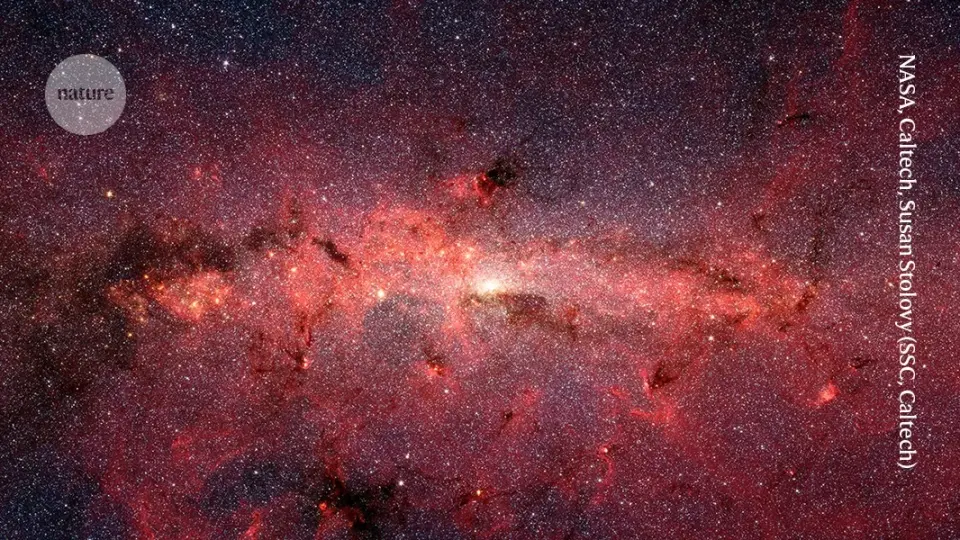
Cosmic sugar detected in interstellar space hints at life’s origins
2 months ago•Source: Nature

The latest astronomy and astrophysics stories, each synthesized from multiple sources with added background and context.

Observations of an ultra-bright supernova suggest a wobbling magnetar engine, caused by Lense–Thirring precession, could explain why some supernovae are 10–100 times brighter than expected.
Phys.org•2 years ago
Hackaday•2 years ago
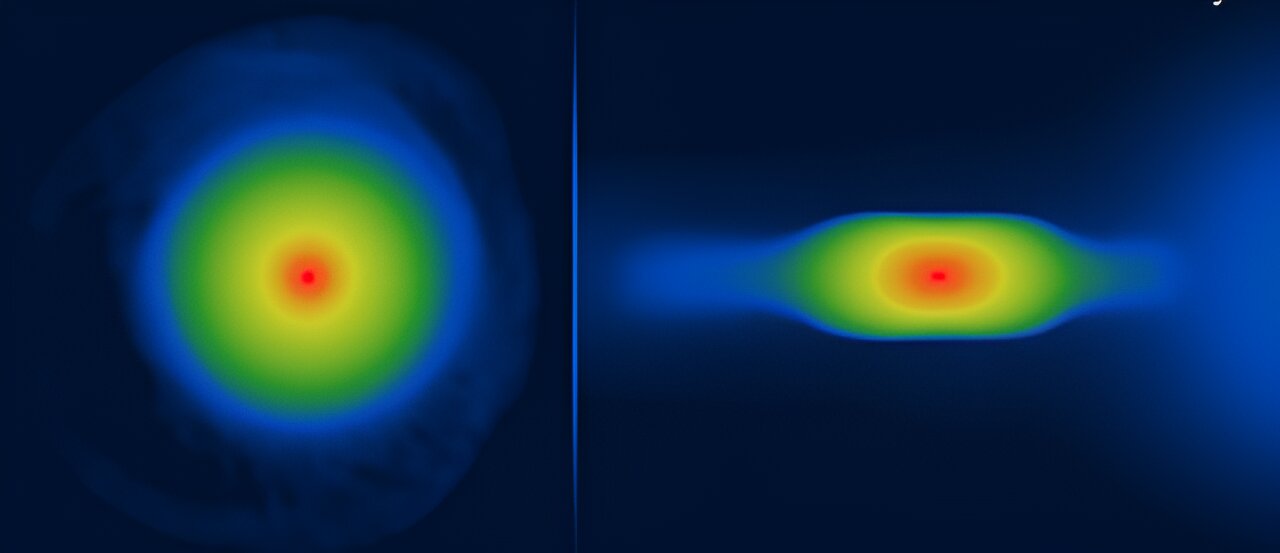
Astrophysicists from the University of Central Lancashire have discovered that young planets have flattened shapes like oblate spheroids rather than being spherical, challenging previous assumptions. Using computer simulations, the researchers found that protoplanets form as flattened structures called oblate spheroids, similar to smarties, and grow predominantly from their poles rather than their equators. This finding has important implications for understanding planet formation mechanisms and suggests that observations of young planets through telescopes may depend on the viewing angle. The researchers are now working on improved computational models to further examine the shape and chemical composition of these young planets.
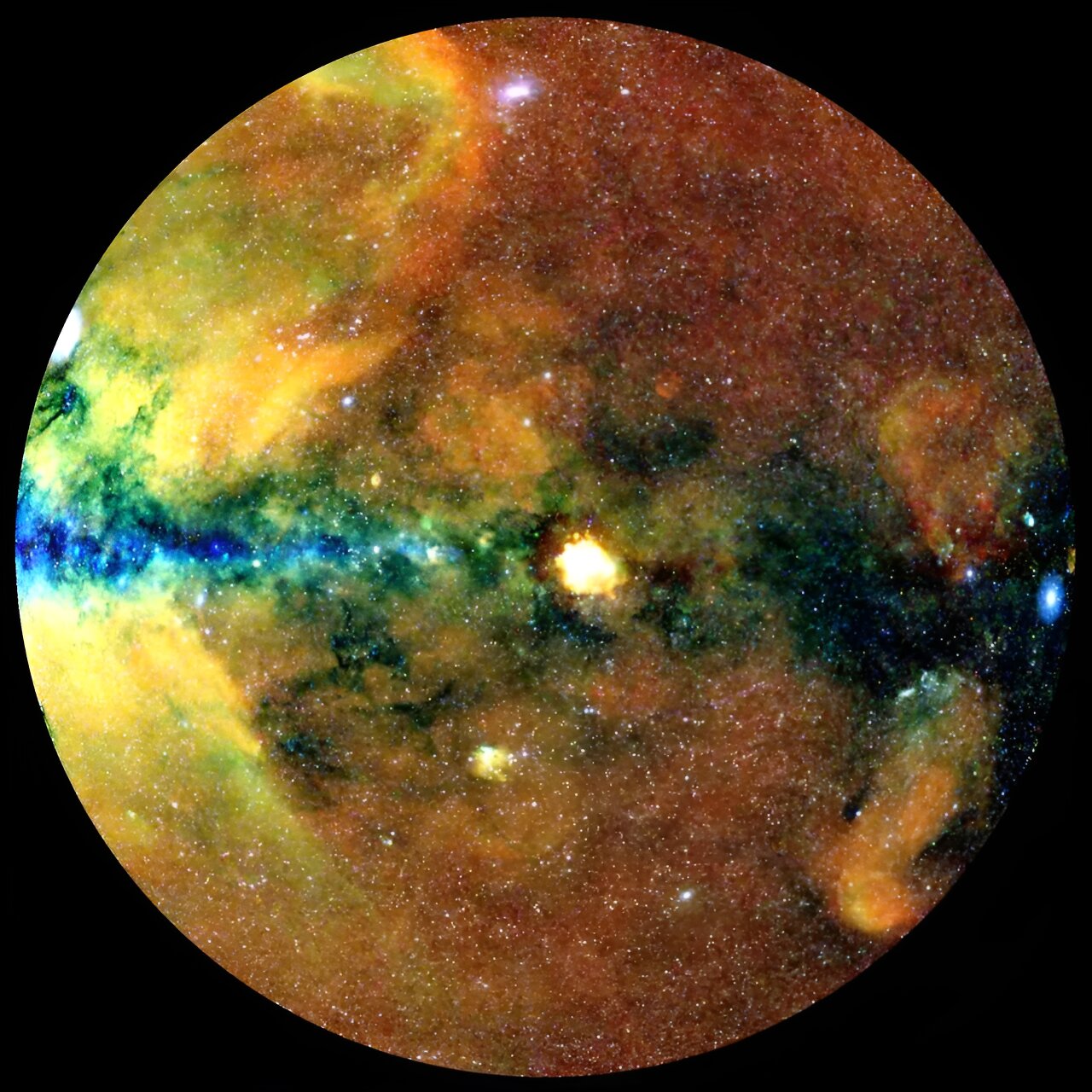
The German eROSITA consortium has released the largest X-ray catalog ever published, containing about 900,000 distinct sources from the first eROSITA All-Sky Survey (eRASS1). The data, which includes scientific papers describing new results, will revolutionize our knowledge of the universe at high energies. The catalog covers half the X-ray sky and includes supermassive black holes, X-ray-emitting stars, clusters of galaxies, and other exotic sources. The release also provides images of the X-ray sky, individual photon lists, and software for data analysis, with cosmology results expected in approximately two weeks.
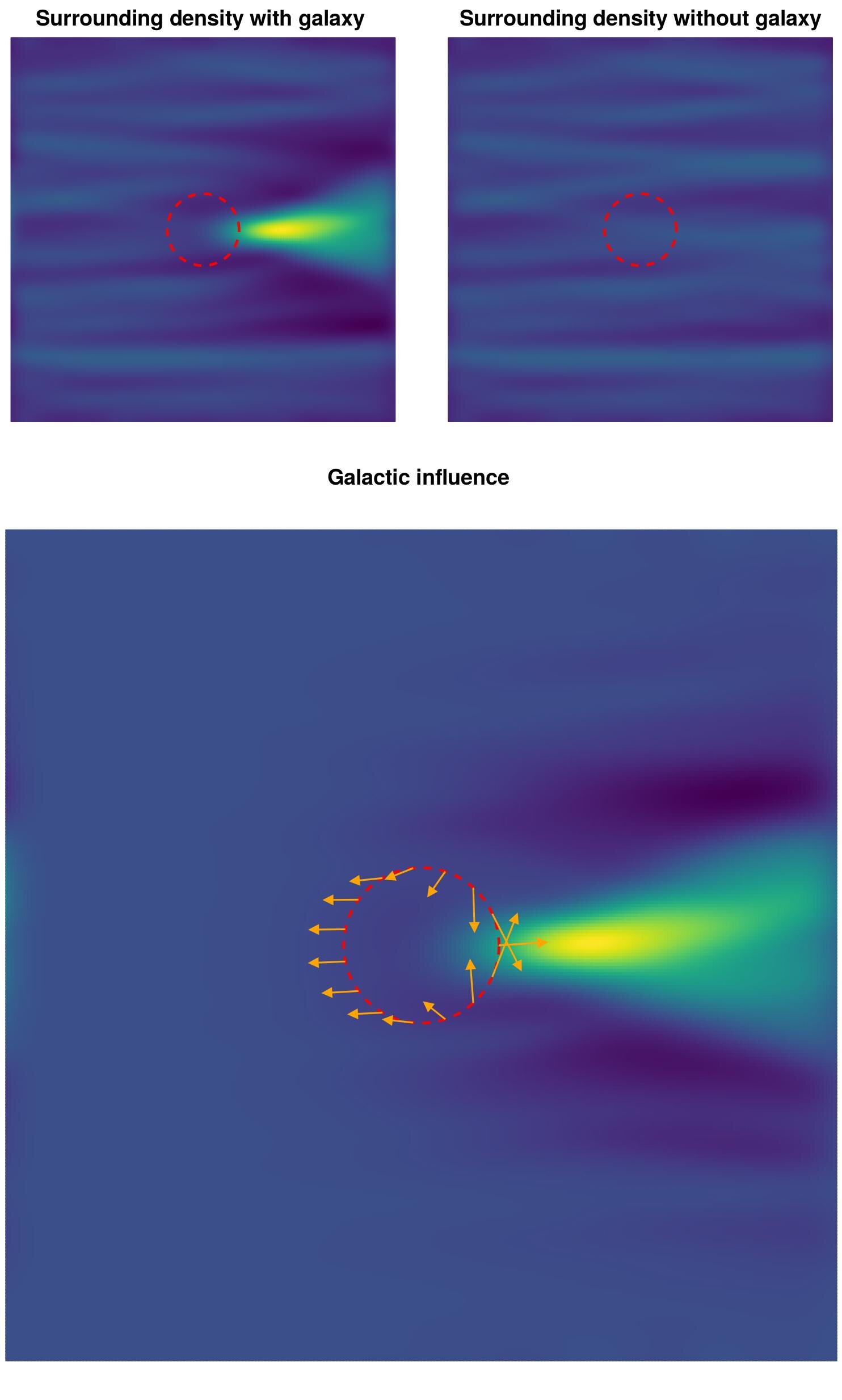
Researchers have developed a method to calculate the forces affecting galaxies in tidal cycles, aiming to find lopsided galaxies in the universe to study the velocity of dark matter relative to the galaxies. The speed of dark matter can be measured by observing how galaxies affect the trajectory of dark matter particles as they pass by, causing a phenomenon called dynamical friction. Identifying lopsided galaxies isolated from other influences is crucial for accurately measuring the velocities of dark matter, which could provide valuable insights for testing new dark matter models and understanding the nature of dark matter.