health-global-health3.445 min read
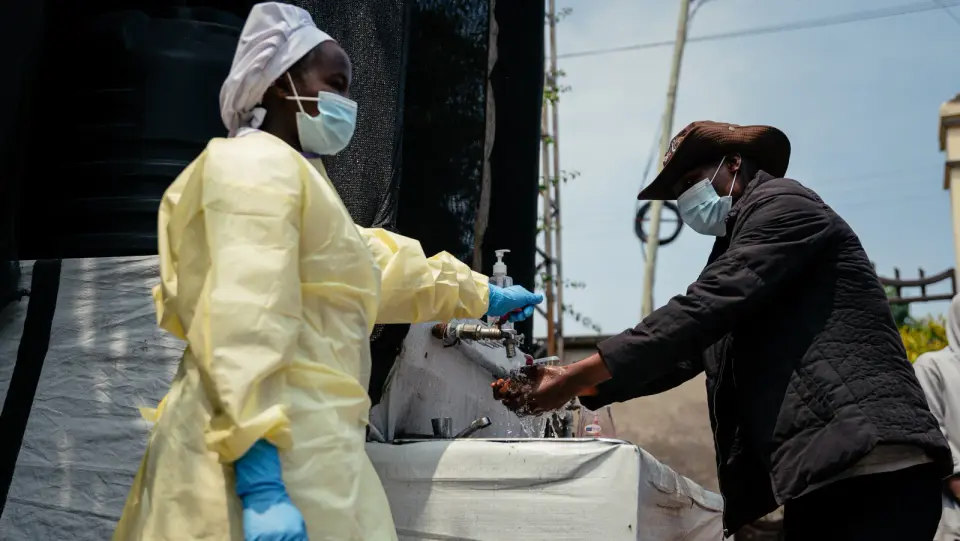
Zoonotic spillovers are the new normal for deadly outbreaks, experts warn
4 months ago•Source: USA Today

The latest health global health stories, each synthesized from multiple sources with added background and context.
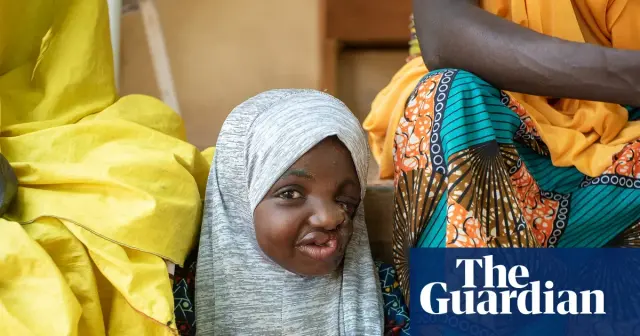
Researchers studying noma patients in Nigeria identified a previously undescribed Treponema bacterium (Treponema A) in most samples, suggesting a possible causal or contributory role and raising the possibility of diagnostic tests at the gingivitis stage and targeted antibiotics to prevent progression. If confirmed, this could reduce mortality and lifelong disfigurement and lessen reliance on broad-spectrum antibiotics; a larger, multi-country study is planned to clarify Treponema A’s role.
News-Medical.Net•2 years ago
The Guardian•2 years ago
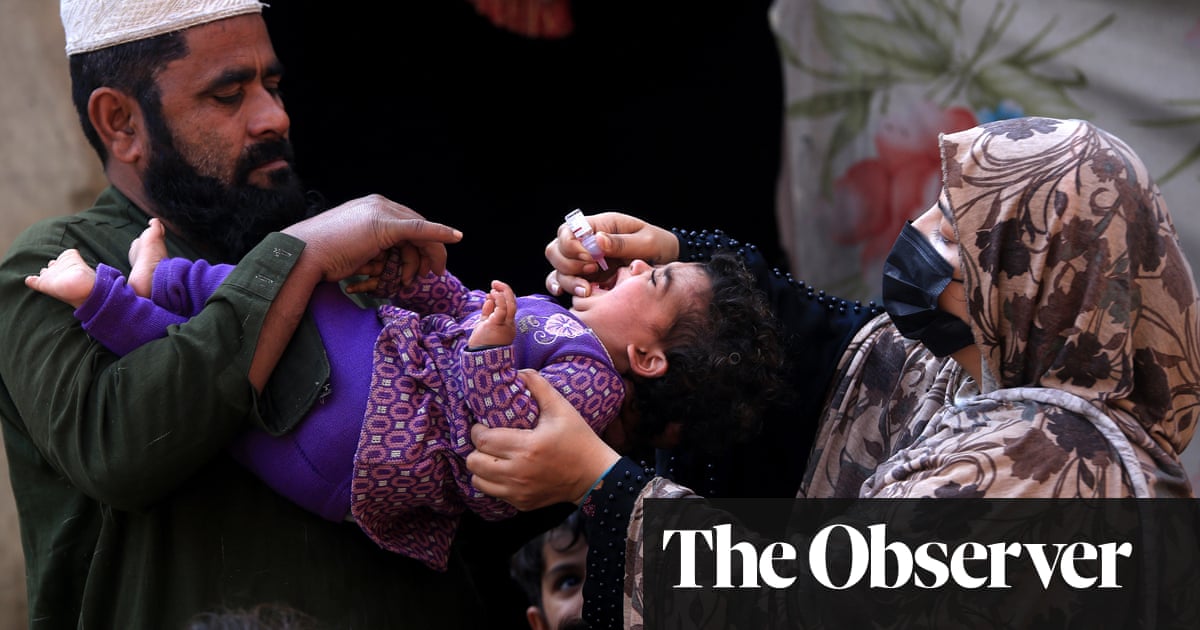
The world is on the brink of eradicating polio, with no confirmed cases of wild polio reported so far this year. Efforts to vaccinate and secure funding must continue to ensure the complete eradication of the disease, with the last cases reported on the borders of Pakistan and Afghanistan. The UK government is urged to maintain funding for the Global Polio Eradication Initiative, as the absence of confirmed cases is "really encouraging" but the campaign needs to aggressively close any immunization gaps. Failure to eradicate polio in these last two endemic countries could lead to a global resurgence, with the potential for 200,000 new cases annually within 10 years.

A study released by the Lancet medical journal revealed that the number of obese people worldwide has surpassed one billion, more than quadrupling since 1990, with the epidemic particularly affecting poorer countries and growing among children and adolescents faster than adults. The rise past one billion people has come "much earlier than anticipated," according to the World Health Organization. The chronic illness is linked to a greater risk of death from heart disease, diabetes, and certain cancers, and has been exacerbated by the fast lifestyle changes in low and middle-income countries. The WHO has called for preventive measures such as diet, physical activity, and adequate care, as well as cooperation from the private sector to address the health impacts of their products.

Dr. Paul Farmer, a global health pioneer, emphasized the concept of accompaniment in clinical care, focusing on the moral responsibility of caregivers to be present and committed to their patients. His work with Partners In Health institutionalized this model, providing social care for those in need. Farmer's enduring example continues to inspire others to pursue global health work, and his legacy lives on through the everyday work of Partners In Health and the Department of Global Health and Social Medicine at Harvard Medical School.
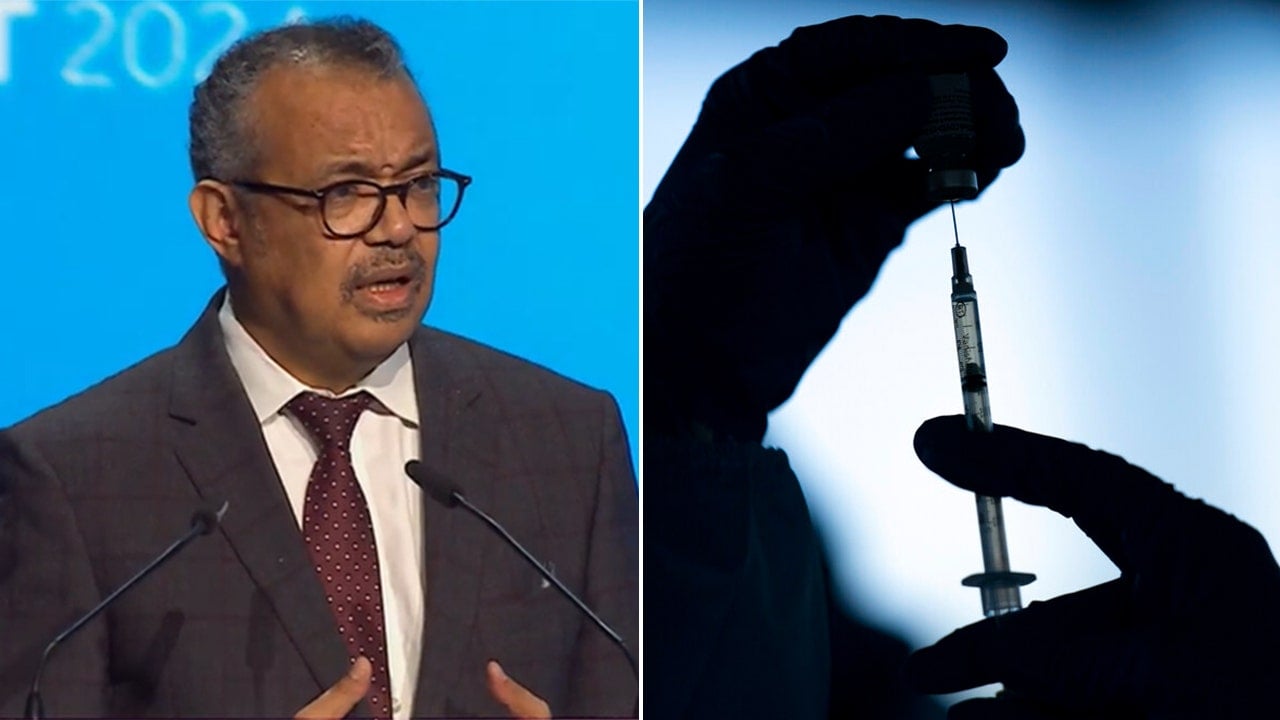
WHO Director-General Tedros Ghebreyesus warns that the outbreak of Disease X is a matter of when, not if, and urges global leaders to prepare for a new pathogen and pandemic. He emphasizes the urgent need for a global treaty to strengthen pandemic preparedness, dismissing suspicions of it being a WHO power grab as unfounded. Disease X is a hypothetical virus that could be 20 times deadlier than COVID-19, and Tedros stresses the importance of learning from the lessons of COVID-19 to prevent future pandemics.

Hypertension, the world's leading killer, is a neglected pandemic that claims over 10 million lives annually. Despite the availability of inexpensive generic drugs and preventive measures, only a fraction of those in need receive treatment. Improving global hypertension control to 50% could prevent 2 million deaths annually and save billions of dollars. Governments, multilateral agencies, and private donors must mobilize progress, with a focus on strengthening primary health care and providing free medications conveniently to all patients. The biggest health breakthrough of 2024 would be effectively treating 100 million more people for hypertension.

The World Health Organisation (WHO) has reported over 7 million recorded Covid-19 fatalities, but suggests the actual death toll may be closer to 21 million, with under-reporting and long-term impacts contributing to the discrepancy. Concerns about under-reporting of cases and deaths persist, complicating efforts to measure the true impact of the virus. Additionally, experts warn of a recent surge in infections and deaths, driven by factors such as waning immunity, emergence of new variants, and increased travel and gatherings. Long Covid remains a challenge, with ongoing research needed to understand and treat the condition.
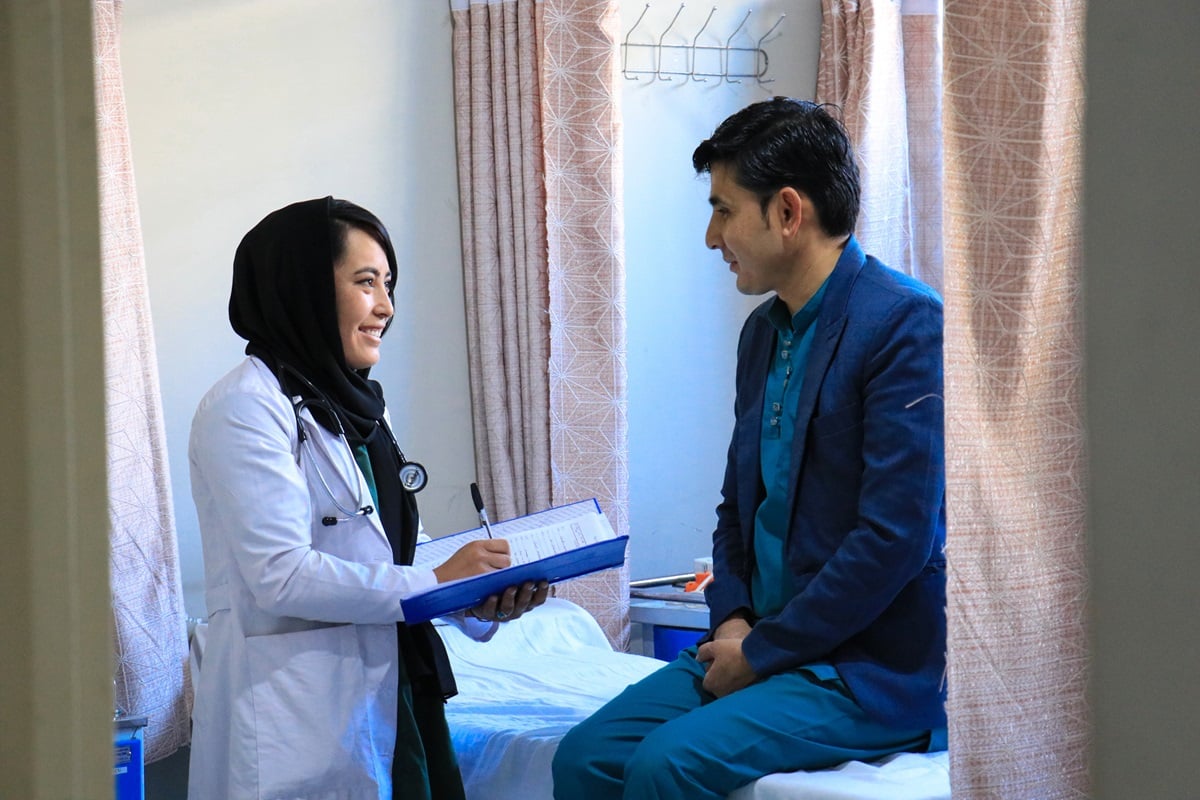
The World Health Organization's cancer agency, the International Agency for Research on Cancer, released estimates of the global burden of cancer, revealing a growing need for cancer services and inequities in access to care. In 2022, there were 20 million new cancer cases and 9.7 million deaths, with lung, breast, and colorectal cancers being the most common types. The burden of cancer disproportionately affects underserved populations, and the projected increase in cancer cases by 2050 highlights the urgent need for global action to address cancer inequities and ensure access to quality care for all.
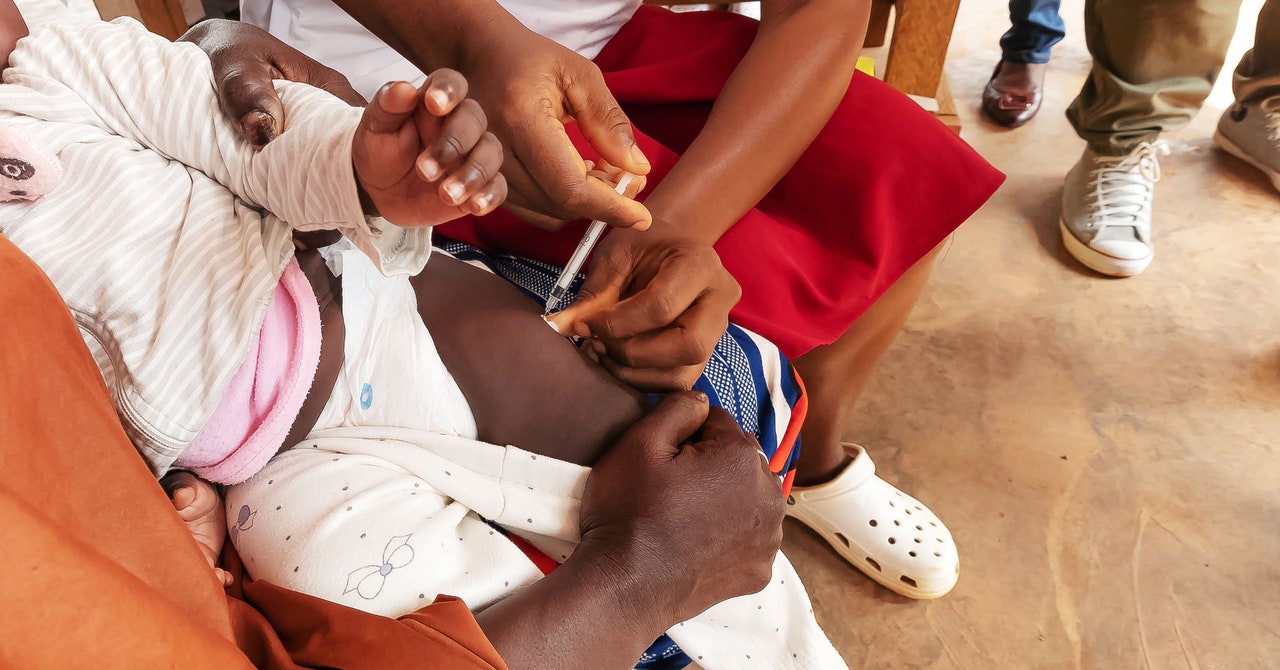
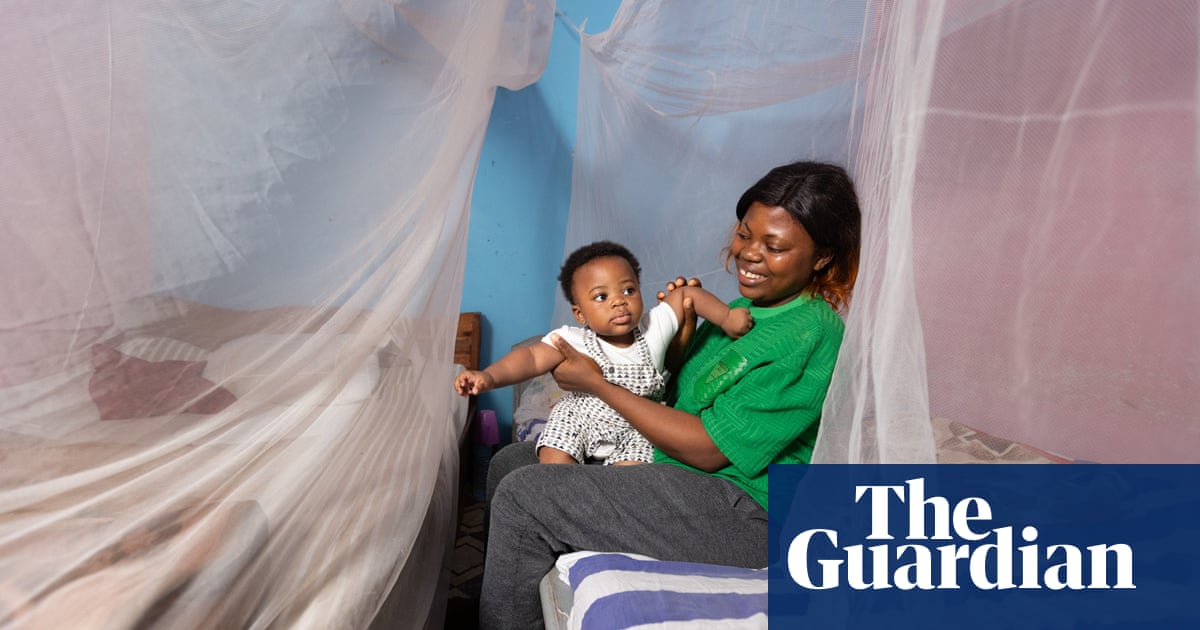
The world's first routine childhood malaria immunizations using the RTS,S vaccine are starting in Cameroon, with plans to expand to 12 African countries. The vaccine, targeting the malaria parasite, aims to reduce the disease's impact on healthcare systems and children's well-being. Despite previous efforts, malaria still claims many lives in Africa, particularly among young children. The vaccine rollout is expected to save lives, but its delayed official recommendation has drawn criticism for potentially contributing to preventable deaths.
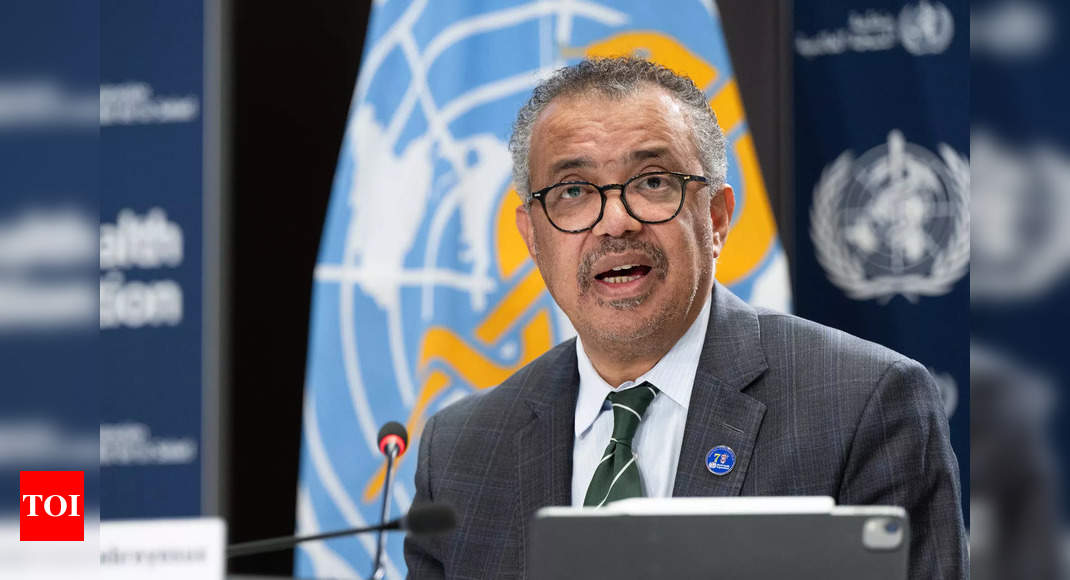
The WHO warns of a potential pandemic 20 times deadlier than Covid-19, referred to as "Disease X," urging countries to endorse a pandemic treaty to prepare for this hypothetical but dangerous pathogen. Disease X represents an unidentified virus that could be significantly more lethal than Covid-19, and the WHO stresses the need for readiness and global cooperation to combat future pandemics. The organization has proposed strategies to strengthen surveillance, develop vaccines, enhance public health measures, and build resilience in preparation for the emergence of Disease X.

Disease X is a hypothetical novel infectious agent that could pose a serious threat to humans in the future. Global health experts discussed the importance of preplanning for such outbreaks at the World Economic Forum in Davos, emphasizing the need for international cooperation, research, and development. The WHO has warned that Disease X could result in 20 times more fatalities than COVID-19 and has already started implementing measures to prepare for another outbreak, including a pandemic fund and technology transfer hub. While some social media accounts have sparked conspiracy theories about Disease X, the WHO maintains that preparing for such a potential threat is crucial given the limited resources for disease research and development.