
Penn Emerita Faces Disorderly Conduct Charge After Blocking Delivery Robot
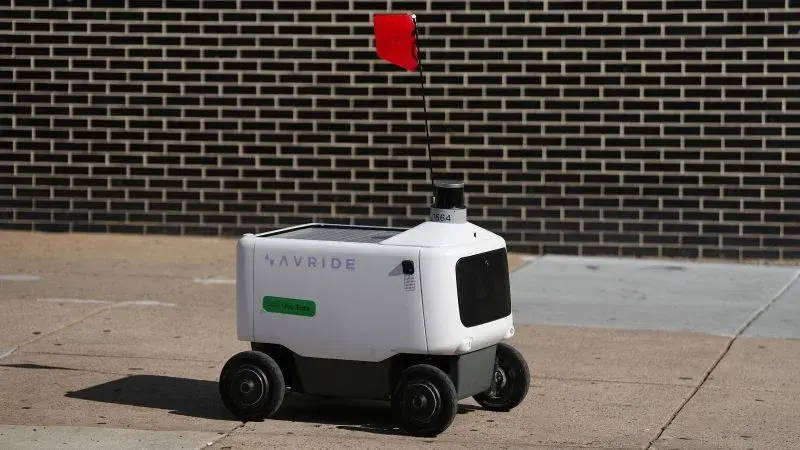
Carolyn Marvin, a 78-year-old retired University of Pennsylvania communications professor, was arrested for disorderly conduct after refusing to move from the path of an Uber Eats delivery robot in Philadelphia. The incident, which occurred on October 14, marks the first time police have intervened in her ongoing protests against autonomous delivery systems. Marvin, who has been blocking these wheeled robots since March, cites her First Amendment rights to protest corporate displacement of human workers and privacy concerns. She plans to contest the charge and intends to continue her demonstrations, viewing them as a necessary civic engagement to make the impact of technology on public space visible.
Key points
- Marvin was arrested on October 14 after refusing to move from the path of an Uber Eats robot near Reading Terminal Market.
- Police responded to a report of criminal mischief and issued a disorderly conduct citation after she ignored commands to step aside.
- Marvin has been blocking delivery robots since March, delaying them for up to 15 minutes to protest the displacement of low-income delivery workers.
- She argues that her actions are a protected form of speech under the First Amendment, as she is impeding a machine rather than a person.
- Marvin plans to contest the charge and continue her protests, stating she will now watch for police presence during future demonstrations.
Background
This incident follows the launch of Uber Eats' self-driving robot fleet in Philadelphia in March 2026, making it the fourth city to offer this service. The deployment has sparked broader debates about the legal status of autonomous devices, particularly after the Pennsylvania legislature passed a law in 2020 classifying these robots as pedestrians rather than vehicles. This legal framework requires cars to yield to delivery robots, a provision that Marvin argues prioritizes machinery over human rights in public spaces. Her protests align with previous activism on civil rights and labor issues, reflecting a long-standing concern about corporate encroachment on public domains.
Why it matters
The arrest highlights a growing tension between traditional public space rights and the legal protections afforded to autonomous technology. By treating delivery robots as pedestrians, current laws create a hierarchy where machines can block human movement, raising questions about the balance between technological advancement and civic liberty. Marvin's case serves as a test of whether First Amendment protections extend to physical obstruction of automated systems, potentially setting a precedent for future protests against the expansion of AI and robotics in urban environments.
What to watch
Marvin intends to contest the disorderly conduct charge in court, arguing that her actions constitute protected speech. She plans to continue blocking delivery robots when convenient, though she will now be more vigilant about police presence. The case may lead to further legal scrutiny of the 2020 Pennsylvania law that classifies delivery robots as pedestrians, potentially prompting legislative reviews of how autonomous devices are regulated in public spaces.
Want the full story? Read the original reporting
Read on CNN