
Trump’s Shift on Chinese Auto Plants Sparks Industry Backlash and Supply Chain Irony
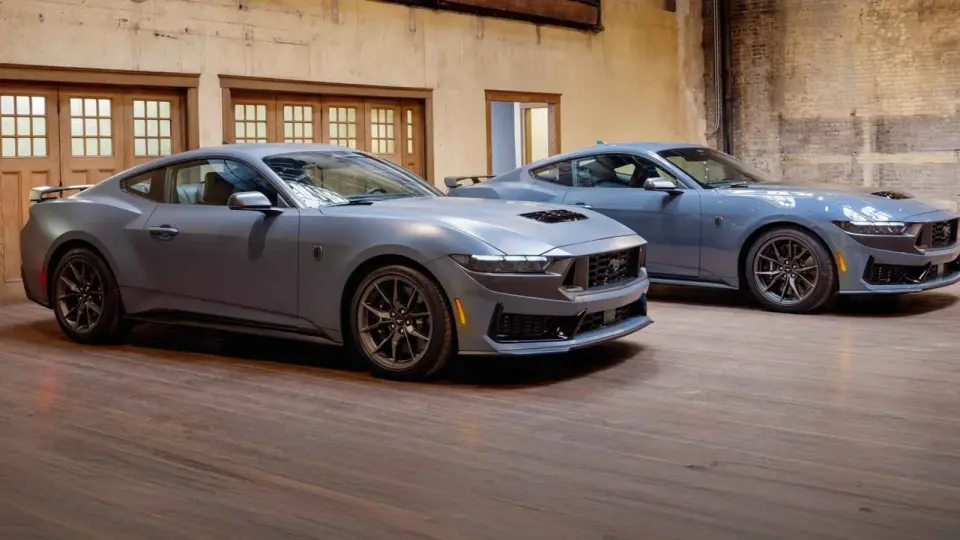
President Donald Trump has signaled openness to Chinese automakers entering the U.S. market if they build plants and hire American workers, a reversal from previous restrictions. This shift has prompted strong opposition from U.S. automakers and lawmakers, who argue that Chinese competition threatens domestic production. The debate is complicated by the fact that major U.S. brands like Ford maintain significant partnerships with Chinese technology firms, undermining their calls for strict exclusion.
Key points
- On September 11, Trump stated he would be 'okay' with Chinese brands building cars in the U.S. if they opened manufacturing plants and hired U.S. workers, citing Japan's model.
- U.S. Senator Elissa Slotkin called the potential entry of Chinese brands a 'strategic mistake,' while the Alliance for Automotive Innovation, representing Ford, GM, and others, has lobbied for legislation to ban Chinese vehicles.
- Ford, despite opposing Chinese competition, has faced criticism from Transportation Secretary Sean Duffy for facilitating Chinese joint ventures on U.S. soil and maintaining partnerships with battery giant CATL.
- Analyst John Murphy predicts that Chinese brands will not enter the U.S. market by 2030 due to current 100% tariffs and upcoming Commerce Department bans on vehicles with Chinese technology.
- Murphy forecasts that between five and 10 current U.S. auto brands could disappear over the next decade, with Polestar, Maserati, Alfa Romeo, Jaguar, and Fiat identified as the most at risk.
Background
This development follows a series of policy shifts regarding Chinese automakers. In August 2026, U.S. automakers accelerated their retreat from China as Chinese brands expanded globally. In September 2026, the Alliance for Automotive Innovation pushed Congress to permanently ban Chinese connected vehicles and technology. Trump's latest comments come ahead of a scheduled meeting with Chinese President Xi Jinping in Washington, D.C., and follow his earlier Fox News remarks about allowing Chinese carmakers to build in the U.S. if they hire American workers.
How outlets are covering it
AutoNotion emphasizes the irony of U.S. automakers like Ford opposing Chinese entry while maintaining deep supply chain ties with Chinese firms such as CATL. The outlet highlights the contradiction between Ford's public stance and its private partnerships. CNBC, through analyst John Murphy, offers a more skeptical view of Chinese market entry, arguing that current tariffs and legislative barriers make it unlikely before 2030. Murphy focuses on the broader market impact, predicting a 'product desert' in EV rollouts and a surge in hybrid sales, rather than the political contradictions highlighted by AutoNotion.
Why it matters
The potential entry of Chinese automakers into the U.S. market could reshape the competitive landscape, threatening domestic brands and influencing trade policy. The debate highlights the tension between protectionist trade measures and the reality of globalized supply chains, where U.S. companies rely on Chinese technology and partnerships. This could impact employment, manufacturing investment, and the future of electric and hybrid vehicle adoption in the U.S.
What to watch
Trump is set to meet with Chinese President Xi Jinping in Washington, D.C., in the coming weeks, which may influence the final stance on Chinese auto entry. The Commerce Department is expected to enforce bans on vehicles with Chinese technology starting next year. U.S. automakers and lawmakers will likely continue lobbying against Chinese market access, while analysts will monitor the impact on hybrid and EV sales through 2030.
- President Donald Trump is Now "Okay" with Chinese Automakers Coming to the U.S., But Brands Like Ford Are Begging Him Not To, Which is Quite Ironic Autonocion.com
- U.S. auto market predictions for 2030: More hybrids, no Chinese entrants CNBC
- Trump says he would allow Chinese automakers to build cars in US The Hill
- Trump says he would be OK with China building cars in US Reuters
- Trump says he is open to China building cars in U.S. as Xi visit looms Automotive News
Want the full story? Read the original reporting
Read on Autonocion.com