Tag

Automotive Policy

All articles tagged with #automotive policy

US Lawmakers Finalize Chinese Car Ban with Loophole for Mercedes-Benz
politics-and-business6 days ago

US Lawmakers Finalize Chinese Car Ban with Loophole for Mercedes-Benz

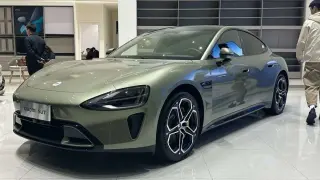
US Congress is nearing a deal to ban Chinese-made cars and connected vehicles in the US during the lame-duck session. The legislation aims to protect domestic auto plants but includes a compromise to spare Mercedes-Benz, which faces exclusion due to its 20% Chinese ownership stake. The bill would allow sales if Chinese ownership is passive and lacks voting power.


Toyota Revives Scion with 25-MPH Kei Truck for US Fleet Market
business15 days ago

Toyota Revives Scion with 25-MPH Kei Truck for US Fleet Market

Toyota is relaunching the Scion brand with the KEI-01, an ultra-compact truck designed for low-speed vehicle standards. The vehicle will be assembled in Indiana starting in late 2027, initially targeting fleet customers. President Trump has publicly endorsed such small vehicles as a solution to high car prices, though federal safety standards remain unchanged.

Geely Enters Canada in 2027 as Chinese EVs Flood Market Under 6.1% Tariff
automotive-policy1 month ago

Geely Enters Canada in 2027 as Chinese EVs Flood Market Under 6.1% Tariff

Geely Auto Group has officially entered the Canadian market, planning to launch its first vehicles in 2027. This move follows Canada's March 2026 decision to slash tariffs on Chinese electric vehicles from 16.1% to 6.1% and establish a 49,000-unit import quota. While Geley builds local infrastructure, the U.S. has retaliated with a 50% tariff on Canadian vehicles, leaving American consumers without access to these affordable Chinese EVs.

NHTSA Launches Negotiated Rulemaking to Overhaul US Headlight Standards
automotive-policy1 month ago

NHTSA Launches Negotiated Rulemaking to Overhaul US Headlight Standards

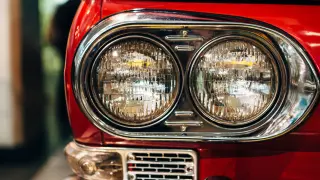
The National Highway Traffic Safety Administration (NHTSA) has initiated a negotiated rulemaking process to rewrite Federal Motor Vehicle Safety Standard No. 108, which governs vehicle lighting. The primary goals are to modernize regulations to accommodate advanced technologies like adaptive LEDs and to address rising complaints about headlight glare. This marks the first use of a negotiated rulemaking process for this standard in over 25 years, involving up to 18 stakeholders appointed by Transportation Secretary Sean Duffy. The current rules, largely unchanged since 1997, have lagged behind global standards, hindering the adoption of safety-improving lighting technologies in the US.

New CAFE Rules Redefine 'Trucks' by Utility, Not Size
automotive-policy1 month ago

New CAFE Rules Redefine 'Trucks' by Utility, Not Size

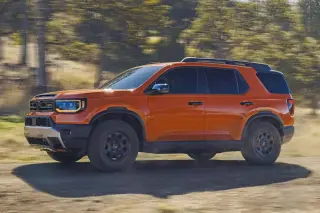
The Trump administration has finalized a major overhaul of Corporate Average Fuel Economy (CAFE) standards, replacing outdated 1975 definitions for 'light trucks' with a new performance-based metric. Starting in model year 2030, vehicles will be classified as trucks only if their combined towing and payload capacity exceeds 8,500 pounds. This change aims to close a loophole that allowed many crossovers to avoid stricter passenger car efficiency rules, potentially forcing automakers to improve fuel economy in the midsize SUV segment.

Trump slashes US fuel efficiency targets to 34.5 mpg, reversing Biden EV push
automotive-industry-news2 months ago

Trump slashes US fuel efficiency targets to 34.5 mpg, reversing Biden EV push

US President Donald Trump has approved new Corporate Average Fuel Economy (CAFE) standards that significantly lower vehicle efficiency requirements, effectively reversing policies that incentivized electric vehicle adoption. The new rules aim to reduce car prices and encourage domestic manufacturing, though critics argue they lag behind global trends.

energy-and-climate2 months ago

Trump slashes auto fuel standards to 34.5 mpg, gutting EV mandates

President Trump approved new Corporate Average Fuel Economy (CAFE) standards on September 26, 2026, slashing efficiency targets for passenger vehicles by nearly one-third. The new rules lower the fleetwide average requirement to 34.5 miles per gallon by model year 2031, replacing Biden-era mandates that demanded 50.4 mpg. This move effectively ends federal incentives for electric vehicle adoption, though its impact is limited by recent legislation that removed penalties for non-compliance.

Trump’s Shift on Chinese Auto Plants Sparks Industry Backlash and Supply Chain Irony
automotive-policy2 months ago

Trump’s Shift on Chinese Auto Plants Sparks Industry Backlash and Supply Chain Irony

President Donald Trump has signaled openness to Chinese automakers entering the U.S. market if they build plants and hire American workers, a reversal from previous restrictions. This shift has prompted strong opposition from U.S. automakers and lawmakers, who argue that Chinese competition threatens domestic production. The debate is complicated by the fact that major U.S. brands like Ford maintain significant partnerships with Chinese technology firms, undermining their calls for strict exclusion.

"2024 Update: The 5 EVs That Still Qualify for the Full $7,500 Federal Tax Credit"
automotive-policy2 years ago

"2024 Update: The 5 EVs That Still Qualify for the Full $7,500 Federal Tax Credit"

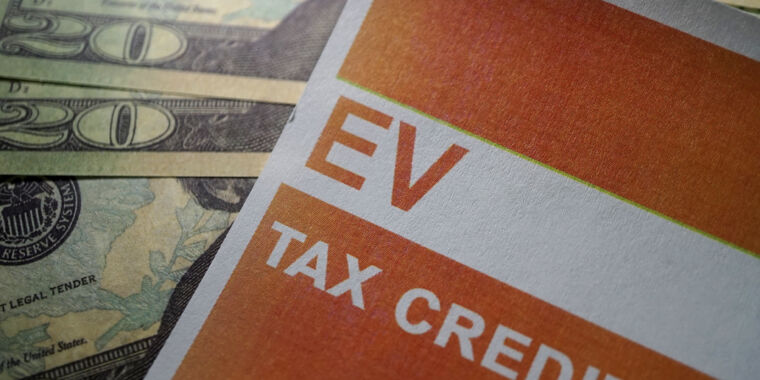
Starting in 2024, new U.S. Treasury Department rules have significantly reduced the number of electric vehicles (EVs) eligible for the clean vehicle tax credit due to strict battery sourcing requirements that exclude materials from "foreign entities of concern," particularly China. The updated guidelines allow for a tax credit of up to $7,500, with conditions such as North American final assembly, income and price caps for buyers, and domestic sourcing for battery components. A limited list of EVs still qualify for the full or partial credit, and dealers can now offer the credit at the point of purchase for both new and used EVs.