
NHTSA Escalates Tesla Cybercab Probe to Sworn Legal Demand
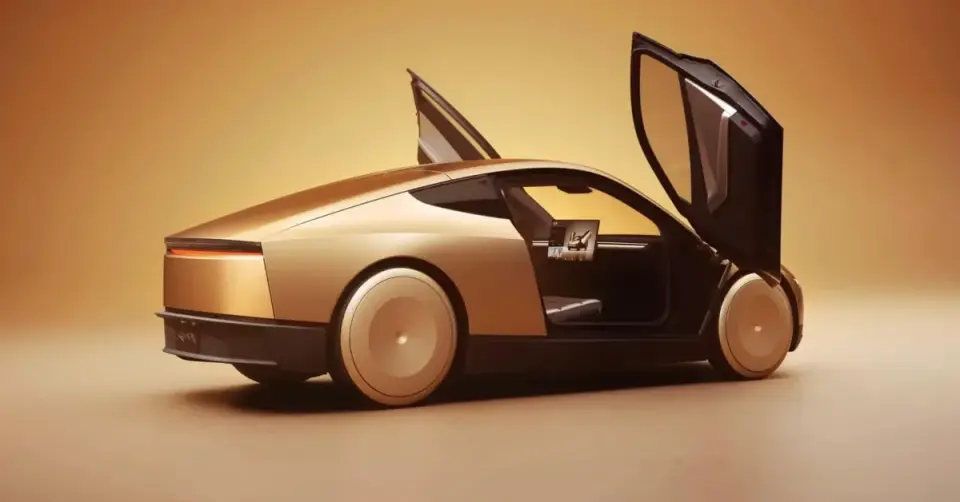
The National Highway Traffic Safety Administration (NHTSA) has issued a formal Special Order demanding Tesla prove under oath that its steering-wheel-less Cybercab complies with federal safety standards. The agency challenges Tesla’s self-certification, noting that current laws require foot brakes and mirrors, which the vehicle lacks. While NHTSA has proposed rule changes for autonomous vehicles, those amendments are not yet law. Tesla faces potential penalties of up to $139 million for non-compliance or false statements, contrasting with competitors like Amazon’s Zoox, which secured specific exemptions for similar technology.
Key points
- NHTSA issued a 21-point Special Order on September 10, requiring Tesla to respond by September 30 under penalty of perjury.
- The order questions how a vehicle without a steering wheel, pedals, or mirrors can meet Federal Motor Vehicle Safety Standards (FMVSS) designed for human drivers.
- Tesla’s response must be signed by a responsible officer; falsifying information carries criminal penalties including up to 15 years in prison.
- NHTSA notes that while it proposed amending the foot-brake rule in June, the current law still mandates foot controls for service brakes.
- Tesla lacks the Part 555 exemption that Amazon’s Zoox obtained to legally operate similar driverless pods in the U.S.
Background
This escalation follows an initial Audit Query opened by NHTSA in early September, shortly after Tesla began limited commercial service in Austin. Previous coverage indicated that Tesla had rolled out approximately 1,000 Cybercabs, triggering a significant drop in stock prices due to regulatory uncertainty. The current Special Order represents a step up from a simple request for information to a legal demand with severe financial and criminal consequences for non-compliance.
How outlets are covering it
Electrek emphasizes the legal severity of the Special Order, highlighting the risk of criminal penalties and the contrast with Zoox’s successful exemption route. Curbed focuses on the operational reality, noting that Cybercabs in New York City are currently equipped with steering wheels and human drivers to comply with state laws, suggesting a strategy to acclimate the public before deploying fully driverless units. Seeking Alpha frames the situation as a major failure for Tesla, implying that the regulatory backlash could have broader negative implications for the company’s stock and reputation. While Electrek and Curbed focus on the regulatory and operational discrepancies, Seeking Alpha interprets the event as a fundamental strategic misstep.
Why it matters
This case sets a precedent for how autonomous vehicles without traditional controls will be regulated in the U.S. If Tesla cannot prove compliance under current laws, it may face significant fines or be forced to halt operations. The outcome will influence whether other manufacturers pursue exemptions or attempt to self-certify driverless vehicles, potentially reshaping the legal landscape for autonomous transportation in the coming years.
What to watch
Tesla must submit its sworn response to the NHTSA Special Order by September 30. The agency will then review whether Tesla’s certification was valid or if the company violated federal safety standards. Meanwhile, NHTSA is expected to continue its process of finalizing amendments to FMVSS 135 regarding foot brakes for automated vehicles, which could eventually allow such cars to be sold without a Part 555 exemption.
- NHTSA orders Tesla to prove its Cybercab is legal to sell, under oath Electrek
- Regulators Press Tesla on Whether Cybercab May Have Option for Human Control WSJ
- Tesla: The Cybercab Failure Is Worse Than You Think (NASDAQ:TSLA) Seeking Alpha
- The Tesla Cybercabs Are Less Cyber Than They Seem Curbed
- US agency orders Tesla to answer questions on Cybercab certification reuters.com
Want the full story? Read the original reporting
Read on Electrek