Tag

Nhtsa

All articles tagged with #nhtsa

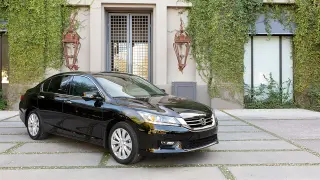
Honda and Toyota Recall 1.6 Million Vehicles for Aging Takata Airbag Inflators
automotive-safety17 hours ago

Honda and Toyota Recall 1.6 Million Vehicles for Aging Takata Airbag Inflators

Honda and Toyota are recalling approximately 1.6 million vehicles globally to replace front airbag inflators made by Takata. The recalls address potential propellant degradation caused by long-term exposure to high humidity and temperature fluctuations, which could cause the inflators to rupture and send metal fragments into the cabin. No injuries or ruptures have been reported for the specific vehicles in this recall, but the parts have reached the end of their safe service life. Honda is recalling 810,592 vehicles in the U.S., while Toyota is recalling 790,000 vehicles worldwide, including 314,029 in the U.S. Dealers will replace the inflators free of charge, with owner notifications beginning in late December 2026.
Waymo files NHTSA recalls for freeway and traffic control flaws after California ban
technology1 day ago

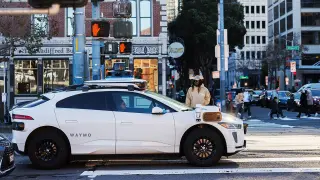
Waymo files NHTSA recalls for freeway and traffic control flaws after California ban

Waymo has issued two voluntary safety recalls to the National Highway Traffic Safety Administration (NHTSA) to address software issues involving closed freeway lanes and manual traffic control. These recalls follow a recent California ban on Waymo’s driverless vehicles on state highways due to safety concerns. The company states that no injuries have resulted from the specific issues cited in the recalls, and the vehicles do not need to be taken off the road immediately. Waymo continues to operate on surface streets while it works to resolve the technical problems.

Honda and Toyota Recall 1.6 Million Vehicles for Aging Takata Airbag Inflators
automotive-safety2 days ago

Honda and Toyota Recall 1.6 Million Vehicles for Aging Takata Airbag Inflators

Honda and Toyota are recalling approximately 1.6 million vehicles globally to replace front passenger airbag inflators made by Takata. The recalls address potential propellant degradation caused by long-term exposure to high humidity and temperature fluctuations, which could cause the inflators to rupture and send metal fragments into the cabin. No injuries or ruptures have been reported for the specific vehicles in this recall, but the parts have reached the end of their safe service life. Honda is recalling 810,592 vehicles in the U.S., while Toyota is recalling 790,000 vehicles worldwide, including 314,029 in the U.S. Dealers will replace the inflators free of charge, with owner notifications beginning in late December 2026.
Toyota Recalls 314,000 Vehicles for Aging Takata Airbags

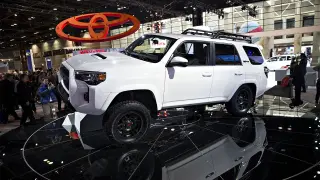
Toyota Recalls 314,000 Vehicles for Aging Takata Airbags

Toyota is recalling 314,029 U.S. vehicles from 2002 to 2017 due to a potential defect in front passenger airbag inflators. The inflators, originally made by Takata, may rupture and send metal fragments into the cabin if deployed. No injuries or ruptures have been reported for this specific batch, but the parts have reached the end of their safe service life. Dealers will replace the inflators or entire airbag assemblies free of charge, with owner notifications beginning December 28.

Tesla Confirms Autopilot Was Active in Fatal El Dorado Hills Crash That Killed Three
technology7 days ago

Tesla Confirms Autopilot Was Active in Fatal El Dorado Hills Crash That Killed Three

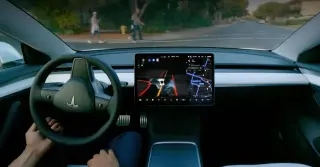
A 2024 Tesla Model Y left the road in El Dorado Hills, California, on September 12, 2026, killing three occupants and injuring a fourth. Tesla’s report to the National Highway Traffic Safety Administration confirms that its driver-assist system was engaged and the vehicle was traveling at 74 mph before impact. While local media covered the fiery crash, they did not mention the use of driver-assist technology. Tesla redacted key details from its regulatory filing, including the narrative of the event and the software version, citing confidential business information. The California Highway Patrol is still investigating the cause, with no public data released on impairment or the specific reason the car left the roadway.

NHTSA Orders 720,796 BMWs Parked Outside Over Persistent Water Pump Fire Risk

NHTSA Orders 720,796 BMWs Parked Outside Over Persistent Water Pump Fire Risk

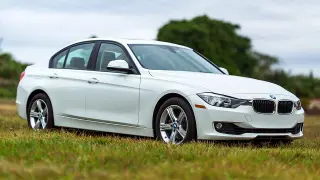
The National Highway Traffic Safety Administration (NHTSA) has issued a new recall for 720,796 BMW vehicles from model years 2012 to 2018 due to a fire risk caused by an improperly sealed electrical connector on the water pump. Owners are advised to park affected vehicles outside, away from buildings, until a repair is available. This is the second recall for these models, following a 2024 water pump issue, and involves approximately 10 reported incidents in the US with no injuries or crashes. BMW is still developing a fix, with owner notifications expected to begin on December 25, 2026.

BMW Issues Park-Outside Recall for 721K Vehicles Over Fire Risk

BMW Issues Park-Outside Recall for 721K Vehicles Over Fire Risk

BMW of North America has issued a park-outside recall for 720,796 vehicles due to a fire risk caused by an improperly sealed electrical connector on the water pump. Owners must park affected cars outside, away from buildings, until a free repair is available. The issue affects models from 2012 to 2018, including the 3 Series, 5 Series, X3, and X5. BMW is aware of approximately 10 related incidents in the US, though no injuries or crashes have been reported. Notification letters will begin mailing on December 25, 2026.

NHTSA Proposes Cyan Lights to Standardize Autonomous Vehicle Identification
transportation29 days ago

NHTSA Proposes Cyan Lights to Standardize Autonomous Vehicle Identification

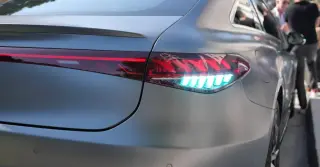
The National Highway Traffic Safety Administration (NHTSA) has proposed a new federal standard requiring cyan-colored marker lights to signal when a vehicle is operating autonomously. The draft rule, which updates Federal Motor Vehicle Safety Standard 108, aims to create a uniform visual cue for law enforcement and other road users, distinguishing driverless operation from human-controlled driving. While the lights are optional for manufacturers, the proposal also removes certain traditional safety requirements, such as physical turn signal levers and specific headlight configurations, for vehicles without steering wheels or pedals. This move follows similar regulations in China and precedents set by Mercedes-Benz, though it occurs alongside ongoing scrutiny of Tesla’s Cybercab certification.

Regulatory Rollback Fuels V-8 Boom Amid Legal Challenges and Consumer Cost Debates
automotive1 month ago

Regulatory Rollback Fuels V-8 Boom Amid Legal Challenges and Consumer Cost Debates

The U.S. government has lowered fuel economy targets to 34.9 miles per gallon by 2031, a significant drop from the previous 50.4 mpg goal. This change, coupled with the elimination of compliance fines, is expected to save automakers billions in costs and shift production toward high-margin pickup trucks and V-8 engines. While the administration claims this will lower vehicle prices, critics argue it will increase long-term fuel costs for consumers. A coalition of 26 states has filed a lawsuit challenging the rule's legality.

Mercedes-Benz expands brake hose recall to 30,000 luxury sedans
automotive1 month ago

Mercedes-Benz expands brake hose recall to 30,000 luxury sedans

Mercedes-Benz is recalling over 30,000 vehicles from model years 2022 to 2025 due to a front brake hose defect that could leak or rupture, potentially increasing stopping distances. The affected models include the S-Class, Maybach, and AMG S 63 E. Dealers will replace the hoses free of charge, with owner notifications expected in late November. This action follows a previous recall last year and is based on continued monitoring of the issue in the U.S. and international markets.

NHTSA Launches Negotiated Rulemaking to Overhaul US Headlight Standards
automotive-policy1 month ago

NHTSA Launches Negotiated Rulemaking to Overhaul US Headlight Standards

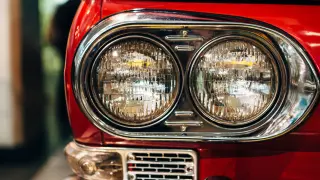
The National Highway Traffic Safety Administration (NHTSA) has initiated a negotiated rulemaking process to rewrite Federal Motor Vehicle Safety Standard No. 108, which governs vehicle lighting. The primary goals are to modernize regulations to accommodate advanced technologies like adaptive LEDs and to address rising complaints about headlight glare. This marks the first use of a negotiated rulemaking process for this standard in over 25 years, involving up to 18 stakeholders appointed by Transportation Secretary Sean Duffy. The current rules, largely unchanged since 1997, have lagged behind global standards, hindering the adoption of safety-improving lighting technologies in the US.

NHTSA Launches First Lighting Rulemaking in 25 Years to Address Glare
regulation1 month ago

NHTSA Launches First Lighting Rulemaking in 25 Years to Address Glare

The National Highway Traffic Safety Administration (NHTSA) has announced a modernization of Federal Motor Vehicle Safety Standard No. 108, governing vehicle lighting. This is the first negotiated rulemaking for lighting in over 25 years, aiming to balance safety with new technology adoption. The agency will convene a committee of up to 18 stakeholders to review glare, LED standards, and international harmonization. Public comments are due by November 9, 2026. While consumer frustration over glare is high, crash data shows glare contributes to a small percentage of nighttime accidents.

Tesla Robotaxis Face Nighttime Blind Spot as Musk Acknowledges Struggle to Detect Pets
technology1 month ago

Tesla Robotaxis Face Nighttime Blind Spot as Musk Acknowledges Struggle to Detect Pets

Elon Musk admitted that Tesla's camera-only robotaxis struggle to detect pets at night, specifically citing the difficulty of seeing 'grey kittens on grey tarmac.' While Austin operating hours have been extended to 11 p.m., critics argue that Tesla's refusal to use LiDAR or radar leaves its vehicles vulnerable in low-light conditions, a concern highlighted by recent fatal crashes and regulatory scrutiny.

New CAFE Rules Redefine 'Trucks' by Utility, Not Size
automotive-policy1 month ago

New CAFE Rules Redefine 'Trucks' by Utility, Not Size

The Trump administration has finalized a major overhaul of Corporate Average Fuel Economy (CAFE) standards, replacing outdated 1975 definitions for 'light trucks' with a new performance-based metric. Starting in model year 2030, vehicles will be classified as trucks only if their combined towing and payload capacity exceeds 8,500 pounds. This change aims to close a loophole that allowed many crossovers to avoid stricter passenger car efficiency rules, potentially forcing automakers to improve fuel economy in the midsize SUV segment.