
China's 4.3 Million Vehicle Recall Targets Tesla's Hidden Door Handles
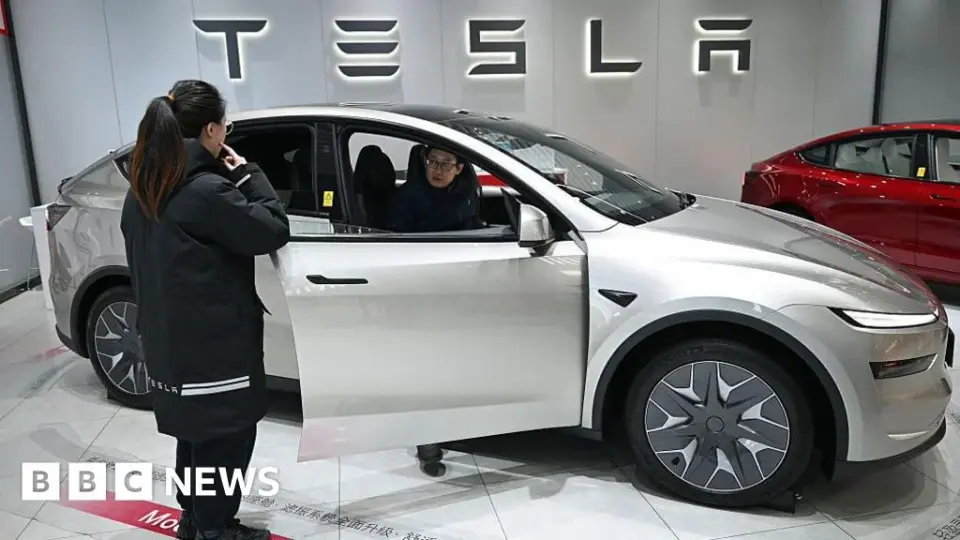
China has ordered the largest car recall in its history, affecting over 4.3 million vehicles, primarily Teslas, due to safety concerns with hidden door handles. The recall, announced by the State Administration for Market Regulation (SAMR), requires manufacturers to add warning labels and software updates to improve emergency egress. This move precedes new regulations banning hidden handles on new cars from January 2027, driven by incidents where electronic failures trapped occupants in crashes.
Key points
- SAMR ordered a recall of over 4.3 million vehicles, with Tesla accounting for nearly 3 million of them, including Model 3, Model Y, Model S, and Model X models.
- The recall targets hidden door handles that may be difficult to locate or operate in emergencies, potentially hindering rescue efforts or escape after a crash.
- Remedies include adding high-visibility warning labels inside doors to indicate mechanical release locations and software updates that lower windows automatically after a crash.
- China will ban hidden door handles on new car sales starting January 1, 2027, requiring mechanical release mechanisms on both the inside and outside of doors.
- Other affected manufacturers include Xiaomi, XPeng, Geely, and Leapmotor, with Xiaomi facing scrutiny after fatal crashes in 2025 where occupants were allegedly trapped due to electronic failures.
Background
This recall follows a trend of increasing safety concerns regarding electronic components in electric vehicles (EVs). Previous archive coverage noted a surge in 'parked-car fires' due to overheating electronics, highlighting broader risks associated with increased vehicle complexity. Additionally, China's move to ban hidden handles is ahead of similar regulations in the US and EU, reflecting the country's massive EV market share and proactive stance on road safety. The recall also aligns with global scrutiny of Tesla's door designs, including lawsuits in the US over trapped occupants in Cybertruck crashes.
How outlets are covering it
BBC and Ars Technica both confirm the scale of the recall and the specific remedies (labels and software updates). However, BBC provides deeper context on the safety incidents, such as the Xiaomi SU7 crashes and US lawsuits, while Ars Technica focuses more on the regulatory action and Tesla's response. BBC also highlights the global implications, noting that China's regulations may influence standards elsewhere, whereas Ars Technica does not elaborate on international regulatory trends. Both sources agree on the core issue: hidden handles pose a safety risk in emergencies, but BBC offers more detail on the human impact and industry debate over the adequacy of the fixes.
Why it matters
This recall underscores the growing tension between EV design aesthetics and safety, particularly as electronic components replace traditional mechanical systems. It signals a shift in regulatory priorities, with China taking a lead in mandating physical safety features. For consumers, it raises concerns about the reliability of electronic systems in emergencies, while for manufacturers, it may force a redesign of door mechanisms to comply with new standards. The recall also highlights the global nature of EV safety issues, as similar concerns are being addressed in the US and EU.
What to watch
Manufacturers must implement the required warning labels and software updates by the deadline set by SAMR. New regulations banning hidden handles on new cars will take effect in January 2027, forcing a redesign of future models. The US National Highway Traffic Safety Administration is reviewing whether to require emergency door-exit systems, and EU regulators are drafting standards to ensure hidden handles work without power. Tesla and other manufacturers may face further scrutiny if the current remedies are deemed insufficient, potentially leading to additional recalls or design changes globally.
- Why has Tesla been caught up in a massive car recall in China? BBC
- China flexes its auto-safety chops with huge recall of Tesla, other cars Reuters
- Nearly three million Teslas recalled in China over hidden door handles BBC
- Chinese regulators tell Tesla to fix nearly 3 million cars Ars Technica
- Tesla recalls nearly 3M vehicles over doors that may be difficult to open after crashes Fox Business
Want the full story? Read the original reporting
Read on BBC