automotive-safety2 min read
Honda and Toyota recall 1.6 million vehicles for aging Takata airbags
11 hours ago•Source: USA Today
View original source
The latest automotive safety stories, each synthesized from multiple sources with added background and context.
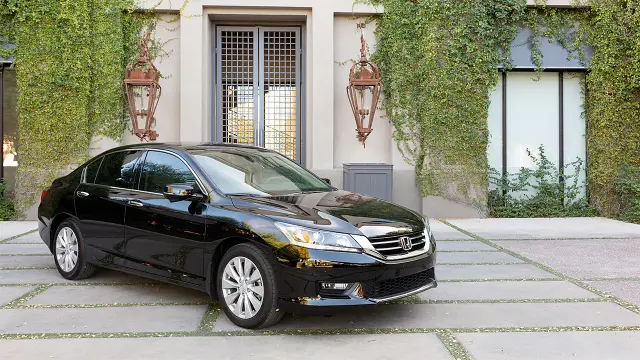
Honda and Toyota are recalling approximately 1.6 million vehicles globally to replace front airbag inflators made by Takata. The recalls address potential propellant degradation caused by long-term exposure to high humidity and temperature fluctuations, which could cause the inflators to rupture and send metal fragments into the cabin. No injuries or ruptures have been reported for the specific vehicles in this recall, but the parts have reached the end of their safe service life. Honda is recalling 810,592 vehicles in the U.S., while Toyota is recalling 790,000 vehicles worldwide, including 314,029 in the U.S. Dealers will replace the inflators free of charge, with owner notifications beginning in late December 2026.
USA Today•4 days ago
Fox Business•4 days ago

The National Highway Traffic Safety Administration (NHTSA) has issued a new recall for 720,796 BMW vehicles from model years 2012 to 2018 due to a fire risk caused by an improperly sealed electrical connector on the water pump. Owners are advised to park affected vehicles outside, away from buildings, until a repair is available. This is the second recall for these models, following a 2024 water pump issue, and involves approximately 10 reported incidents in the US with no injuries or crashes. BMW is still developing a fix, with owner notifications expected to begin on December 25, 2026.
BMW of North America has issued a park-outside recall for 720,796 vehicles due to a fire risk caused by an improperly sealed electrical connector on the water pump. Owners must park affected cars outside, away from buildings, until a free repair is available. The issue affects models from 2012 to 2018, including the 3 Series, 5 Series, X3, and X5. BMW is aware of approximately 10 related incidents in the US, though no injuries or crashes have been reported. Notification letters will begin mailing on December 25, 2026.
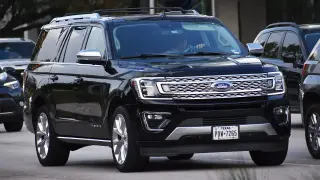
The National Highway Traffic Safety Administration (NHTSA) has launched a preliminary evaluation into 1,236,155 Ford Explorer SUVs from model years 2021 through 2026. Regulators are investigating allegations that seat-mounted side airbags caused second- and third-degree burns to occupants during crashes. The probe follows eight consumer complaints and four early warning reports, including incidents involving law enforcement officers in Police Interceptors. No fatalities have been reported, but 10 injuries were documented in 11 incidents. Ford is cooperating with the investigation, though no recall has been issued yet.
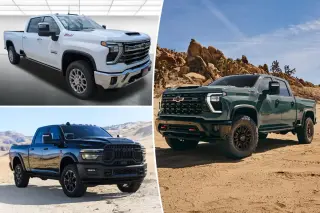
A September 2026 report by Hines Law identifies the Ram 3500 Crew Cab Long Bed 4WD as the most dangerous vehicle for other motorists, despite having a relatively low fatality rate for its own drivers. The study analyzed nearly 200 models, finding that large trucks and SUVs pose significantly higher risks to pedestrians and other drivers due to their weight and size. While the Ram 3500 has 37 own-driver deaths per million vehicle-years, it causes 204 other-driver deaths in the same metric. The report highlights a 'danger gap' where occupants of these vehicles are protected, but others are not. Pedestrians hit by SUVs face a 44% higher death risk than those hit by smaller cars, rising to 82% for children. Although UK experts call for size restrictions, US officials deem such measures unlikely due to cultural preferences for large trucks.
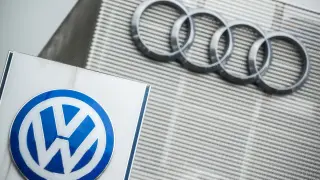
Volkswagen Group is recalling 2.86 million vehicles worldwide, including 208,000 in the U.S., to replace a corroding bolt that could cause steering failure. The issue affects models produced between 2013 and 2024, with no reported injuries. Free repairs are available at dealerships.
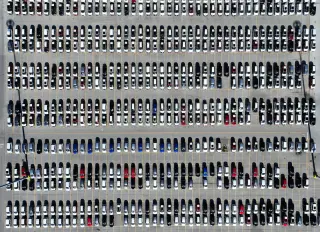
A Washington Post analysis reveals that conventional gas and diesel vehicles, not electric cars, account for the majority of recent 'park outside' fire recalls in the U.S. The surge is driven by complex electronic systems in modern vehicles, not battery fires.
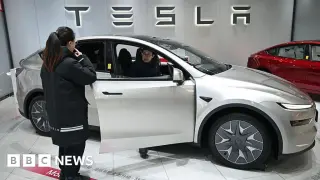
China has ordered the largest car recall in its history, affecting over 4.3 million vehicles, primarily Teslas, due to safety concerns with hidden door handles. The recall, announced by the State Administration for Market Regulation (SAMR), requires manufacturers to add warning labels and software updates to improve emergency egress. This move precedes new regulations banning hidden handles on new cars from January 2027, driven by incidents where electronic failures trapped occupants in crashes.

Chinese regulators have ordered the largest automotive recall in the country's history, affecting 4.3 million vehicles, including 2.98 million Teslas, due to concealed door handles that may be difficult to operate in emergencies. The fixes involve software updates and warning labels, though critics argue these measures do not fully address the lack of mechanical access.
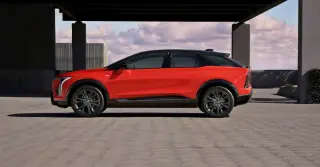
The National Highway Traffic Safety Administration (NHTSA) has expanded its investigation into General Motors vehicles to include over 1.16 million units after receiving new complaints about brake assist failures. The probe, which began in April 2026 with the Cadillac Lyriq, now covers multiple EVs and models built for Honda and Acura. GM attributes the issue to spindle fractures in the eBoost system, but new reports suggest the failure occurs immediately rather than after the vehicle stops.
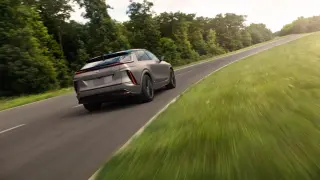
The National Highway Traffic Safety Administration (NHTSA) has expanded its safety investigation into General Motors' eBoost brake-by-wire system, which affects over 1.1 million vehicles. Regulators are reviewing reports of immediate brake assist loss, contradicting GM's claim that safety features remain active until the vehicle stops. While 22 crashes and six injuries have been reported, no fatalities have occurred, and no recall has been issued yet.