
Ram 3500 Tops List of Most Dangerous Vehicles for Other Drivers
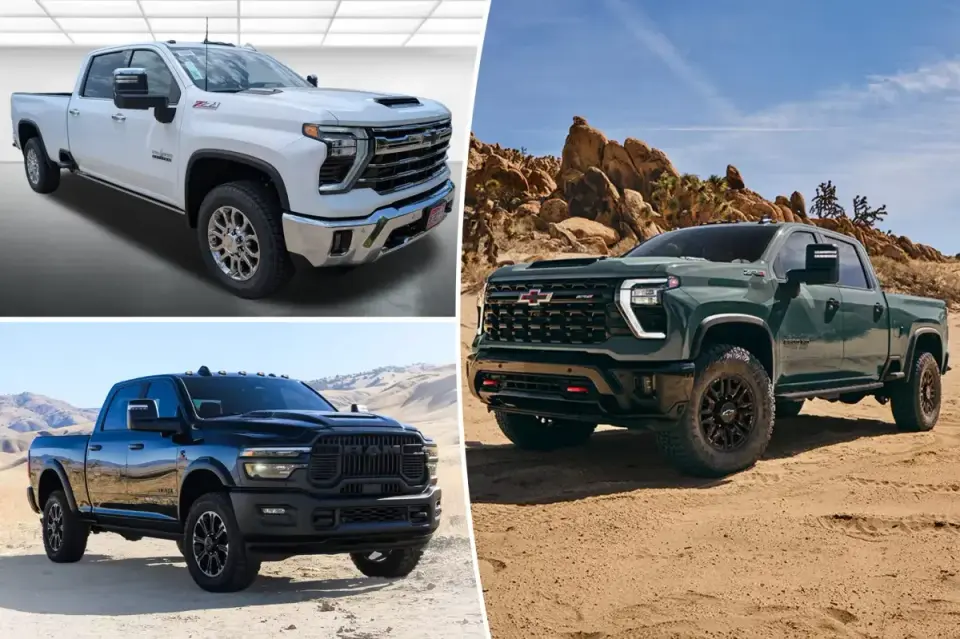
A September 2026 report by Hines Law identifies the Ram 3500 Crew Cab Long Bed 4WD as the most dangerous vehicle for other motorists, despite having a relatively low fatality rate for its own drivers. The study analyzed nearly 200 models, finding that large trucks and SUVs pose significantly higher risks to pedestrians and other drivers due to their weight and size. While the Ram 3500 has 37 own-driver deaths per million vehicle-years, it causes 204 other-driver deaths in the same metric. The report highlights a 'danger gap' where occupants of these vehicles are protected, but others are not. Pedestrians hit by SUVs face a 44% higher death risk than those hit by smaller cars, rising to 82% for children. Although UK experts call for size restrictions, US officials deem such measures unlikely due to cultural preferences for large trucks.
Key points
- Hines Law’s September 2026 report ranks the Ram 3500 Crew Cab Long Bed 4WD as the most dangerous vehicle for other drivers, with 204 other-driver deaths per million vehicle-years compared to 37 own-driver deaths.
- The Chevrolet Silverado 3500 Crew Cab 4WD ranks second, with 126 other-driver deaths per million vehicle-years and a weight exceeding 7,000 pounds, generating 60% more liability claims than average vehicles.
- The Ford F-150 SuperCrew 2WD, despite weighing 2,300 pounds less than the Ram 3500, sees other drivers die at a rate 14 times higher than its own occupants.
- A recent study indicates that adult pedestrians hit by SUVs are 44% more likely to die than those hit by smaller cars, while the risk for children increases by 82%.
- UK experts are urging government restrictions on SUV sizes, but US experts consider this unlikely due to the cultural significance of large trucks in America.
Background
This report follows broader trends in vehicle safety and consumer behavior. In October 2026, young Americans were noted for trading new SUVs for affordable Y2K-era cars due to high costs, though these older vehicles lack modern safety features. Additionally, in September 2026, a new $950,000 fire truck in Clayton overturned on a covered bridge, highlighting the risks associated with heavy vehicles, though no injuries were reported. The current report emphasizes the disparity in safety between vehicle occupants and other road users, a concern that has been growing as SUV and pickup truck popularity increases.
Why it matters
The findings underscore a critical safety disparity where large vehicles protect their occupants but endanger others, particularly pedestrians and drivers of smaller cars. This 'danger gap' has significant implications for road safety policies, insurance costs, and public health. As SUVs and large trucks become more prevalent, understanding these risks is essential for advocating for safer vehicle designs and regulations. The high liability claims associated with these vehicles also impact insurance premiums and economic costs for other drivers.
What to watch
While the US is unlikely to implement size restrictions on SUVs due to cultural factors, ongoing research and public awareness may drive changes in vehicle design and safety standards. Insurance companies may adjust premiums based on these fatality rates, and consumers may increasingly consider safety metrics when purchasing vehicles. Further studies may explore the long-term impact of these vehicles on road safety and pedestrian fatalities.
Want the full story? Read the original reporting
Read on New York Post