
Citroën Unveils Electric 2CV Concept: A €15,000 Retro City Car for 2028
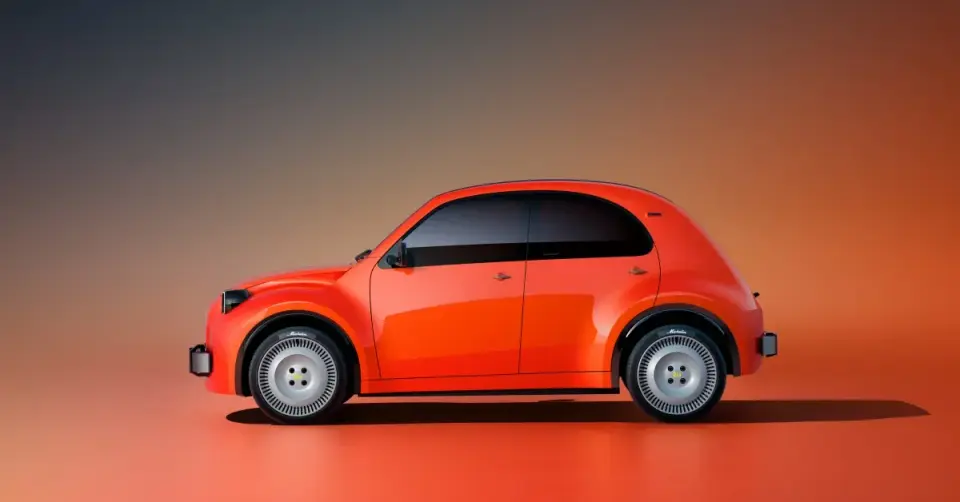
Citroën has unveiled an electric concept version of its iconic 2CV at the 2026 Paris Motor Show, targeting a 2028 production launch with a starting price of €15,000. The vehicle weighs approximately 1,000 kg and retains retro styling cues like a fabric roof and circular headlights, while introducing modern tech such as a touchscreen and digital tire monitoring. This move aims to leverage brand heritage to compete with Chinese EVs in a difficult market.
Key points
- The new 2CV concept is 3.76 meters long, four inches shorter than the original, and weighs around 1,000 kg.
- Citroën targets a starting price of €15,000 (approx. $17,000) for the production model, aiming for 2028.
- The design retains the original's fabric roof and circular headlights but features a boxier hood, lower wheel arches, and modern LED lighting.
- Interior features include a single-spoke steering wheel, an 8-inch touchscreen with comic-book graphics, and a removable storage basket.
- The concept was unveiled at the Paris Motor Show as part of Stellantis' broader strategy to use heritage to compete with Chinese EV brands.
Background
The original Citroën 2CV, produced from 1948 to 1990, was a popular, affordable, and robust vehicle designed for rural use, famously capable of carrying a basket of eggs without breaking them. It became a cultural icon, associated with counter-culture and simplicity. In recent years, European automakers have revived classic models as electric vehicles to appeal to nostalgia and differentiate from new Chinese brands. Our archive notes that this move is part of a broader strategy by Stellantis and other European manufacturers to combat aggressive Chinese EV competition by leveraging brand heritage and offering affordable, European-built options.
How outlets are covering it
Electrek emphasizes the vehicle's light weight (1,000 kg) and affordability, noting it is lighter than a Mazda MX-5, and questions the battery size and range, suggesting a city-focused design. BBC highlights the strategic use of heritage to compete with Chinese manufacturers, quoting industry experts who argue that nostalgia is a powerful differentiator but must be paired with credible modern functionality. Designboom focuses on the playful interior details, such as the comic-book graphics, removable picnic seat, and egg-shaped door pockets, framing the car as a celebration of simplicity and joy. Stellantis positions the 2CV as a 'reinvention' of an idea, emphasizing accessibility, European manufacturing, and the FaSTLAne 2030 strategy, rather than mere replication.
Why it matters
The 2CV concept represents a significant attempt by European automakers to compete with Chinese EVs in the affordable segment by leveraging brand heritage and nostalgia. Its success will depend on whether Citroën can maintain the low price point (€15,000) and light weight while providing adequate range and functionality for modern consumers. This move could influence the future of affordable electric mobility in Europe, potentially setting a precedent for other heritage-based EV revivals.
What to watch
Citroën plans to launch the production version of the 2CV in 2028. The company will need to finalize the battery size, range, and interior features, moderating some of the concept's more playful elements for mass production. The success of this model will depend on its ability to balance affordability, heritage appeal, and modern functionality in a competitive market.
- The legendary Citroen 2CV is back as a €15k electric concept for 2028 Electrek
- Citroen revives the 2CV for an electric age BBC
- citroën revives the iconic 2 CV as a compact electric concept with a roll-up fabric roof Designboom
- Stellantis Unveils Six Concept Cars “The Night Before” the Paris Motor Show Stellantis.com
- Stellantis bets on small affordable EVs for European comeback Reuters
Want the full story? Read the original reporting
Read on Electrek