
Polestar 4 Offers Deep Discounts Amid US Exit, Sparking Debate Over Long-Term Viability
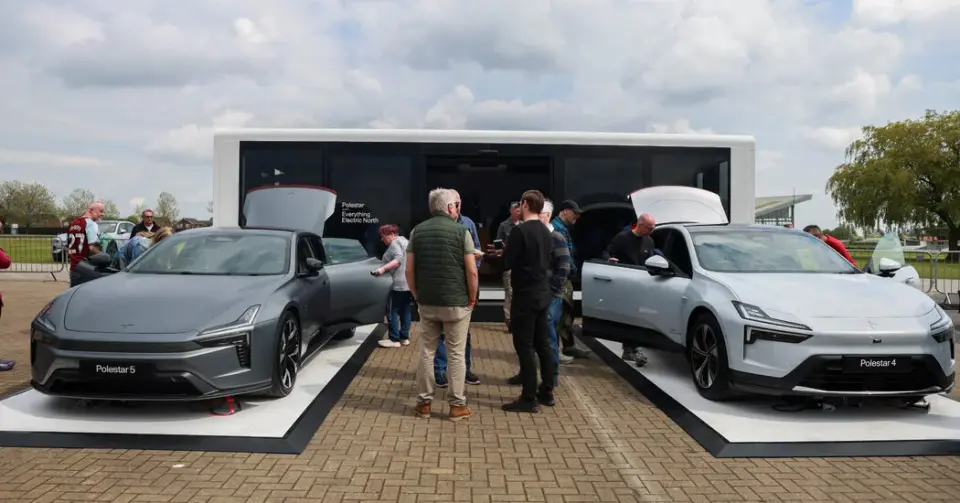
The Polestar 4 is currently available in the US at a steep discount, with prices dropping to around $31,400 after incentives, but the brand is exiting the market after 2026 due to federal security regulations. While the vehicle receives positive reviews for performance and value, concerns remain about long-term support and parts availability, despite assurances from Polestar and its parent company, Geely.
Key points
- The Polestar 4, a luxury electric SUV, is priced at $56,400 but drops to $31,400 after a $25,000 incentive, making it comparable to economy EVs.
- Polestar is exiting the US market after the 2026 model year due to a federal rule banning connected vehicle software from companies with Chinese ties, citing security concerns.
- The vehicle offers 310 miles of range in the single-motor version and 255 miles in the dual-motor trim, with positive reviews for its performance and handling.
- Polestar has pledged to continue supporting US owners through Volvo dealerships, but some experts remain cautious about long-term parts and service availability.
- A lawsuit from a New Jersey dealership and criticism from Senator Bernie Moreno suggest the exit may be a strategic move to avoid financial losses, rather than solely regulatory compliance.
Background
Polestar, a Swedish brand owned by Chinese conglomerate Geely, has been expanding its EV lineup in the US, with the Polestar 4 being a key model. The brand's exit follows a broader crackdown on Chinese-owned automotive companies in the US, driven by concerns over data security and potential foreign influence. This move mirrors previous exits by other brands, such as Suzuki, which honored warranties during its wind-down. The current situation highlights the tension between regulatory compliance and market viability for foreign-owned brands in the US.
How outlets are covering it
The New York Times emphasizes the financial appeal of the Polestar 4, noting the significant discount and positive reviews, while highlighting the risks associated with the brand's exit. Tarmac Life focuses on the upcoming launch of the Polestar 4 SUV, emphasizing its practicality and performance, but does not address the US exit or regulatory issues. What Car? could not be accessed due to a 403 error, so no perspective could be extracted. The disagreement lies in the emphasis on the vehicle's value versus the long-term risks, with the NYT providing a balanced view of both, while Tarmac Life focuses on the product's features without addressing the regulatory context.
Why it matters
The Polestar 4's situation illustrates the broader challenges faced by foreign-owned automotive brands in the US, particularly those with Chinese ties. The deep discounts and regulatory pressures highlight the tension between market viability and compliance with federal security standards. For consumers, the decision to purchase a Polestar 4 involves weighing the immediate financial benefits against the potential long-term risks of reduced support and parts availability. This case also underscores the impact of US trade policies on global automotive brands and the need for clear regulatory frameworks to ensure fair competition and consumer protection.
What to watch
Polestar is expected to wind down its US operations after the 2026 model year, with continued support for existing owners through Volvo dealerships. The company may face further legal challenges, including the $25 million lawsuit from Prestige Imports, and potential scrutiny from regulators over its exit strategy. The outcome of these developments will influence how other foreign-owned brands navigate US regulations and market conditions. Consumers considering a Polestar 4 should weigh the immediate value against the long-term risks and consider leasing options to mitigate potential resale value issues.
- A Half-Price Luxury E.V. Comes With a Big Asterisk The New York Times
- Review: 2026 Polestar 4 Performance DoubleClutch.ca
- Polestar Announces 4 SUV Coming Soon Tarmac Life
- This 536hp electric SUV is fast, refined and remarkably practical for everyday life Slough Observer
- Polestar 4 long-term test: report 4 What Car?
Want the full story? Read the original reporting
Read on The New York Times