
Paris Auto Show Highlights Affordable European EVs Unavailable in U.S.
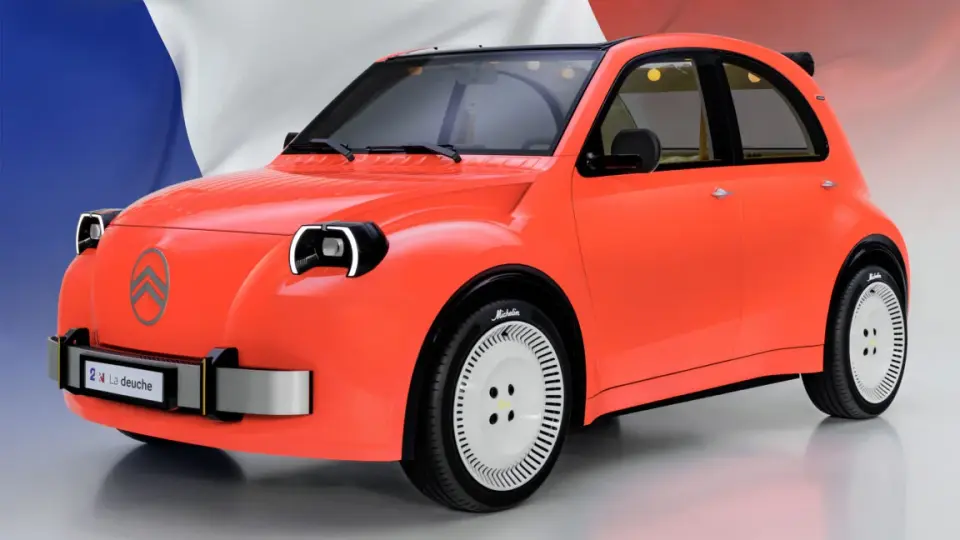
The 2026 Paris Auto Show featured a resurgence of new model debuts, led by Stellantis, which unveiled a low-cost electric 2CV concept priced at 15,000 euros. Other highlights included VW Group’s small electric family and Audi’s efficient A2 e-tron. However, these affordable, compact European vehicles are unlikely to reach the U.S. market, where Stellantis is instead focusing on high-performance V8 models like the Hellcat Charger.
Key points
- Stellantis dominated the Paris Auto Show with concepts from Citroen, Peugeot, and Fiat, including the electric 2CV and the Fiat Multiplay.
- The Citroen 2CV concept is designed for affordability and versatility, with a target production price of 15,000 euros ($16,766) within two years.
- VW Group showcased its 'Electric Urban Car Family,' including the ID. Polo and ID. Cross, claiming over 150,000 pre-orders.
- Audi revealed the A2 e-tron, a highly efficient supermini with a WLTP rating of 4.9 miles/kWh, echoing the original A2’s design.
- Fiat’s Multiplay concept offers a transforming cabin that shifts from a three-row people carrier to a pickup, featuring modular 'Petsenger' seats.
- Renault displayed the E-Space concept, a modern take on the classic minivan with 23-inch wheels, addressing the lack of electric minivans in the U.S.
Background
Recent coverage noted Stellantis’ broad concept lineup at Paris, including the 2CV and Alfa Romeo Cuorerosso. Separately, Fiat detailed the Multiplay’s 'Metamorfosi' architecture, which allows the rear section to slide forward to create a cargo bed. In the U.S., the Department of Transportation recently finalized CAFE standards aiming to lower vehicle prices, yet the affordable European models shown in Paris remain absent from American shelves.
How outlets are covering it
Ars Technica emphasizes the irony that while Europe debuts affordable, efficient EVs, the U.S. receives only high-cost, high-performance models like the V8 Hellcat Charger. The outlet criticizes Stellantis for doubling down on these trends in America. The New York Times, in a related but distinct report, highlights a different dynamic: European consumers are increasingly buying low-cost Chinese EVs, with BYD and Xiaomi expanding aggressively in Germany. This contrasts with the Paris show’s focus on European heritage brands, suggesting a split in European market preferences between domestic affordable options and imported Chinese bargains.
Why it matters
The Paris Auto Show reveals a divergence in automotive strategy between Europe and the U.S. While Europe prioritizes affordable, efficient electric vehicles for urban use, the U.S. market continues to receive larger, more expensive models. This gap highlights differing consumer preferences and regulatory environments, potentially leaving American consumers without access to the cost-effective EVs being developed in Europe.
What to watch
Citroen plans to produce the 2CV within two years at a starting price of 15,000 euros. VW Group is scaling production of its electric urban cars, having secured over 150,000 orders. In the U.S., Stellantis is expected to continue focusing on high-performance models like the Hellcat Charger, while Chinese brands like BYD and Xiaomi expand their physical presence in Germany to capture market share from traditional European automakers.
- The Paris Auto Show is full of interesting cars Americans can’t have Ars Technica
- Europeans Have a Love-Hate Relationship With Chinese Cars The New York Times
- Volkswagen, Stellantis show EV confidence, with lessons from China Reuters
- Hits from the Paris auto show Automotive News
- 6 Coolest Debuts at the 2026 Paris Motor Show Edmunds
Want the full story? Read the original reporting
Read on Ars Technica