
JLR Launches Range Rover Electric: A 372-Mile, 542-HP Off-Roader
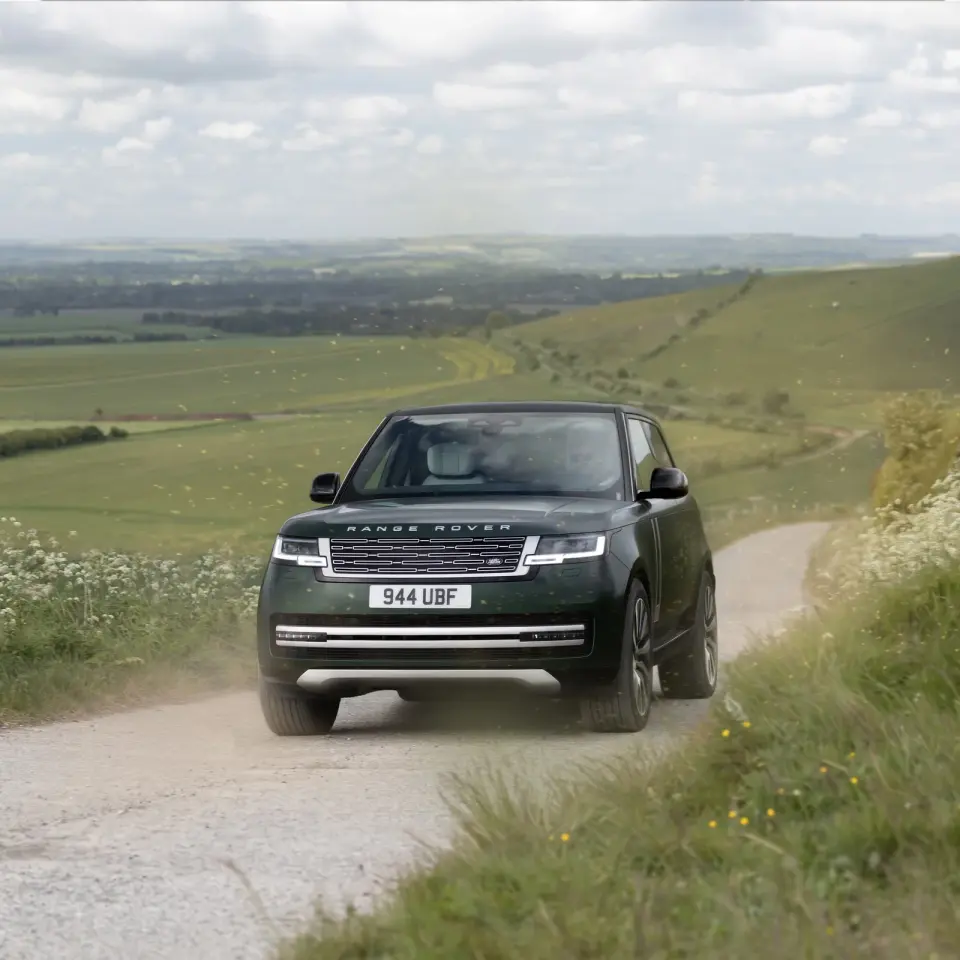
Jaguar Land Rover has unveiled the 2027 Range Rover Electric, the brand's first fully electric SUV. Priced from £154,070 in the UK and $138,000 in the US, the vehicle retains the iconic Range Rover silhouette while introducing a dual-motor setup producing 542 horsepower and 627 lb-ft of torque. It features an 118.5 kWh battery offering up to 372 miles of WLTP range (approx. 333 miles EPA) and 350 kW fast charging. Key innovations include a new traction system that manages slip in 50 milliseconds, 900mm wading depth, and a lower center of gravity, all built on the MLA-Flex architecture.
Key points
- The 2027 Range Rover Electric is the first all-electric model for the brand, launching with a UK price of £154,070 and US pricing starting at $138,000.
- It delivers 542 hp and 627 lb-ft of torque from dual 260-kW motors, achieving 0-60 mph in 4.3-4.5 seconds.
- The vehicle uses a 118.5 kWh, 800V battery pack with a WLTP range of 372 miles and supports 350 kW DC fast charging (10-80% in 22 minutes).
- JLR filed over 300 patents for the vehicle, including in-house developed motors and a new traction management system that responds in 50 milliseconds.
- The car maintains the standard Range Rover interior and exterior design, with only minor aerodynamic changes to the grille and wheels, and is built at the Solihull plant.
Background
This launch follows JLR's earlier 2026 announcements regarding the Range Rover Electric, which had been teased with similar specs but faced delays. Previous coverage noted the vehicle's focus on preserving the luxury and off-road heritage of the brand while transitioning to an 800V architecture. The new release confirms the production timeline and final pricing structures across global markets.
How outlets are covering it
Dezeen emphasizes the vehicle's design continuity and the engineering pride behind the new driveline, highlighting the 20% torque increase over similar motors. Autocar provides a more critical technical analysis, noting the car weighs 2,885 kg (75 kg more than the PHEV) and has a lower towing capacity (2,500 kg vs. 3,500 kg for ICE), though JLR claims it suits 97% of customer journeys. Car and Driver focuses on the interior photos and the 'wholly credible' alternative to combustion engines, while all sources agree on the core performance metrics and the significant investment in JLR's Wolverhampton manufacturing center.
Why it matters
The Range Rover Electric marks a pivotal shift for a heritage luxury brand, demonstrating that high-performance EVs can retain the off-road capabilities and premium feel of their combustion predecessors. Its success will likely influence the electrification strategy of other traditional luxury automakers and set new benchmarks for range and charging speed in the high-end SUV segment.
What to watch
JLR plans to expand the electric lineup with a Range Rover Sport EV and a Range Rover GT on a different platform. The company is also investing over £350 million in its Wolverhampton Electric Propulsion Manufacturing Centre to produce motors and battery packs. Future updates may include vehicle-to-grid compatibility and additional charging options.
- Range Rover unveils its first fully electric car Dezeen
- View Interior Photos of the 2027 Land Rover Range Rover Electric Car and Driver
- The 2027 Range Rover Electric Pairs EV Power With Land Rover Off-Road Capability Edmunds
- The electric Range Rover is finally here – and I've driven it Autocar
- Land Rover Range Rover Electric (2027) netcarshow.com
Want the full story? Read the original reporting
Read on Dezeen