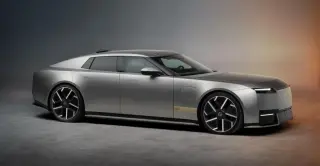
Jaguar has unveiled the Type 01, a high-performance electric grand tourer that closely mirrors its controversial 2024 concept design. Priced at $130,500 in the US, the vehicle features 1,016 horsepower and a 400-mile range, marking a bold pivot for the brand despite mixed reactions to its polarizing aesthetics and practicality.
Jaguar Land Rover plans to cut about 4,000 jobs over the next two years as part of a major restructuring amid a cyberattack, weaker sales (notably in China), and heavy investment in an electric-vehicle future, while exploring a Stellantis-backed US Defender to dodge tariffs amid global competition and high energy costs.
Jaguar Land Rover plans up to 4,000 voluntary redundancies for salaried and management staff over the next two years to cut about £1.7bn in costs and simplify the business as it faces pressure from cheaper Chinese rivals; production roles are unaffected, and the move accompanies a broader shift toward the US market with unions and government officials engaged in discussions.
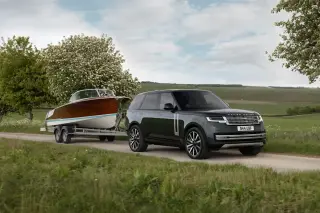
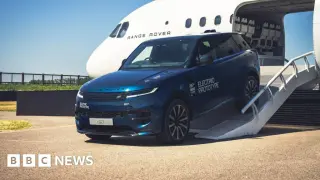
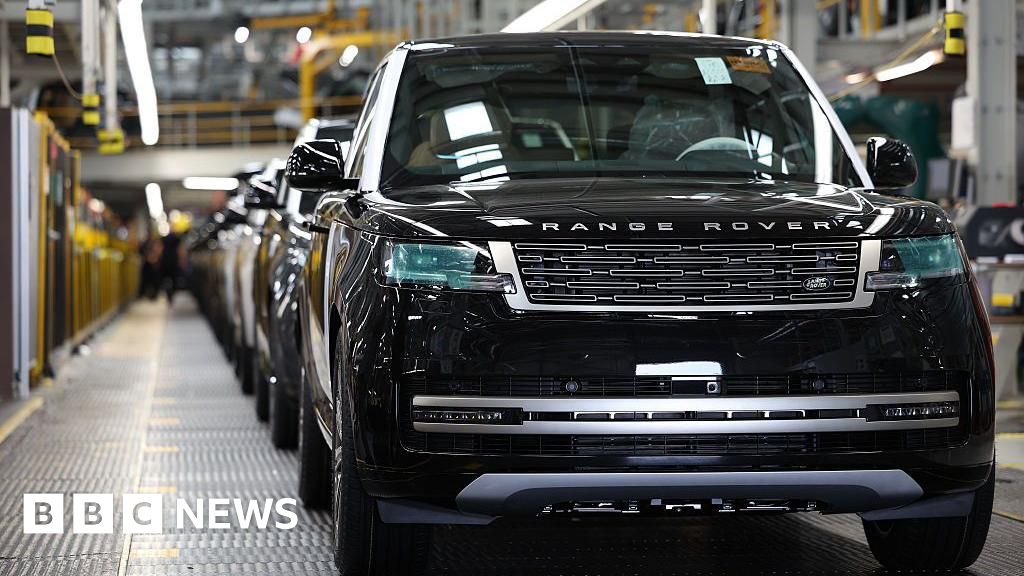
Range Rover unveils its first fully electric model, the Range Rover Electric, starting around $138,000 in the US, aiming to keep the brand’s luxury and off‑road prowess with twin 260kW motors delivering up to 550PS and 850Nm, 0–60 mph in 4.3 seconds, and a 118.5 kWh 800‑volt battery rated for about 372 miles of range (not EPA‑certified yet). It supports rapid charging (10–80% in about 22 minutes; ~137 miles added in 10 minutes at peak) and comes with a native North American Charging Standard port, enabling Tesla Supercharger access. The first edition is limited to 2,500 units. JLR emphasizes delivering the Range Rover experience in an electric form, while premium EV demand remains tepid and faces competitors like Cadillac Escalade IQ, Mercedes EQS SUV, and Lucid Gravity. The luxury-focused US market remains a top growth priority for Range Rover’s parent, Jaguar Land Rover.
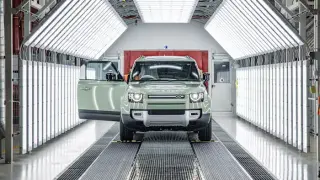
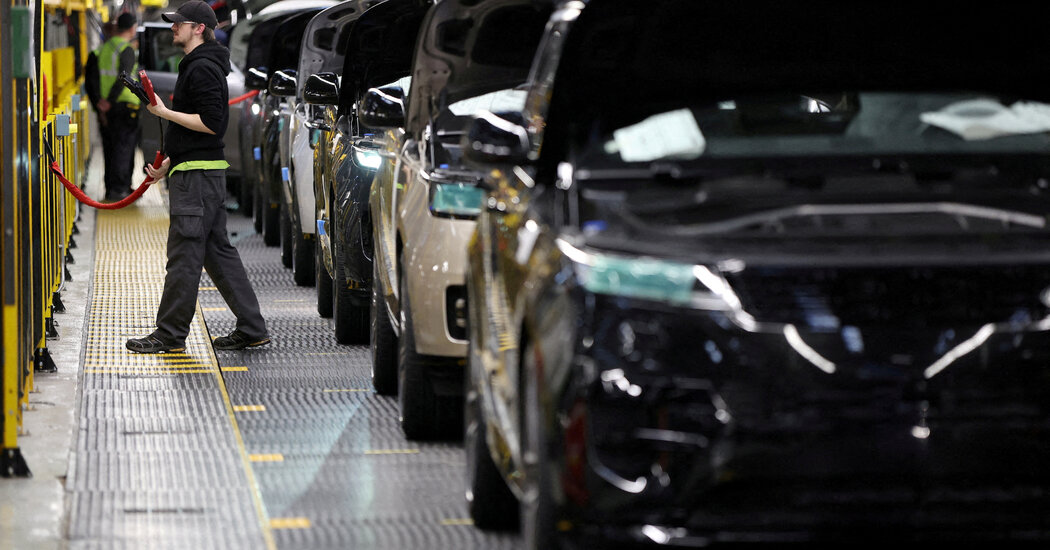
Range Rover unveiled its first all-electric model, the Range Rover Electric, produced in Solihull as JLR expands electrification with new battery and electric-drive lines and training for roughly 10,000 staff; the rollout follows profits pressure, a cyberattack, and a supplier fire, with battery packs and e-drive units also made at Wolverhampton’s Electric Propulsion Manufacturing Centre.
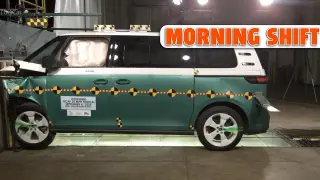
Volkswagen weighs a drastic restructuring that could cut up to half its model lineup, reduce annual production to about 9 million vehicles and lay as many as 100,000 workers amid rising costs, competition, and tariffs, with possible German plant closures and strong union opposition. The report also covers talk of ending steering-wheel mandates for driverless cars in the U.S., BMW’s luxury-sales strength in H1 2026, Tata’s plan to invest heavily in Jaguar Land Rover to reach roughly $45–$50 billion in revenue by 2031, and rising gas prices tied to geopolitical tensions.
Stellantis CEO Antonio Filosa said the company could expand Chinese-brand vehicle production with Leapmotor into Mexico and possibly Canada, but not the United States, while pursuing US partnerships with non-Chinese brands such as Jaguar Land Rover; discussions include a Brampton, Ontario plant and continuing Leapmotor collaboration to grow sales and share costs.
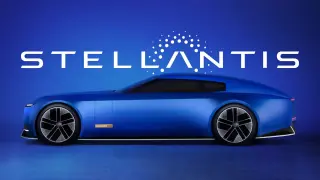
Stellantis and Jaguar Land Rover signed a non-binding Memorandum of Understanding to explore opportunities to collaborate on product development in the United States, aiming for synergies across platforms and technology that could include shared production or rebadging of vehicles, potentially producing JLR models in the U.S. The move comes amid tariff pressures and underutilized Stellantis plants, and aligns with Stellantis' investor-day focus on core brands and partnerships.
Stellantis and Jaguar Land Rover signed a non-binding memorandum of understanding to explore opportunities for collaboration on product and technology development in the United States, aiming to leverage each company’s strengths; any potential transactions would be subject to customary closing conditions and the execution of definitive agreements.
The FTC is cracking down on dealerships that advertise vehicles they don’t actually have, potentially levying fines; the report also notes a two-week production pause at Jaguar-Land Rover in the UK, Ford F-150 supply constraints driving higher-end models, and Stellantis’ mixed bonus payouts sparking UAW ire.
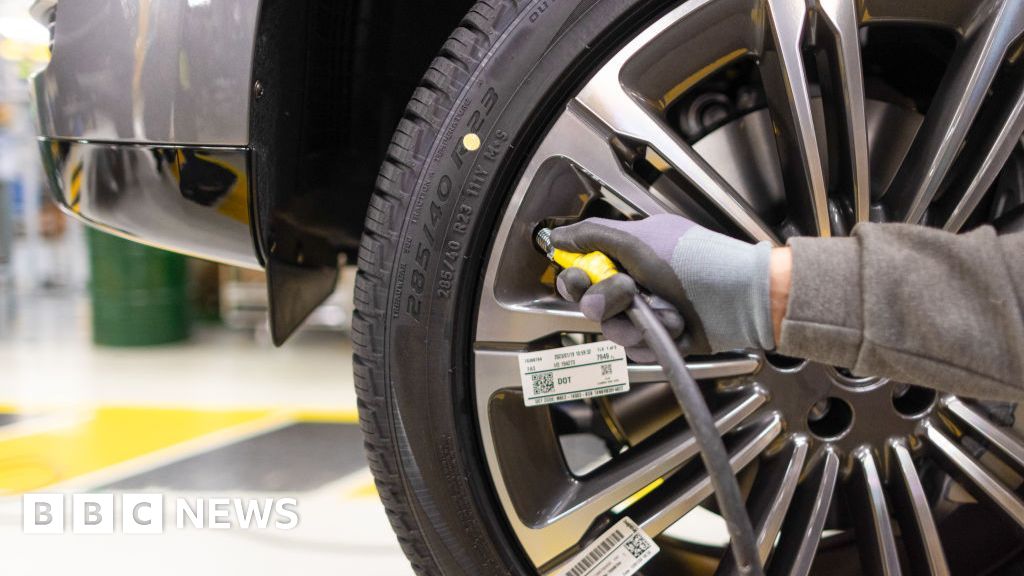
A cyberattack has caused Jaguar Land Rover, Britain's largest automaker, to halt production at its factories worldwide for over a month, likely due to an extortion-based attack, disrupting British industry and daily life.
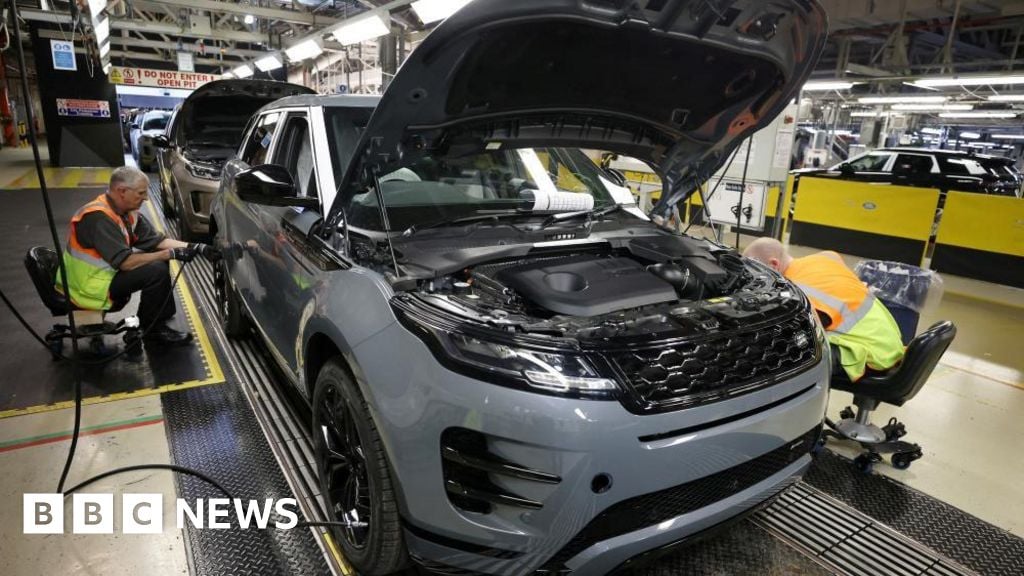
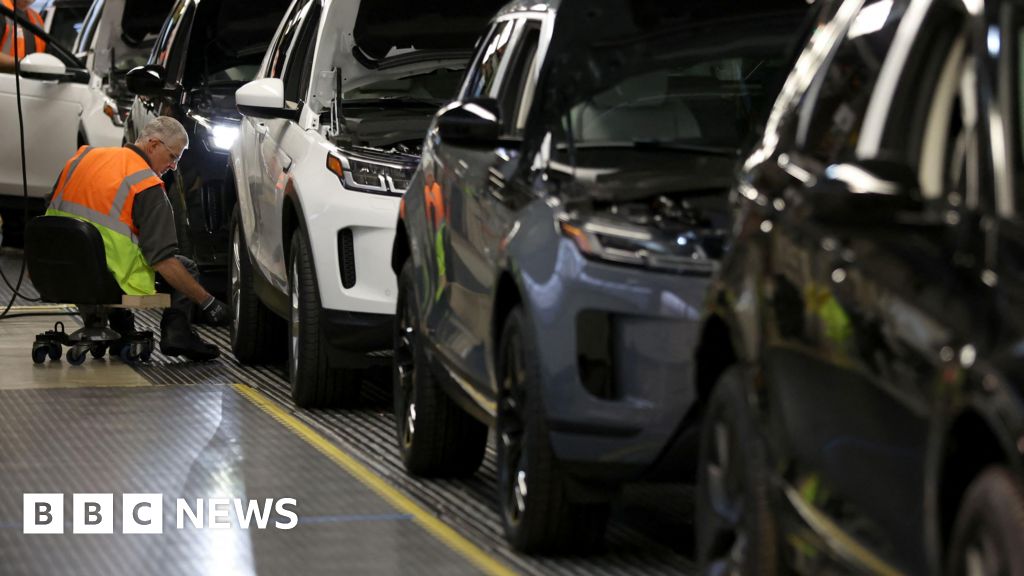
Jaguar Land Rover is gradually resuming production after a cyber-attack forced factory shutdowns, with the first restart at Wolverhampton, but full recovery will take weeks, impacting suppliers and highlighting the need for government support in the manufacturing sector.
Jaguar Land Rover plans to resume some manufacturing operations in the UK after a cyber-attack caused a temporary halt, with phased restart efforts underway and government support announced to aid the supply chain recovery.
A UK MP suggests that additional government aid may be necessary for Jaguar Land Rover and its supply chain following a cyber-attack that halted production and threatened suppliers, with discussions ongoing about further financial support and the need for improved cybersecurity measures.
The UK government will guarantee a £1.5bn loan to Jaguar Land Rover to support its suppliers and protect jobs amid a cyber attack that has halted production since August, costing the company at least £50m weekly. The move aims to stabilize the supply chain and safeguard employment across the UK automotive sector.