
Record Car Trade-In Debt Hits $6,884 Average as Silverado and F-150 Lead Negative Equity
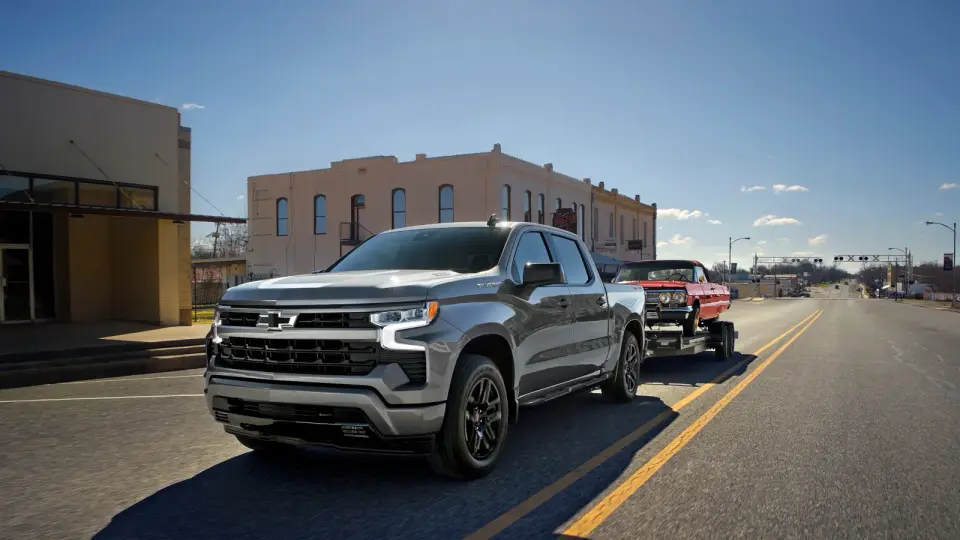
A record 30% of new car buyers in 2026 are trading in vehicles with negative equity, meaning they owe more than the car is worth. The average negative equity on trade-ins reached $6,884 in the second quarter of 2026, up from $6,754 a year earlier. High new car prices, averaging near $50,000, and elevated interest rates are forcing consumers to roll over old debt into new loans, creating a costly financial cycle. The Chevrolet Silverado 1500, Ford F-150, and Ram 1500 have the highest average negative equity, with the Silverado averaging -$8,516. Buyers who financed at peak prices in 2022 are now returning to trade in, bringing thousands of dollars of old debt with them. Extending loan terms to lower monthly payments increases total interest costs, worsening the financial burden for consumers.
Key points
- Average negative equity on trade-ins reached a record $6,884 in Q2 2026, up from $6,754 in Q2 2025
- Nearly 30% of recent new car buyers were underwater on their trade-in loans
- Chevrolet Silverado 1500 has the highest average negative equity at -$8,516, followed by Ford F-150 at -$8,417 and Ram 1500 at -$8,347
- New car prices averaging close to $50,000 are pushing buyers deeper into debt
- Elevated interest rates and longer loan terms are creating a snowball effect that increases total interest charges for consumers
- Buyers who financed at 2022 peak prices are now trading in vehicles with significant remaining balances
Background
This trend follows years of rising vehicle prices and financing costs that began accelerating in 2022. The archive does not contain prior coverage of car negative equity, but the current data reflects a sustained pattern of consumers taking on more debt to purchase vehicles. The 2026 figures represent the highest second-quarter negative equity on record according to Edmunds, indicating that the problem has worsened rather than stabilized since the 2022 peak in car prices.
Why it matters
Negative equity affects millions of American consumers by increasing the cost of vehicle ownership and limiting their ability to purchase new cars without taking on additional debt. The snowball effect of rolling over old debt into new loans, combined with elevated interest rates, means that consumers are paying significantly more in total interest over the life of their loans. This trend could impact the used car market, as more vehicles are traded in with negative equity, potentially affecting resale values and the availability of affordable used cars. The data also highlights the financial strain on households as they navigate a difficult car market with high prices and financing costs.
What to watch
Edmunds data suggests that the negative equity problem will continue as more buyers who financed at 2022 peak prices return to trade in their vehicles. The combination of high new car prices, elevated interest rates, and longer loan terms is likely to keep negative equity levels elevated in the near term. Consumers may need to consider alternative financing options, such as shorter loan terms or lower-cost vehicles, to avoid the snowball effect of rolling over old debt. The used car market may also see increased supply as more vehicles are traded in with negative equity, potentially affecting resale values and the availability of affordable used cars.
- Americans are rolling record debt into new vehicles. These top the list USA Today
- Positive equity tied to trade-ins hits record $13K Car Dealership Guy News
- How Mainstream Vehicle Owners Are Routine Winners of Today's Record $13,330 Positive Equity Average Edmunds
- Dream Truck Turns into $900 Monthly Payment Trap: The Growing Challenge of Auto Loan Debt - Pre-Earnings Setup po-news-eg.net
- Negative Equity Report: The Problem Worsens MySA
Want the full story? Read the original reporting
Read on USA Today