
Greenwich Rx Halts Distribution of GLP-1 Injections After FDA Sterility Inspection
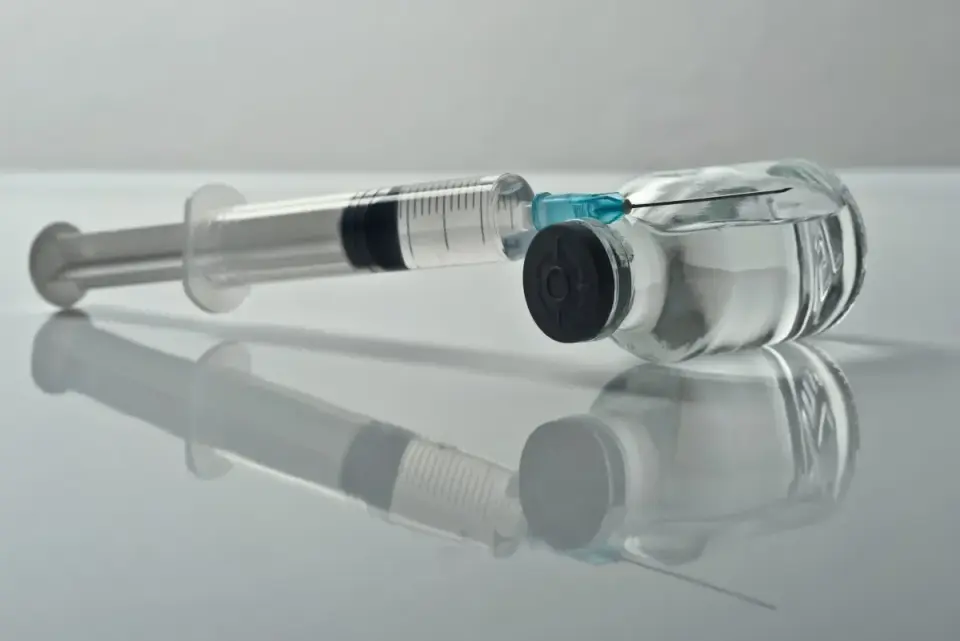
Greenwich Rx is voluntarily recalling specific lots of compounded sterile medications, including semaglutide injections, dispensed nationwide between August 10 and September 21, 2026. The action follows an FDA inspection that raised concerns about sterility assurance. Consumers are advised to check lot numbers and discard affected products immediately, as non-sterile injections could cause serious infections. No adverse events have been reported so far.
Key points
- Greenwich Rx initiated a voluntary recall of compounded sterile products after an FDA inspection identified potential sterility issues.
- The recall covers medications dispensed between August 10 and September 21, 2026, including semaglutide, a GLP-1 weight-loss drug.
- Some affected products were compounded for another pharmacy, Clove Rx, requiring those customers to review the affected list even without direct notification.
- The company states that no adverse events have been reported, but warns that non-sterile products could lead to life-threatening infections.
- Consumers should stop using recalled medications immediately and verify lot numbers on the company website.
Background
This recall follows a pattern of sterility concerns in compounded GLP-1 medications, including a recent FDA escalation of a recall for Apothecary Pharma vials in October 2026. It also occurs amid a surge in pediatric GLP-1 prescriptions, which has raised broader safety and cost concerns in the medical community.
Why it matters
The recall highlights ongoing regulatory scrutiny of compounding pharmacies, particularly regarding the sterility of injectable medications. For patients relying on GLP-1 drugs for weight management or diabetes, ensuring product integrity is critical to preventing serious infections.
What to watch
Greenwich Rx is notifying affected customers via mail. Consumers and clinics are urged to check the full list of affected products, including lot numbers and expiration dates, on the pharmacy's website and discard any impacted medications immediately.
Want the full story? Read the original reporting
Read on KGET.com