
Regulatory Rollback Fuels V-8 Boom Amid Legal Challenges and Consumer Cost Debates
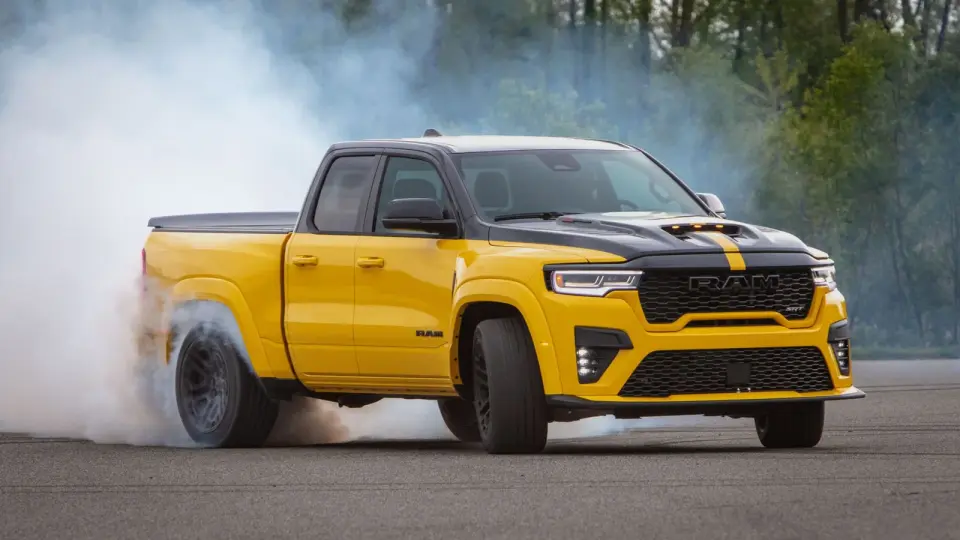
The U.S. government has lowered fuel economy targets to 34.9 miles per gallon by 2031, a significant drop from the previous 50.4 mpg goal. This change, coupled with the elimination of compliance fines, is expected to save automakers billions in costs and shift production toward high-margin pickup trucks and V-8 engines. While the administration claims this will lower vehicle prices, critics argue it will increase long-term fuel costs for consumers. A coalition of 26 states has filed a lawsuit challenging the rule's legality.
Key points
- NHTSA reduced the 2031 fuel economy target to 34.9 mpg, down from 50.4 mpg under prior rules.
- Congress eliminated fines for non-compliance, removing a major financial penalty for automakers.
- Analysts predict a shift away from 'compliance cars' and EVs toward profitable internal combustion engines.
- GM, Ford, and Stellantis are expanding V-8 availability in full-size pickup trucks.
- A coalition of 26 states and cities sued NHTSA, alleging the rule violates the 'maximum feasible' standard.
- Hybrid vehicle market share is projected to rise from 14% to 34% by the end of the decade despite the rollback.
Background
This development follows the September 2026 finalization of new Corporate Average Fuel Economy standards, which replaced stricter Biden-era targets. The move coincides with a broader industry pullback from electric vehicles, evidenced by recent billions in write-downs from Ford, GM, and Porsche. Additionally, rising energy costs and inflation concerns have made fuel efficiency a critical economic factor for consumers.
How outlets are covering it
CNBC and TD Cowen analysts emphasize the financial benefits for automakers, noting that lower compliance costs and the elimination of credit trading allow companies to redirect investments toward high-margin V-8 engines and pickups. They argue this shift may eventually support EV growth through two-car household dynamics. Conversely, WOWT and independent analysts like CarEdge.com highlight the potential downside for consumers, warning that lower fuel efficiency could increase lifetime vehicle costs by up to $6,662. The legal perspective, represented by Michigan Attorney General Dana Nessel and a 26-state coalition, argues the rule is arbitrary and violates the Energy Policy and Conservation Act by ignoring the 'maximum feasible' efficiency standard, potentially exposing consumers to global oil price shocks.
Why it matters
The rollback fundamentally alters the automotive landscape by removing regulatory pressure to produce efficient or electric vehicles. This could lead to a surge in pickup truck sales and V-8 engine adoption, impacting both industry profits and consumer fuel expenses. The ongoing lawsuit may delay or reverse these changes, creating uncertainty for manufacturers' long-term investment strategies.
What to watch
The case will proceed in the U.S. Court of Appeals for the First Circuit, where the legality of the NHTSA rule will be determined. Automakers are expected to continue shifting R&D and production toward internal combustion engines and hybrids, while the market will monitor whether the predicted savings are passed to consumers or retained by manufacturers.
- How lower fuel economy targets could boost pickups and V-8 engines CNBC
- The CAFE Rollback Has a Catch for Some SUVs Yahoo Autos
- Trump lowers fuel efficiency requirements for new cars WOWT
- Nessel joins lawsuit challenging Trump administration’s rollback of fuel economy standards The Alpena News
- Trump’s Fuel Economy Rollback Could Cost Drivers Thousands More In Gas Autoguide.com
Want the full story? Read the original reporting
Read on CNBC