
Hotter-than-expected inflation data triggers bond rally and tech sell-off
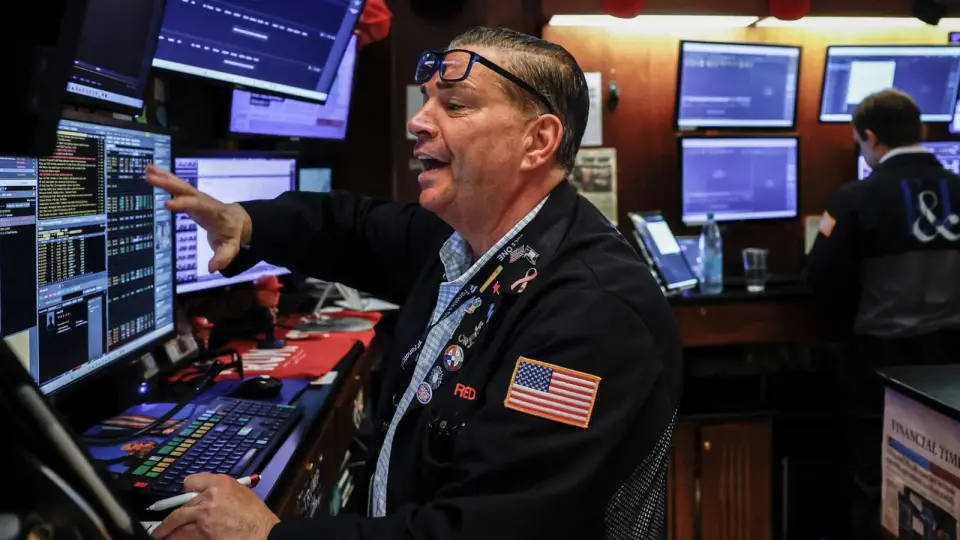
U.S. Treasury yields fell sharply on Thursday as investors rotated into bonds following a hotter-than-expected producer price index report. The 10-year yield dropped nearly 13 basis points to 5.066%, while the 30-year yield reached 5.40%. This move followed a consumer price index release the previous day that also exceeded forecasts. The inflation data intensified fears about the Federal Reserve’s monetary policy, leading to a sell-off in technology stocks as investors sought safety. Market expectations now price in at least one additional interest rate hike by the end of the year.
Key points
- The 10-year Treasury yield fell almost 13 basis points to 5.066%, and the 30-year yield dropped to 5.40%.
- The 2-year Treasury note yield decreased by more than 6 basis points to 4.74%.
- September producer prices rose at an annual rate of 6.3%, the largest gain since 2022, significantly exceeding the 5.5% forecast by economists.
- This inflation data followed a consumer price index report from Wednesday that showed a 0.6% monthly and 3.7% annual increase, both higher than consensus estimates.
- Investors sold technology shares and moved into bonds due to fears that higher inflation will force the Federal Reserve to raise interest rates, impacting the AI spending boom.
- Fed funds futures indicate at least one more quarter-point rate hike by year-end, with the current fed funds range at 3.75% to 4.00%.
Background
Recent market dynamics show a shift in investor behavior, with institutional investors previously driving gains in AI stocks despite rising yields. A Bank of America survey indicated that fund managers require 5.9% yields to rotate from stocks to bonds, a threshold higher than the recent 10-year peak of 5.3%. Additionally, concerns over AI infrastructure debt emerged after CoreWeave bond yields spiked to 15%, triggering a sell-off in related stocks. The current bond rally reflects a broader flight to safety amid persistent inflation pressures.
Why it matters
The surge in inflation data signals that the Federal Reserve may need to maintain a restrictive monetary policy, potentially raising interest rates further. This could increase borrowing costs for businesses and consumers, dampening the AI investment boom and slowing economic growth. The rotation from tech stocks to bonds indicates heightened risk aversion among investors, which may impact market valuations and corporate financing conditions.
What to watch
Investors will monitor upcoming economic data for signs of cooling inflation. The Federal Reserve is expected to announce a rate hike in December, according to market expectations. Traders will watch for any shifts in the fed funds futures pricing and the impact of higher rates on technology sector valuations and broader market sentiment.
- Treasury yields slide as investors flee to safety of bonds amid tech rout CNBC
- Stocks Fall as AI Rout Spurs Flight to Treasuries: Markets Wrap Bloomberg.com
- Is the AI rout making bonds safe again? Reuters
- Investors are buying Treasurys as a haven amid worries over tech stocks MarketWatch
- The Bond Market May Be The AI Trade’s Biggest Challenge Yet Seeking Alpha
Want the full story? Read the original reporting
Read on CNBC