
Sepehran Boeing 737 Returns to Mashhad After Tire Burst and Cabin Collapse
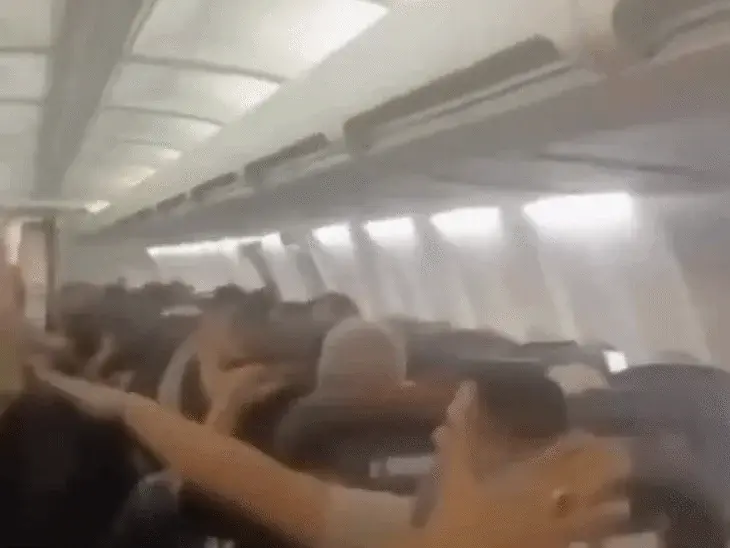
A Sepehran Airlines Boeing 737 made an emergency return to Mashhad Airport on September 16, 2026, after a tire burst during takeoff caused engine damage and violent shaking that tore parts of the cabin ceiling loose. All 127 passengers and crew were evacuated safely with no injuries, though the incident highlighted ongoing maintenance challenges for Iranian carriers.
Key points
- The aircraft, traveling from Mashhad to Kermanshah, suffered a tire blowout shortly after takeoff, which reportedly damaged the engine and triggered an emergency landing.
- Video footage showed the cabin shaking violently, causing overhead panels and ceiling sections to collapse onto passengers, who were seen screaming and praying.
- The pilot diverted the plane back to Mashhad Hashemi Nejad International Airport, where it landed safely; the runway was temporarily closed for inspection.
- All passengers and crew were evacuated without injury and were subsequently transferred to another flight to complete their journey to Kermanshah.
- Iran’s Civil Aviation Organization launched an investigation into the incident, which occurred at approximately 5:39 p.m. local time.
Background
This incident follows a series of recent aviation diversions involving aging fleets or technical faults, such as the August 2026 emergency landing of a United Airlines cargo plane in Los Angeles and the September 2026 Coast Guard jet failure at Reagan National Airport. These events underscore broader concerns regarding aircraft maintenance and safety protocols in various aviation sectors.
How outlets are covering it
Bhaskar English and The Daily Beast emphasized the dramatic nature of the cabin collapse, noting that parts of the roof broke off during landing. Fox News highlighted the context of international sanctions limiting Iran’s access to spare parts and newer aircraft, suggesting that aging fleets may contribute to such incidents. Israel Hayom focused on the immediate operational response, noting the pilot’s decision to return to the departure airport and the subsequent safe evacuation. While all sources agreed on the lack of injuries, they varied in their emphasis on the mechanical cause versus the broader systemic issues affecting Iranian aviation.
Why it matters
The incident raises concerns about the safety and maintenance standards of Iran’s domestic aviation sector, particularly given the reliance on aging aircraft due to sanctions. It also highlights the importance of emergency procedures and pilot training in managing in-flight mechanical failures, ensuring passenger safety even when significant cabin damage occurs.
What to watch
Iran’s Civil Aviation Organization is expected to release findings from its investigation into the cause of the tire burst and subsequent engine damage. Sepehran Airlines may face scrutiny regarding its maintenance protocols, and the incident could influence future regulatory reviews of Iranian carriers' compliance with international safety standards.
- Plane's tyre bursts soon after take-off in Iran: Boeing 737 also suffers engine failure; makes emergency la... Bhaskar English
- Plane passengers scream in harrowing mid-flight video as violent shaking sends cabin ceiling panels flying Fox News
- Boeing 737 Makes Emergency Landing After Plane Starts Falling Apart Mid-Air The Daily Beast
- Iran jet forced back after tire blowout israelhayom.com
- Dramatic Video: Boeing 737 Loses Tire During Takeoff As Cabin Ceiling Collapses Simple Flying
Want the full story? Read the original reporting
Read on Bhaskar English