
Cook’s Counsel Rejects Trump’s Fed Probe, Citing Bias and Scheduling Conflicts
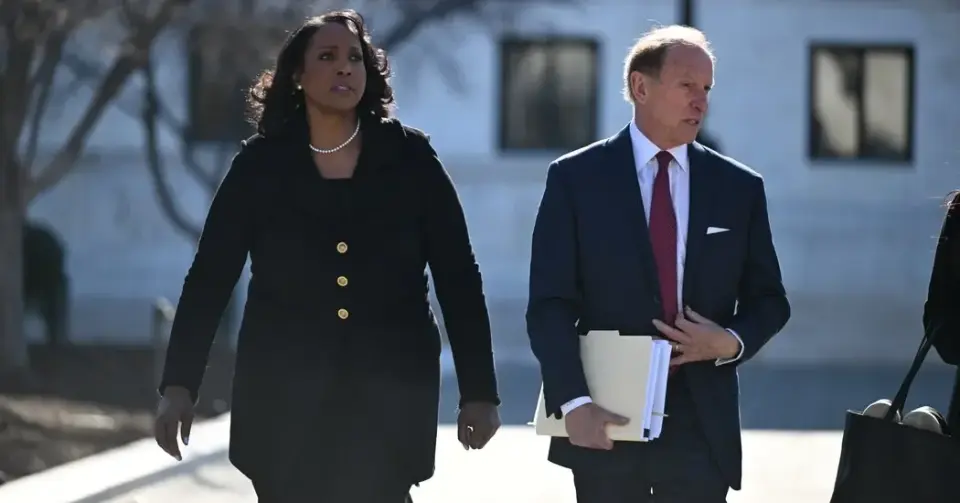
Federal Reserve Governor Lisa Cook’s legal team has formally challenged President Trump’s new investigation into her tenure, arguing the process is inherently biased. In a letter to the White House, attorney Abbe Lowell stated that Cook cannot attend the scheduled November 5 hearing due to international duties and that the earliest feasible date is after the December 8-9 policy meeting. The investigation, led by a committee of Trump appointees, aims to find 'cause' to remove Cook based on unproven mortgage fraud allegations. While the White House claims the process exceeds Supreme Court requirements for due process, Cook’s side argues the committee’s composition and the timing of evidence disclosure violate the appearance of independence. This dispute follows a June Supreme Court ruling that blocked Trump’s initial attempt to fire Cook, leaving the central bank’s autonomy under intense scrutiny.
Key points
- Attorney Abbe Lowell stated Cook cannot attend the November 5 hearing due to financial policy meetings in Europe, proposing a post-December 8-9 timeline instead.
- Lowell criticized the investigation committee, staffed by Trump appointees Kevin Hassett, Keith Sonderling, and Andrea Lucas, as lacking objectivity and fitness for the task.
- The White House, via spokesman Matthew Middleton, asserted that the president is fulfilling his constitutional duty to ensure the conduct of Fed governors is 'above reproach.'
- The probe follows a June 2026 Supreme Court 5-4 ruling that blocked Trump’s August 2025 firing attempt on procedural grounds but did not address the underlying fraud claims.
- Cook has denied the allegations, describing them as 'unfounded and untrue,' while the administration maintains the investigation provides a fair and open process.
Background
This latest confrontation stems from a 2025 dispute where Trump attempted to remove Cook based on allegations that she listed two homes as her primary residence on mortgage applications. The Supreme Court intervened in June 2026, ruling that the president had violated statutory due process protections by firing her without a proper hearing. The current committee investigation is an attempt to comply with those procedural demands while pursuing the same removal goal. The timing is significant as it precedes key Federal Reserve interest rate decisions, raising concerns about political pressure on monetary policy.
How outlets are covering it
The New York Times emphasizes the legal and procedural objections raised by Cook’s counsel, highlighting the conflict between the White House’s schedule and Cook’s international duties. SCOTUSblog provides a detailed timeline of the legal proceedings, noting that the Supreme Court’s June ruling focused on procedural defects rather than the merits of the fraud claims. Politico frames the situation as a test for new Fed Chair Kevin Warsh, suggesting that the administration’s actions threaten the central bank’s independence and that Warsh must now navigate this political turmoil. While all sources agree on the committee’s composition and the November 5 hearing date, they differ in emphasis: the NYT and SCOTUSblog focus on the legal legitimacy of the process, whereas Politico highlights the broader implications for Fed leadership and autonomy.
Why it matters
The outcome of this investigation could set a precedent for executive power over the Federal Reserve. If Cook is removed, it may signal a shift toward greater political control of monetary policy, potentially affecting interest rates and economic stability. Conversely, if the process is deemed invalid, it may reinforce the legal barriers protecting Fed independence. The dispute also tests the limits of the Supreme Court’s recent rulings on due process in federal appointments.
What to watch
Cook’s legal team is expected to negotiate a new hearing date after the December 8-9 Federal Reserve policy meeting. The White House committee will likely proceed with its investigation, potentially issuing written findings by early 2027. The Supreme Court may be asked to intervene again if the process is challenged as biased. Market watchers will monitor interest rate decisions for signs of political influence.
- Lawyer for Fed Governor Cook Denounces Trump’s New Investigation The New York Times
- ‘The real defendant here is Kevin Warsh’ Politico
- Trump Announces White House Hearing to Investigate Fed’s Lisa Cook WSJ
- Fed Governor Cook's lawyer denounces Trump's latest attempt to remove her Reuters
- Trump announces committee investigation of Fed Governor Lisa Cook SCOTUSblog
Want the full story? Read the original reporting
Read on The New York Times