
Atlanta Tower Controller and American Pilot Clash Over Wake Turbulence Separation
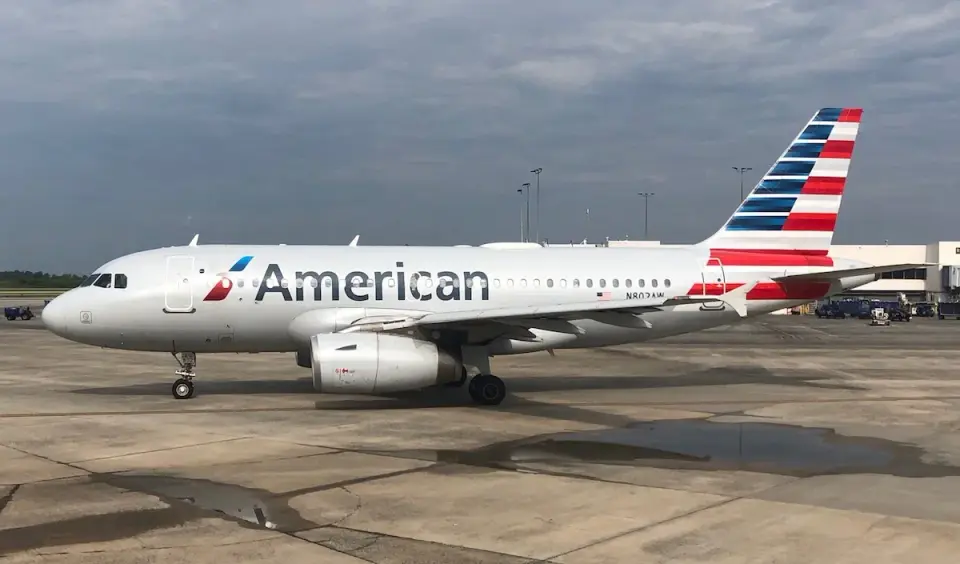
An American Airlines pilot and an air traffic controller at Atlanta’s Hartsfield-Jackson airport engaged in a heated radio argument on September 13, 2026, after the controller canceled the pilot’s takeoff clearance. The dispute arose when the pilot, operating an Airbus A319, requested additional separation from a preceding Delta Boeing 757 due to wake turbulence concerns. The controller rejected the request, canceled the clearance, and instructed the pilot to vacate the runway, leading to a verbal exchange where the pilot asserted responsibility for aircraft safety and the controller defended his authority and experience.
Key points
- The incident occurred on September 13, 2026, involving American Airlines Flight AA1428, an Airbus A319 bound for Philadelphia, at Hartsfield-Jackson Atlanta International Airport.
- The pilot requested extra separation after a Delta Boeing 757 took off ahead, citing wake turbulence risks; the controller canceled the takeoff clearance and ordered the aircraft to vacate the runway.
- The controller stated that pilots must notify him in advance if they require non-standard separation, while the pilot argued that he does not carry separation manuals and is responsible for the safety of his aircraft.
- The controller referred to the incident as a potential 'pilot deviation' and provided a contact number, while the pilot responded with 'let us fly the airplane, you guys can do your job.'
- A Frontier Airlines pilot subsequently complimented the controller on his performance, to which the controller replied that he has 26 years of experience and does not need pilots to instruct him on his duties.
Background
This incident follows a pattern of public attention on pilot-controller interactions, such as the viral Dulles ATC moment in September 2026 and various safety-related incidents involving American Airlines in 2026, including tire blowouts and bird strikes. These events highlight ongoing scrutiny of communication and safety protocols in aviation.
Why it matters
The dispute underscores the tension between pilot authority for aircraft safety and air traffic control’s responsibility for traffic flow. It raises questions about the handling of wake turbulence requests and the professional boundaries between pilots and controllers, potentially influencing future training or procedural guidelines in aviation.
What to watch
It is unclear if formal disciplinary or procedural reviews will follow the incident, as the controller referenced a possible pilot deviation. No immediate regulatory action or public statement from the FAA or involved airlines has been reported in the source material.
Want the full story? Read the original reporting
Read on One Mile at a Time