aviation4.51 min read
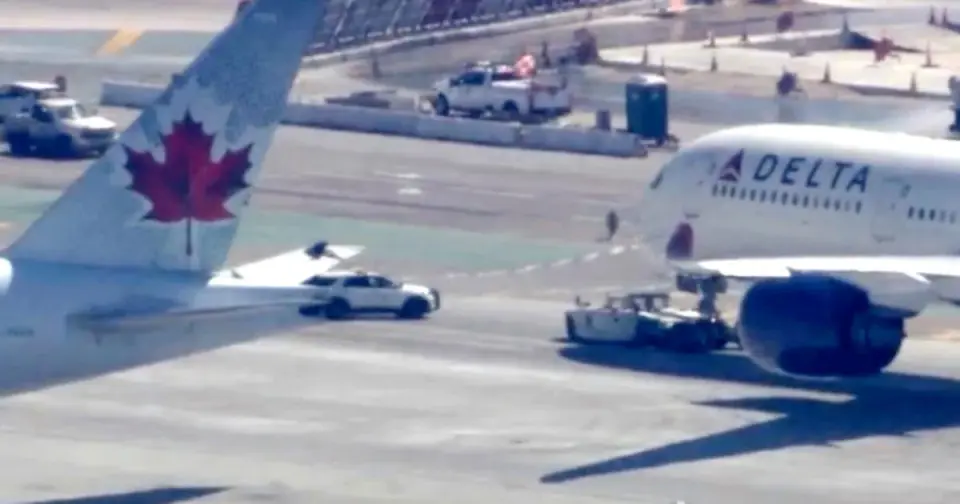
Delta A350 clips parked Air Canada jet at LAX, causing delays but no injuries
2 days ago•Source: Los Angeles Times

The latest aviation stories, each synthesized from multiple sources with added background and context.
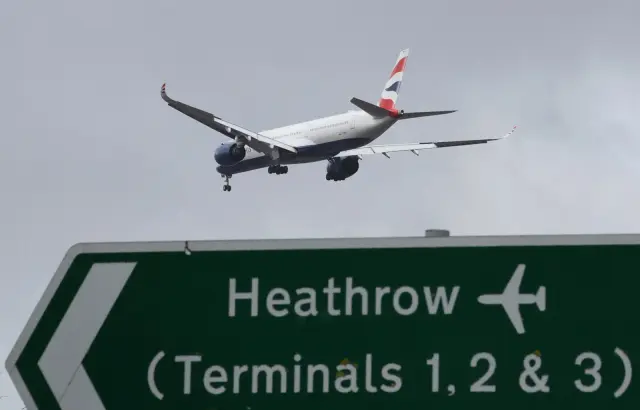
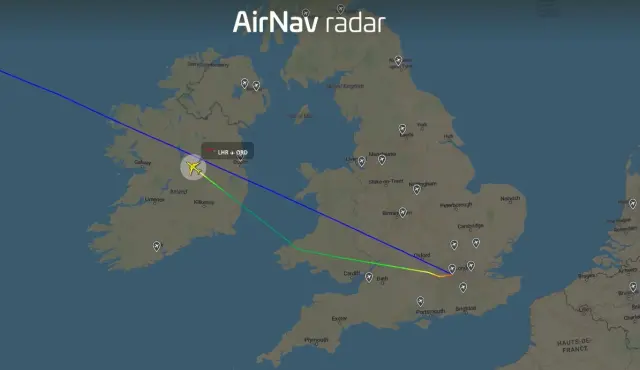
British Airways flight BA295, a Boeing 777-200ER bound for Chicago, made an emergency return to London Heathrow on October 5 after a rapid descent of approximately 28,000 feet over Ireland. The aircraft dropped from 37,000 feet to 9,000 feet within seven minutes, triggering oxygen mask deployment and a 7700 emergency squawk. After circling the Bristol Channel for four hours to burn fuel, the plane landed safely at 5:00 p.m. All passengers disembarked normally, and British Airways is assisting with rebooking.
The Air Current•6 days ago
Al Jazeera•6 days ago
The Federal Aviation Administration has determined that a recent software glitch in certain Boeing 737 Max aircraft is not a flight-safety issue. This decision removes a key hurdle for the certification of the 737 Max 10, the final model in the family. The FAA noted that pilots retain full control and clear indications, while airlines can revert to older software versions to avoid the problem.

Flydubai Flight FZ1073, bound for Tel Aviv, plummeted 17,000 feet after a co-pilot stabbed the captain in an attempt to crash the plane. Captain Smit Machchhar, despite severe injuries, managed to unlock the cockpit door, allowing passengers to subdue the attacker. An Israeli passenger temporarily took control of the aircraft, enabling it to level out and land safely in Tabuk, Saudi Arabia, saving 174 lives. The co-pilot, an Omani national, has been transferred to the UAE for terrorism-related questioning.

Saudi Arabia’s Interior Ministry confirmed that a preliminary investigation found the Flydubai co-pilot assaulted the captain, causing injuries to both, before the aircraft made an emergency landing in Tabuk. The flight, carrying 174 passengers and eight crew members, diverted from Dubai to Tel Aviv on Wednesday after the co-pilot attempted to crash the plane. Captain Smit Machchhar, an Indian national, was hospitalized in Saudi Arabia before being transferred to Abu Dhabi for continued treatment. The co-pilot, an Omani national, remains in custody. UAE authorities launched a probe into the incident, examining motives and potential links to terrorist activity, while Saudi officials emphasized their humanitarian response to the emergency.

Alaska Airlines has announced 'Project Gotham,' a major initiative to install lie-flat 'Aurora' suites on its transcontinental flights, beginning in 2028. The plan involves retrofitting at least 25 Boeing 737 MAX 10 aircraft with 12 lie-flat seats and 12 new 'Premium Reserve' seats each. This move aims to compete with rivals like Delta and JetBlue on lucrative routes to New York, Los Angeles, and San Francisco. The airline expects this premium product to significantly boost revenue, targeting 60% of total revenue from premium sources by 2030.

Alaska Airlines CEO Ben Minicucci stated he is not overly concerned about the latest delay in Boeing 737 Max 10 certification, which stems from a software glitch affecting automated navigation during go-arounds. The FAA has suspended approval, causing Boeing shares to drop sharply. Major carriers, including Alaska, Delta, American, and United, are awaiting resolution, with Alaska potentially postponing its late 2028 launch of lie-flat suites on the aircraft.
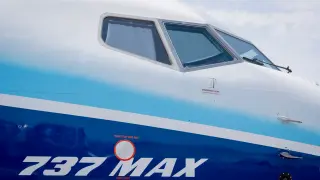
The Federal Aviation Administration has delayed certification of the Boeing 737 Max 10 to investigate a software bug that could disable automated landing guidance during go-arounds. While Boeing asserts pilots remain in control, the FAA is assessing potential safety risks before approving the final model in the Max family.
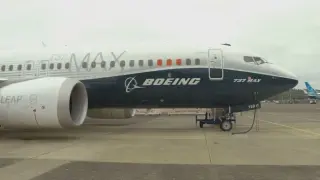
Boeing has acknowledged a software defect in certain 737 MAX aircraft that may disable automated flight guidance during specific landing scenarios. The issue, first reported by The Wall Street Journal, has prompted the Federal Aviation Administration to review the matter while several airlines have halted deliveries of affected planes. Boeing is developing a permanent software update, though the glitch has already triggered a decline in the company's stock price.
A software defect in Boeing 737 MAX aircraft may disable automated landing navigation during missed approaches, prompting an FAA investigation and a 3% drop in Boeing stock. While Boeing claims the planes remain safe, airlines like Southwest and United have rejected new deliveries with the faulty code.
Boeing is developing a software update to fix a flaw in the 737 MAX's automated flight guidance system that can disable vertical navigation during missed approaches. The issue, disclosed to operators in August, has prompted Southwest and United Airlines to pause deliveries of affected aircraft. While Boeing asserts the glitch poses no safety risk, it remains under FAA oversight as the company prepares to deliver the newly certified 737-7 and seek approval for the 737-10.

Boeing identified a navigation software issue in certain 737 Max aircraft that may complicate landing procedures after missed approaches. The FAA is assessing the problem and reviewing Boeing's proposed fix. U.S. carriers confirmed their fleets are unaffected, but questions remain regarding the Max 7 and Max 10 models.