
FAA clears Boeing 737 Max software glitch, paving way for Max 10 certification
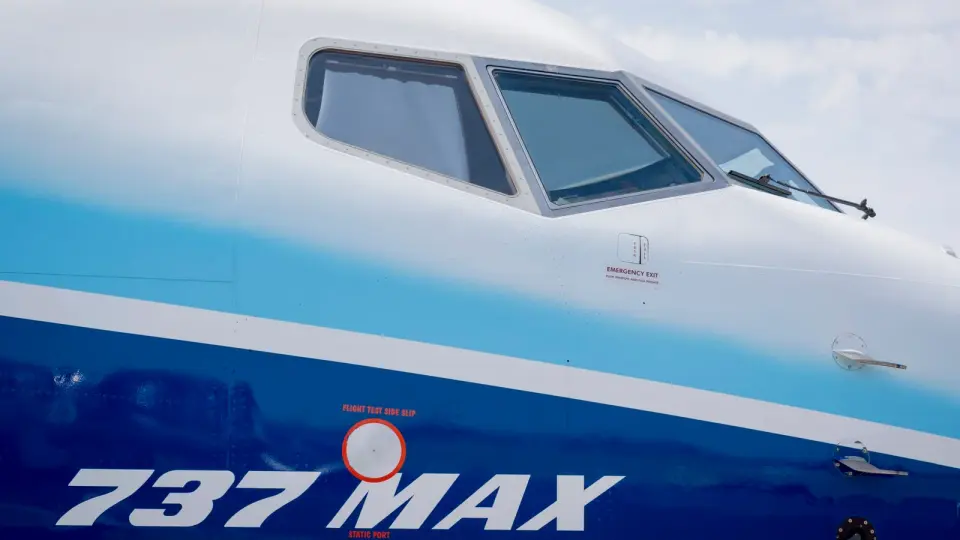
The Federal Aviation Administration has determined that a recent software glitch in certain Boeing 737 Max aircraft is not a flight-safety issue. This decision removes a key hurdle for the certification of the 737 Max 10, the final model in the family. The FAA noted that pilots retain full control and clear indications, while airlines can revert to older software versions to avoid the problem.
Key points
- The FAA's Corrective Action Review Board concluded that a software issue in certain 737 Max flight computers is not a safety concern, as pilots maintain full control and clear indications.
- This determination clears a major obstacle for the certification of the Boeing 737 Max 10, the largest and final model in the 737 Max family.
- The glitch, flagged by Boeing last month, could affect automated landing procedures after a missed approach, requiring pilots to take additional manual steps.
- The FAA will issue a special bulletin to airlines on how to recognize and respond to the issue, while U.S. carriers stated they are unaffected as they can revert to older software versions.
- Boeing is developing a permanent software update, and the FAA stated it will consider further action if new information emerges.
Background
This development follows a series of reports in late September 2026 regarding a software defect in the 737 Max that could disable automated landing navigation after a missed approach. Previous coverage noted that airlines like Southwest and United had halted deliveries of affected aircraft, and Boeing's stock price declined as the FAA reviewed the issue. The current FAA determination resolves the immediate safety concern, allowing the certification process for the Max 10 to proceed as expected in early fall.
How outlets are covering it
CNBC emphasizes the FAA's determination as a positive step for Boeing, highlighting that it removes a hurdle for the Max 10 certification and that airlines are unaffected due to the ability to revert to older software. Aviation Week, in contrast, focuses on the operational response, noting that Boeing is rolling back the software to keep deliveries flowing, suggesting a more immediate operational fix rather than just a regulatory clearance. Both outlets agree on the core facts but differ in their emphasis on the resolution's impact on certification versus delivery schedules.
Why it matters
The FAA's decision is critical for Boeing's recovery from years of safety and manufacturing crises, as it clears the path for the final 737 Max model to be certified and delivered. It also reassures airlines and the public that the software glitch does not pose a flight-safety risk, potentially stabilizing Boeing's stock and delivery schedules.
What to watch
The FAA will issue a special bulletin to airlines on how to handle the software issue. Boeing is expected to deliver the 737 Max 10 in early fall, following the FAA's certification. The company will also continue to develop and implement a permanent software update to address the glitch.
- FAA says Boeing 737 Max software glitch not a flight-safety issue CNBC
- US FAA set to convene review of Boeing 737 MAX software issue on Friday Reuters
- Boeing Rolling Back 737 Software To Keep MAX Deliveries Flowing Aviation Week
- Boeing 737 Max 10 Approval Delayed Over New Software Issue Bloomberg.com
- FAA Says 737 MAX Software Glitch Doesn’t Pose Safety Issue WSJ
Want the full story? Read the original reporting
Read on CNBC