
Cyclospora Outbreak Triggers National Salad Boycott and Farming Crisis
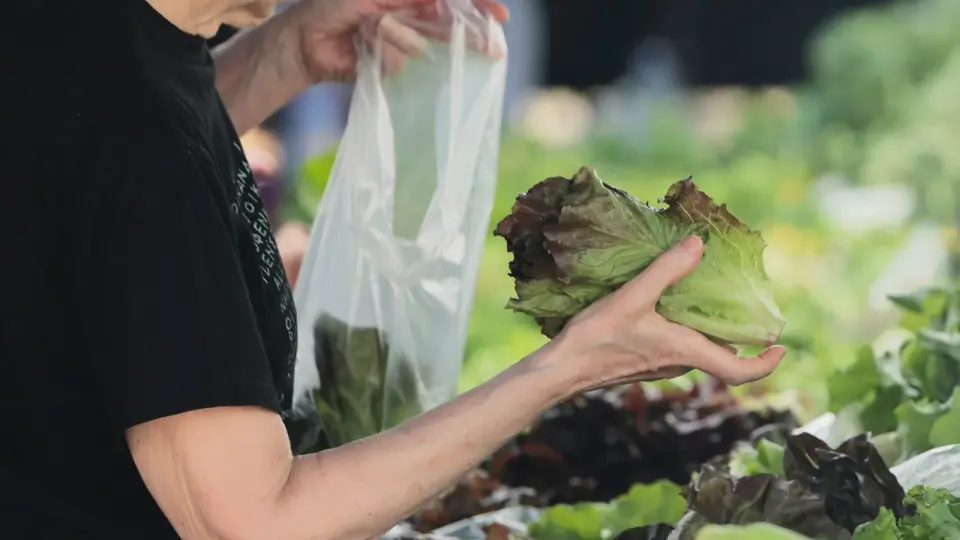
A widespread cyclospora outbreak linked to Taylor Farms iceberg lettuce has caused a sharp decline in salad consumption and sales across the U.S. Restaurant chains and grocery stores report significant drops in traffic and revenue, while California farmers face unharvested crops and lost shifts. Although the FDA has identified the likely source, consumer anxiety has led to a broad avoidance of all leafy greens, impacting businesses unrelated to the contamination.
Key points
- The FDA attributes the outbreak to iceberg lettuce processed at Taylor Farms’ facility in central Mexico, sickening at least 10,000 people.
- Chopt Creative Salad Co. saw a 24% drop in traffic, while Sweetgreen cut its full-year outlook due to a 6% impact on same-store sales.
- Salad and Go filed for Chapter 11 bankruptcy, citing the outbreak as a factor in its closure.
- NielsenIQ data shows prepackaged salad sales fell 14% in late July, and fresh lettuce unit sales dropped 8.7%.
- California farmers in Salinas Valley are leaving crops unharvested and plowing fields due to collapsed demand, despite no link to the outbreak.
- Michigan has reported the most severe impact, with over 12,400 cases and two deaths, though the state has since lifted its precautionary ban on bagged salads.
Background
This outbreak follows previous cyclospora incidents in 2026 that raised concerns about federal food safety oversight. Earlier reports indicated that approximately 40% of Americans reduced produce consumption due to health scares. The current situation exacerbates challenges for the salad industry, which had already faced scrutiny over supply chain consolidation and public trust in food safety measures.
How outlets are covering it
CNBC emphasizes the immediate financial impact on restaurant chains and consumer behavior, highlighting how fear has outpaced the actual contamination scope. The Mighty 790 KFGO points to a broader consumer panic, noting that 28 of 37 vegetable categories saw sales declines, suggesting a lack of clear government communication. Xinhua focuses on the agricultural fallout, detailing how California farmers are suffering despite growing clean produce, with workers losing shifts and crops rotting in fields. While all sources agree on the severity of the consumer pullback, they differ in emphasis: CNBC on corporate losses, KFGO on consumer confusion, and Xinhua on the economic impact on agricultural labor.
Why it matters
The cyclospora outbreak has exposed vulnerabilities in the U.S. food supply chain, leading to significant economic losses for restaurant and grocery sectors. The widespread consumer avoidance of leafy greens, even those unrelated to the contamination, highlights the long-term impact of food safety scares on public health and agricultural stability. The crisis also underscores the need for clearer communication from public health officials to prevent unnecessary economic damage.
What to watch
The Michigan Health Department has lifted its precautionary ban on bagged salads, signaling a potential easing of consumer fears. However, the FDA continues to track six other active outbreaks without a clear culprit. Restaurant chains are implementing reassurance strategies, such as emphasizing food safety measures and sourcing transparency, to regain consumer confidence. The long-term impact on the salad industry and agricultural sector will depend on the pace of recovery and public trust in food safety measures.
- Cyclospora fears lead consumers to lose their appetite for salads CNBC
- Shoppers avoid lettuce even as health warnings ease The Daily News | Texas' Oldest Newspaper
- Doug’s Dime: Are you still eating lettuce? The Mighty 790 KFGO
- Feature: Falling lettuce demand leaves Salinas fields unharvested, workers without shifts Xinhua
- The Lettuce That Capitalism Buried Daily Kos
Want the full story? Read the original reporting
Read on CNBC