
Cyclospora outbreak drives 26 million households to pause salad purchases, boosting local hydroponic growers
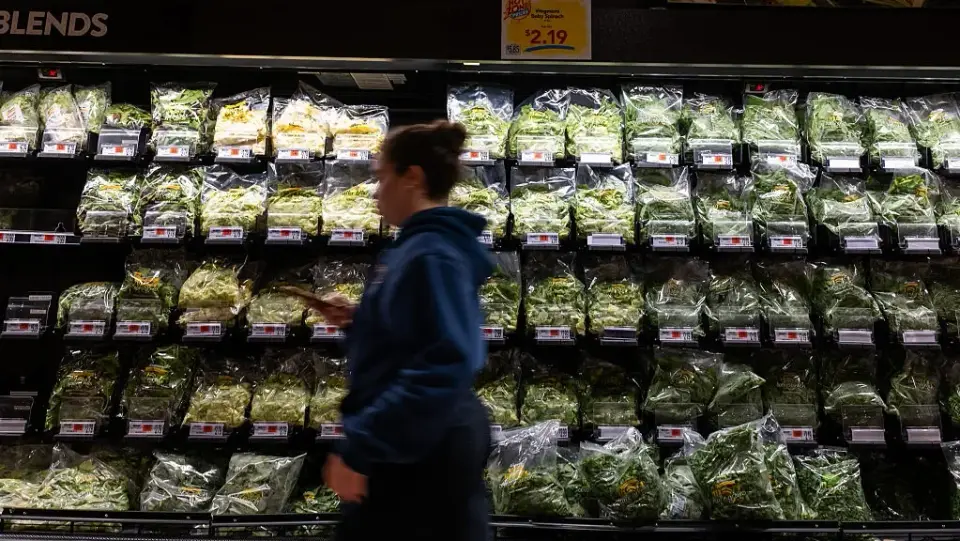
A multistate cyclosporiasis outbreak linked to iceberg lettuce caused over 26 million U.S. households to stop buying salads and greens in July, according to Numerator. While national suppliers like Taylor Farms and Walmart issued recalls, local hydroponic startups like St. Louis-based Vertigreens saw increased demand as consumers sought safer, traceable alternatives. Although fast-food salad traffic dropped by 16%, analysts suggest a rebound is likely as 82% of paused buyers plan to return once the outbreak is contained.
Key points
- Numerator data indicates over 26 million U.S. households ceased purchasing salads and fresh greens in the month ending July 26, with 6.5 million specifically avoiding salad kits.
- The outbreak, caused by the parasite Cyclospora cayetanensis, prompted recalls of Marketside brand lettuce by Walmart and removal of Taylor Farms products by Taco Bell.
- Per-household spending on lettuce and greens dropped by 10.7% in affected states, while fast-food salad trips declined by more than 16%.
- St. Louis startup Vertigreens reported a surge in inquiries from restaurants and grocers seeking local hydroponic lettuce to avoid contamination risks associated with soil-based farming.
- The FDA confirmed that recalled iceberg lettuce is off the market, and Michigan health officials advised residents to resume normal lettuce consumption as cases declined.
Background
This outbreak follows a broader trend of consumer caution regarding fresh produce, highlighted by earlier reports of global children falling short on vegetable intake. In August, Sweetgreen lowered its 2026 financial outlook due to weakened salad demand, while Michigan officials previously lifted warnings as cases dropped from a peak in late June and early July. The current data reflects the lingering economic impact of that summer crisis.
How outlets are covering it
USA TODAY emphasizes the scale of consumer withdrawal and the potential for a market rebound, citing Numerator data that 82% of paused buyers intend to return once the outbreak is contained. In contrast, St. Louis Magazine highlights the structural shift in supply chains, noting that the crisis has benefited local hydroponic growers like Vertigreens, which offers a contamination-free alternative to traditional soil-based lettuce. While USA TODAY focuses on the temporary nature of the sales dip, St. Louis Magazine suggests a lasting preference for localized, controlled-environment agriculture among risk-averse buyers.
Why it matters
The cyclosporiasis outbreak demonstrates how food safety incidents can rapidly reshape consumer behavior and supply chain dynamics. The significant drop in salad sales and fast-food traffic indicates substantial economic impact, while the rise of hydroponic alternatives suggests a potential long-term shift toward controlled-environment agriculture. Understanding these trends is crucial for retailers, food safety officials, and agricultural businesses navigating post-outbreak recovery and changing consumer trust.
What to watch
Analysts expect a rebound in salad and greens purchases as the outbreak is contained, with 82% of paused buyers planning to resume purchases. Local hydroponic growers like Vertigreens aim to expand into institutional markets such as hospitals and schools. The FDA and state health departments will continue monitoring for new cases and ensuring recalled products remain off the market, while consumers are advised to follow safe handling practices for fresh produce.
- Salad, lettuce-linked outbreak is making greens shoppers see red USA Today
- Parasitic outbreak has Coloradans turning to local lettuce growers Rocky Mountain PBS
- Wait—Is Cyclospora Over? Here’s Whether You Can Finally Eat Your Leafy Greens Again Without Worrying Reader's Digest
- Consumer Reports: Don’t skip the salad, but change the way you wash it News4JAX
- Hydroponic grower Vertigreens booms as lettuce becomes a big concern St. Louis Magazine
Want the full story? Read the original reporting
Read on USA Today